Warm floors, fitted properly
Underfloor Heating in Birmingham
Wet systems run from your boiler or heat pump and electric mats under tiles, installed in new extensions and existing rooms, plus repairs and servicing for underfloor heating that has stopped warming up.
- Wet and electric systems installed
- Manifold, pump and actuator repairs
- Room-by-room zoning and thermostats
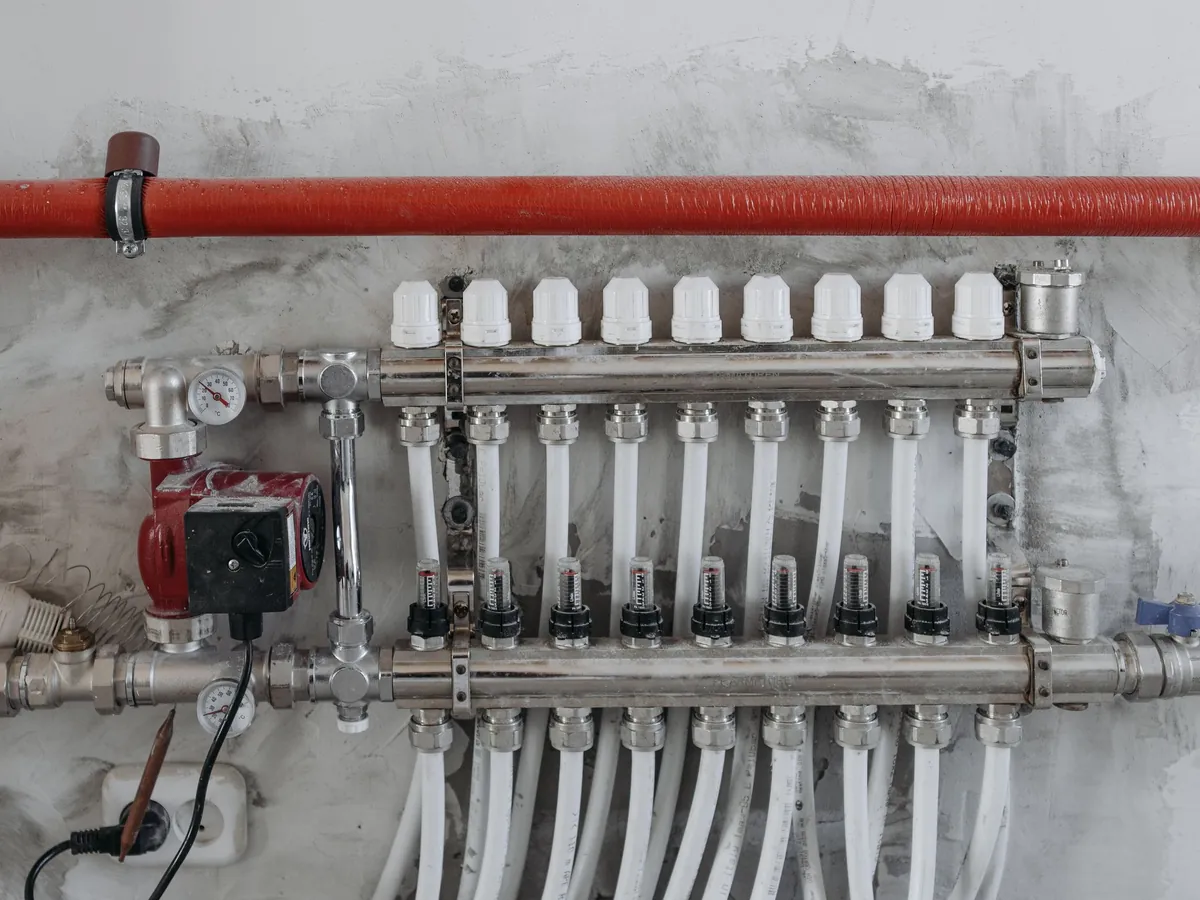
Underfloor heating fitted and fixed in Birmingham
What the work involves
Underfloor heating warms a room from the ground up. Instead of one hot radiator on an outside wall, the whole floor becomes a low-temperature emitter, so the heat is spread evenly and wall space is left clear. It suits kitchen extensions, open-plan ground floors, bathrooms and any room where tiles or stone would otherwise feel cold underfoot.
We fit and repair systems in houses and flats across the city and the towns we cover around Birmingham, from rear extensions on Edgbaston villas to apartment bathrooms near Digbeth. Many jobs tie into wider heating work, so if the rest of your system is being redesigned we can do that as part of a central heating installation, and a sluggish existing system may benefit from a power flush before new pipework is connected.
Underfloor heating installation
How an underfloor heating installation is built depends mostly on the floor you have, or the one you are about to lay.
New floors and extensions
In a new extension or a dug-out ground floor, pipe is clipped over insulation boards and covered with a screed. This gives a solid, even floor with good heat spread. The screed has to cure fully before the heating is turned up gradually, so this route suits a building project rather than a quick refit.
Existing rooms
Where you cannot raise the floor much, low-profile systems are used: grooved overlay boards laid on an existing floor, or pipe fitted between the joists of a suspended timber floor with spreader plates and insulation below. These add little height, which matters when you are matching an existing hallway or fitting under kitchen plinths.
Whichever route, each circuit is pressure tested before it is covered, and the pressure is kept on the pipe while the screed or boards go down so any damage shows immediately.
Underfloor heating repairs
When part of a floor stays cold, the pipe in the floor is rarely the culprit. Most underfloor heating repairs are at the manifold or in the controls, which is good news because nothing needs lifting.
- Sticking actuators: the small electric heads on the manifold that open each loop can fail or seize, leaving one room cold.
- Pump faults: a pump that has stopped or seized means warm water never reaches the loops.
- Blending valve problems: if the mixing valve sticks, the floor runs too cool, or too hot.
- Air in the loops: after work on the system, trapped air blocks circulation until the circuits are purged.
- Thermostat and wiring centre faults: flat batteries, lost pairing or a failed relay.
Physical damage to buried pipe does happen, usually from a nail or drill during later work. A pressure test on each loop tells us whether a circuit is losing water, and thermal imaging helps show where the leak is before any flooring is lifted.
Underfloor heating servicing and maintenance
A wet underfloor system needs little attention, but it still needs some. The water in it is part of your heating circuit, so the same sludge and air that affect radiators affect the floor loops, which run slowly and have narrow pipe.
A service visit covers:
- Checking the flow meters on the manifold and rebalancing loops that are running fast or slow
- Testing each actuator opens and closes on demand from its thermostat
- Checking the pump, blending valve and temperature gauges
- Purging air from the manifold and circuits
- Testing the system water and topping up inhibitor where needed
- Checking the programmer settings match how you use each room
Electric mats need less. We check the thermostat, floor probe readings and insulation resistance of the heating cable, which tells us if a fault is starting to develop.
Wet and electric system options
The two types do the same job in different ways, and the right choice depends on the room size and how it will be used.
Wet systems
Plastic pipe carries warm water from your boiler or heat pump through the floor. Wet systems are usually the better fit for large areas and rooms heated every day, such as a kitchen diner or a whole ground floor, because heat from the main system generally costs less to produce than direct electric heat. They take more work to install and need a manifold and pump.
Electric systems
A thin heating mat or loose cable is laid in tile adhesive or under a floating floor and connected to its own thermostat. Electric systems are quick to install, add almost no floor height and suit small rooms such as an en suite or cloakroom. The electrical connection must be made in line with Part P of the Building Regulations. Running costs depend on how long the floor is on, so they suit small spaces or occasional use.
System design, survey and quote
A good underfloor system is designed before a single clip goes down. On the survey we look at the room and the building around it.
- Heat loss: wall construction, glazing and insulation decide how much heat each room needs.
- Floor construction: solid slab, suspended timber or existing tiles each call for a different build-up.
- Floor finish: tile and stone pass heat well; thick carpet and underlay hold it back.
- Heat source: whether the boiler or heat pump can supply the floor, and where the manifold can go.
- Available height: door thresholds, kitchen units and stairs set how deep the floor can be.
From that we work out pipe spacing, loop lengths and the number of circuits so each loop can be balanced properly. The price follows from the size of the area, the build-up needed and the controls chosen, and you see it before any work is agreed.
Manifold, pipework and controls
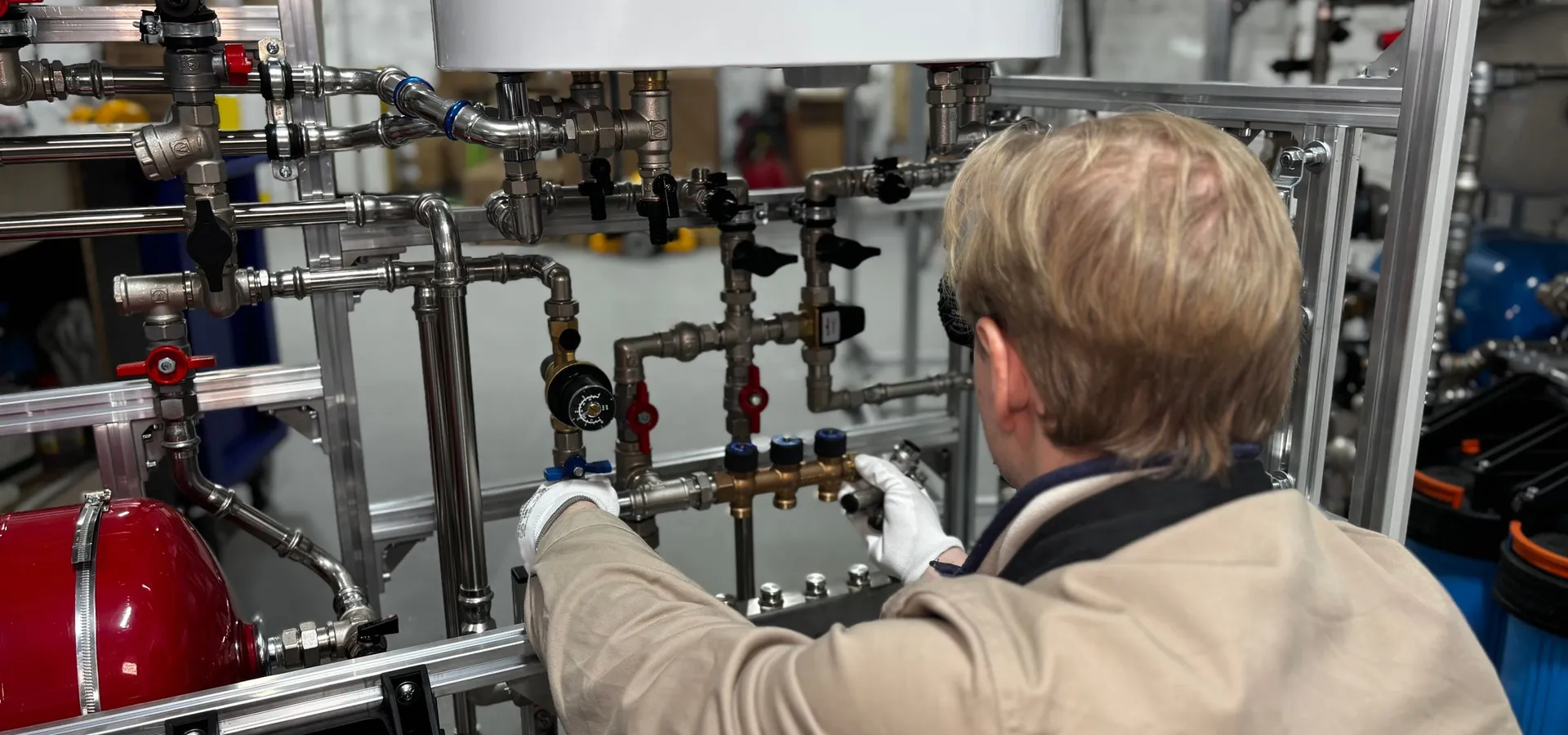
The manifold is the heart of a wet system. It takes water from the heating circuit, mixes it down to floor temperature using a blending valve and pump, then sends it out through separate loops, each with its own flow meter and actuator.
We place the manifold where it can be reached for maintenance, often in a utility cupboard, under stairs or in a box within a stud wall, and as central as possible so loop tails are short. Pipe is laid in a spiral or serpentine pattern with tighter spacing near cold outside walls and large glazing.
Controls are what make the system comfortable:
- A thermostat in each zone, so the kitchen and lounge can run at different temperatures
- A wiring centre linking thermostats, actuators, pump and boiler
- Floor probes to protect timber or engineered floor finishes from overheating
- Programmers set for a slow, steady warm-up rather than short blasts
Efficiency, comfort and running costs
Underfloor heating runs at a much lower water temperature than radiators, because it spreads heat over a large surface instead of a small hot panel. That suits condensing boilers, which work most efficiently with cooler return water, and it suits heat pumps even more.
Comfort is the other half. Warmth rising evenly from the floor means fewer cold spots and less of the hot-at-the-ceiling, cold-at-the-feet feeling radiators can give, so many people are comfortable with the thermostat set a little lower.
What decides running cost in your home:
- How well the floor is insulated underneath, so heat goes up, not down
- The floor finish and its resistance to heat
- How the system is controlled: steady background heat usually works better than switching on and off
- For electric systems, the size of the area and hours of use
A screeded floor warms slowly and cools slowly, so it should be programmed ahead of when you need the heat.
Areas covered and callout support
Our underfloor heating work covers Birmingham and the surrounding towns, including loft conversions and extensions in Harborne and Moseley, new-build estates on the edges of Solihull and Sutton Coldfield, and flats in the Jewellery Quarter where the heating is run by a combi or a communal plate heat exchanger.
If an existing system has stopped heating, tell us what the manifold is doing when you book: whether the pump is running, whether the actuator heads on the manifold look open, and whether the thermostat is calling for heat. Rooms completely without heat in cold weather are prioritised.
We work on systems we did not install, including older installs where the manufacturer has changed or the original paperwork is missing. Where parts are no longer made, most actuators, pumps and blending valves can be replaced with a compatible modern equivalent without changing the manifold.
How it works
From survey to a warm floor
An installation is planned around the floor build-up and the rest of the building work.
- 01
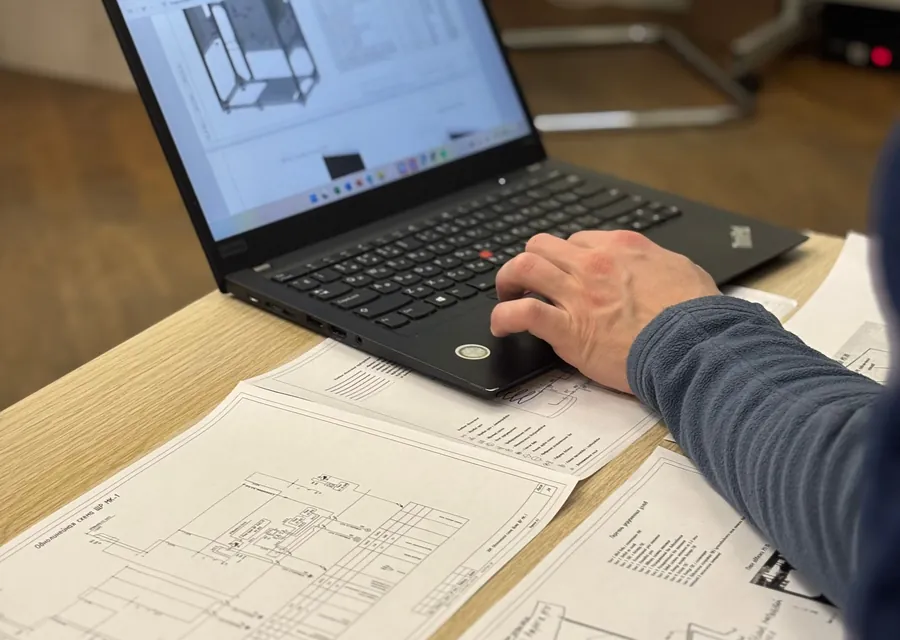
Survey and heat loss
We measure the room, check the floor construction, finish and heat source, and work out how much heat each area needs before choosing a system type.
- 02
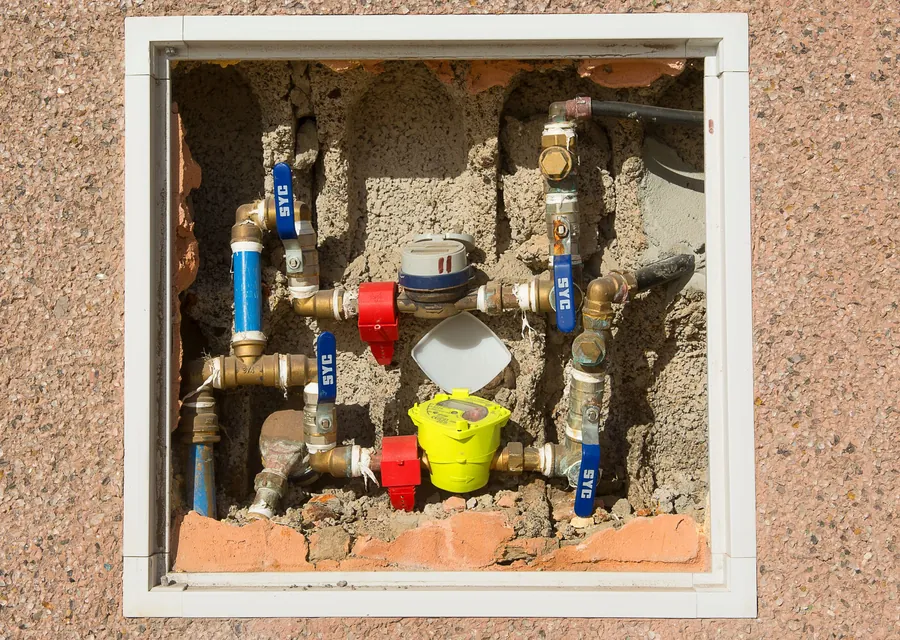
Design the loops
Pipe spacing, loop lengths, manifold position and thermostat zones are drawn up, so the circuits can be balanced and each room controlled on its own.
- 03
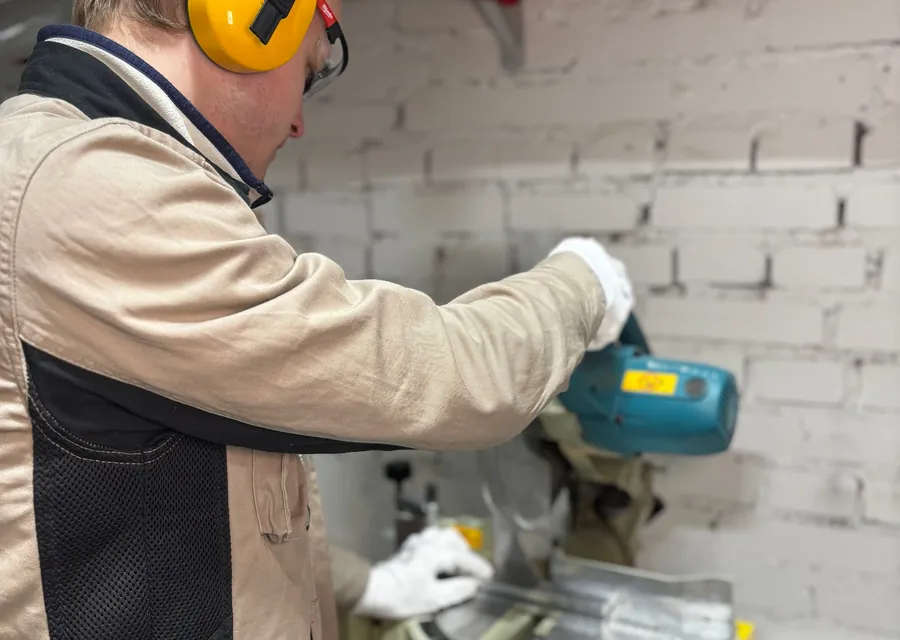
Lay and test
Insulation, pipe or mats go down and each circuit is pressure tested, with pressure held while screed or boards are laid so damage shows at once.
- 04
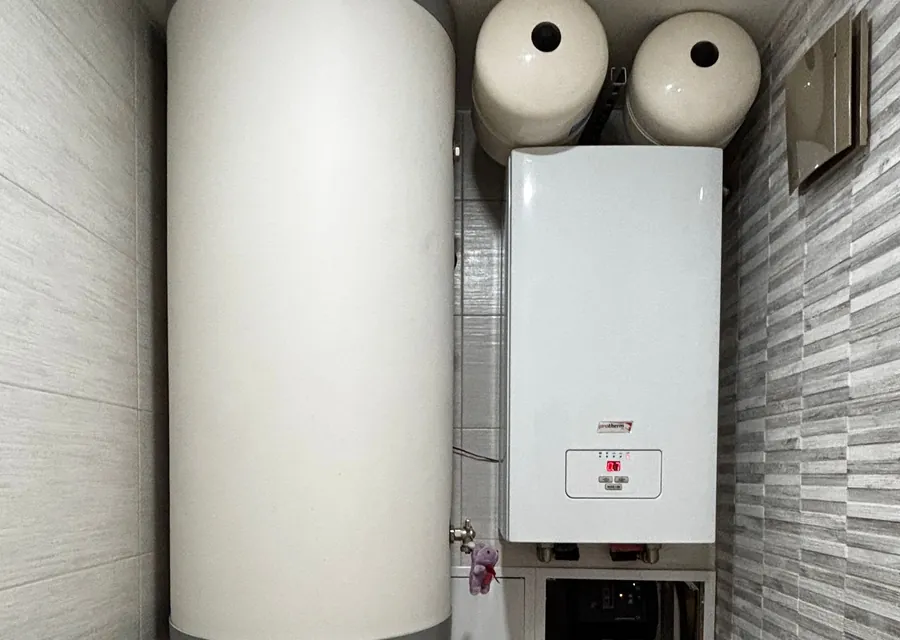
Commission and hand over
We fill, purge and balance the loops, set the blending valve and controls, bring screed up to temperature gradually and show you how to use the thermostats.
Thinking about underfloor heating for your home?
Tell us about the room and the floor, and we will talk you through what would suit it.
Gallery
Underfloor Heating: the kind of work involved
Four photographs from the wider gallery on the home page. Tap any one to open it full size.
Areas covered
Underfloor heating around Birmingham
We install and repair underfloor heating across Birmingham, including Edgbaston, Harborne, Moseley, Kings Heath, Bournville and Sutton Coldfield, and in Solihull, Halesowen, Dudley, Walsall, West Bromwich and Smethwick. New extensions, existing rooms and flats are all covered.
- Aston
- Hockley
- Smethwick
- Washwood Heath
- Acocks Green
- West Bromwich
- Castle Vale
- Oldbury
- Bartley Green
- Shirley
- Halesowen
- Solihull
- Sutton Coldfield
- Chelmsley Wood
- Wednesbury
- Streetly
Related services
Jobs that often go with this one
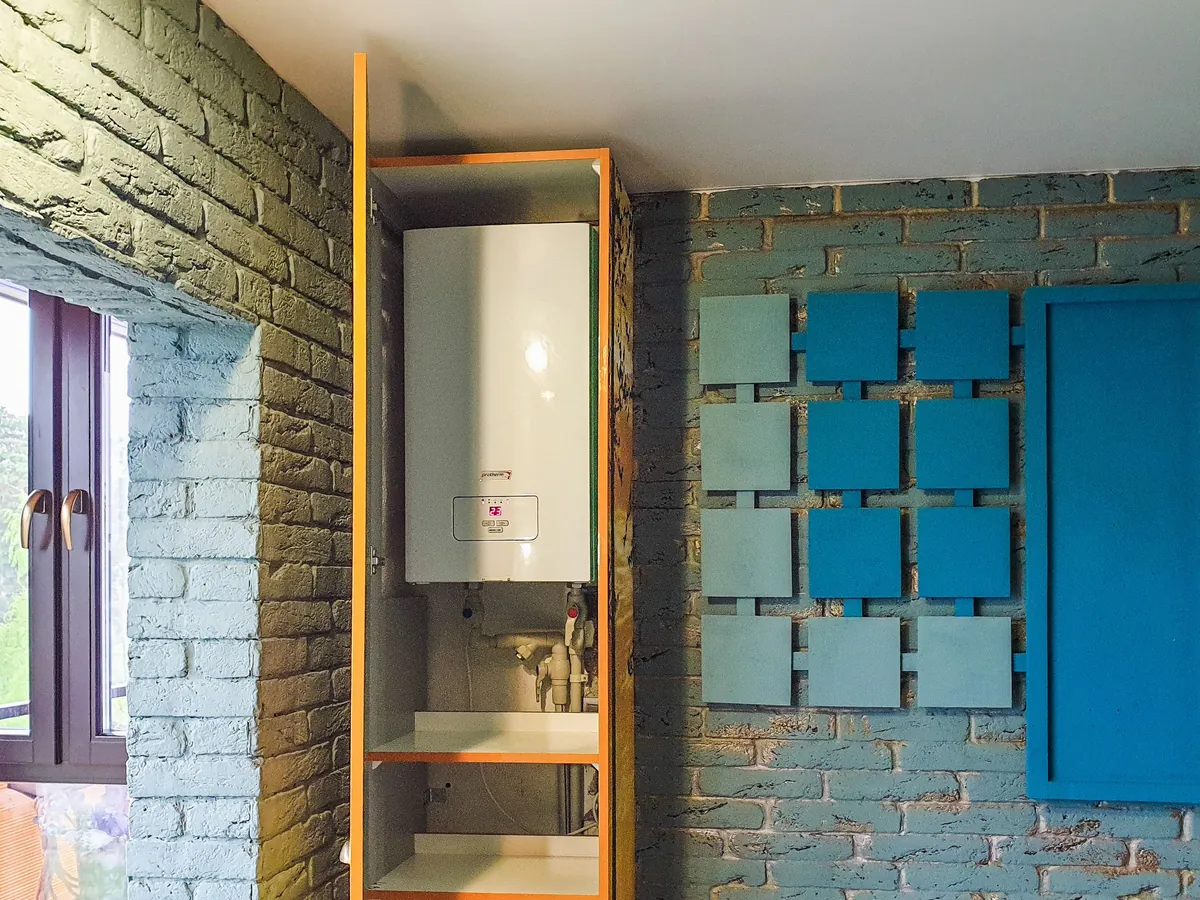
Boiler Installation
Old boilers swapped for new combi, system or regular models, sized to the house and commissioned properly.
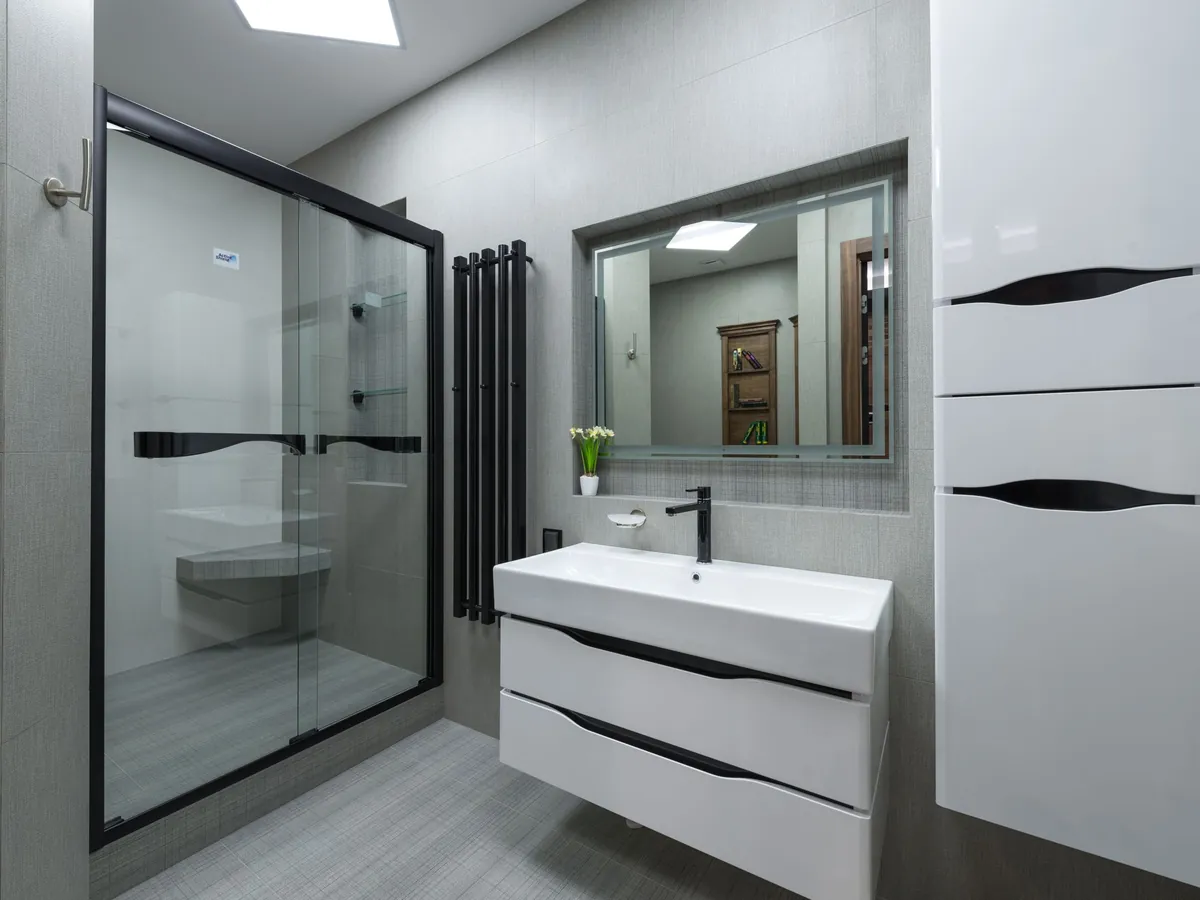
Bathroom Installation
Full bathroom and shower room fits, from first fix pipework and boarding to the last bead of sealant.
Radiator Repair and Replacement
Leaking valves, cold spots and tired radiators sorted, or swapped for new ones sized to the room.
Questions
Underfloor Heating: questions people ask
Can underfloor heating go in with my existing radiators?
Yes. A wet system can run as a separate zone alongside radiators from the same boiler. The manifold blends the hotter radiator water down to a safe floor temperature. We check the boiler has enough output for the extra area and that the controls can call for heat from either zone independently.
Will carpet stop underfloor heating working?
Carpet works, but it slows heat getting into the room. Thin carpet on a low-resistance underlay is fine in most cases. Thick carpet on heavy rubber or felt underlay can hold back too much heat. Tell us the finish you plan at the survey so the pipe spacing and water temperature are designed for it.
One room with underfloor heating is cold. Is the pipe broken?
Usually not. A single cold zone most often points to a failed actuator on that loop, a thermostat that has lost its connection or a wiring centre fault. If the whole floor is cold, look at the pump and blending valve. Buried pipe damage is the least likely cause, and a loop pressure test confirms it.
Can underfloor heating go upstairs on timber floors?
Yes. Pipe can be fitted between joists with aluminium spreader plates and insulation below, or on thin overlay boards on top of the existing boards. Bathrooms upstairs are often done with electric mats under tiles instead, which add very little height.
How long should a new screed be left before heating it?
The screed must cure before heat is applied, and the time depends on the screed type and depth, so follow the screed manufacturer guidance. After that the system is brought up to temperature gradually over several days. Heating it too fast can crack the screed and damage tiles laid on it.
Quick Quote Online
Get a Quick Quote for underfloor heating
Tell us the room, its rough size, the floor type and finish, and whether you want a wet or electric system. For repairs, say what the manifold is doing.
- A written price before any work starts
- Plumbing, heating, drains and bathrooms from one place
- Birmingham and the towns around it