Finding hidden leaks
Water Leak Detection in Birmingham
A damp patch, a boiler that keeps losing pressure or a water meter that never stops turning. We trace hidden leaks in Birmingham homes with as little disturbance as possible, then repair them.
- Heating, mains and waste pipe leaks
- Non invasive methods tried first
- Written notes of what was found
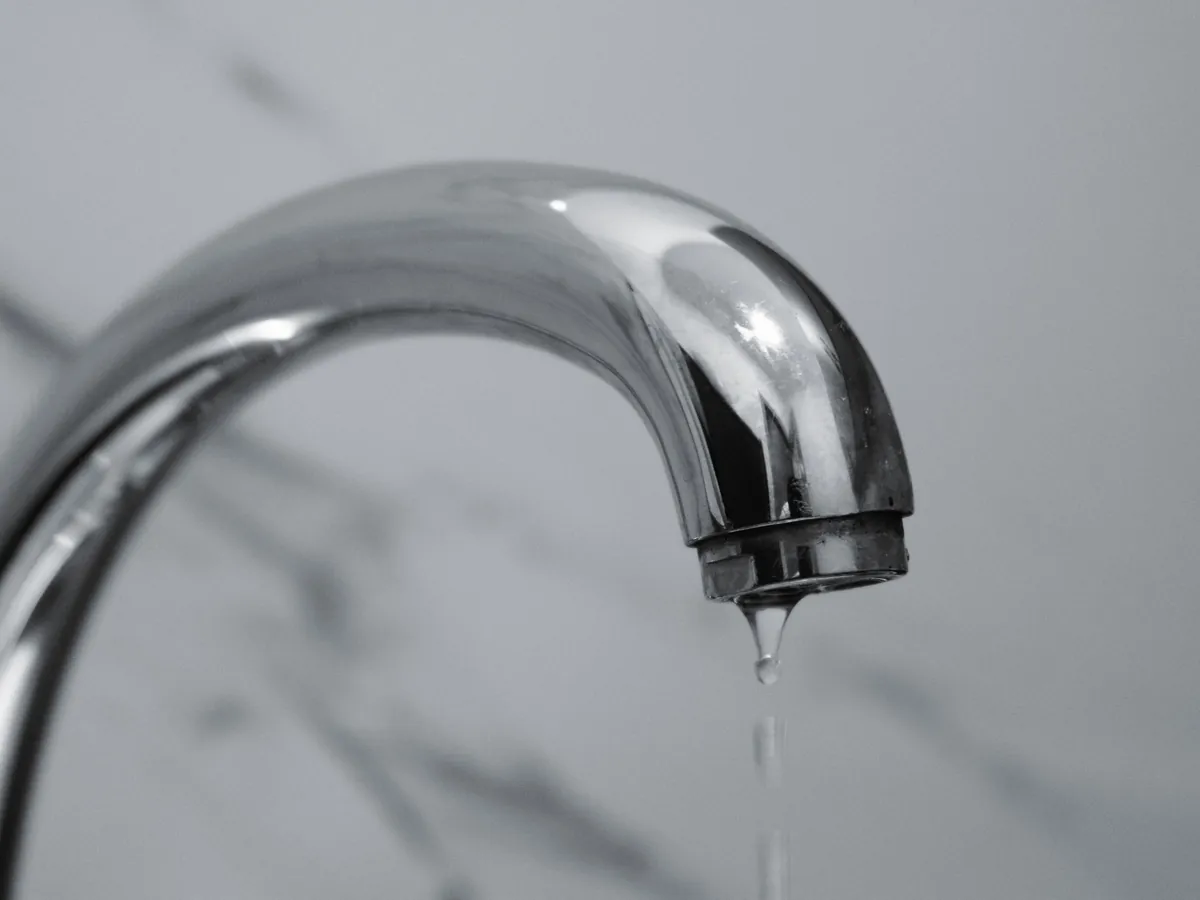
Homeowners on how their hidden leaks were found
What the work involves
The hard part of a hidden leak is rarely the repair. It is working out where the water is actually escaping, because water travels along joists, down the inside of walls and across concrete slabs before it shows itself. A stain on a ceiling can sit well away from the pipe that caused it. Water leak detection is about narrowing that down methodically so the floor or wall is opened in one place, not five.
We carry out leak detection in houses and flats across the city and the areas around Birmingham we serve. If water is actively pouring through a ceiling, the first job is stopping it, and our emergency plumber page covers what to do straight away. Once things are under control, the tracing work can begin properly.
How leak detection works
Good leak detection is a process of elimination. Before any tools come out, we ask questions: when did you first notice it, does it get worse when the heating is on, does it appear after a shower, is the water meter moving with every tap off? The answers usually tell us which system is leaking.
There are three candidates in most homes. The sealed central heating circuit leaks slowly and shows up as falling boiler pressure. The cold mains supply is under constant pressure, so it leaks continuously and shows on the meter. Waste pipes and shower trays only leak when they are in use. Isolating each system in turn and watching what happens often halves the search area within the first visit, and it means any further investigation is aimed at the right pipes.
Signs of a hidden leak
Hidden leaks give themselves away in small ways long before a ceiling comes down. Things worth taking seriously:
- A combi or system boiler that needs topping up with the filling loop more than once in a while.
- The water meter dial moving when nothing in the house is running.
- A warm patch on a solid floor, often over a buried heating pipe.
- Damp, bubbling paint or a tide mark at skirting level, or mould that returns after cleaning.
- A musty smell under the stairs or in a cupboard.
- Hissing or running water sounds late at night when the house is quiet.
Any one of these on its own can have another explanation, such as condensation or penetrating damp from outside. That is why we test rather than guess.
Leak detection methods
No single tool finds every leak. Depending on the job, methods used in leak detection include:
- Pressure testing: isolating sections of pipework and watching for a pressure drop, which confirms whether a particular run is leaking.
- Thermal imaging: useful on heating and hot water pipes, where escaping warm water shows up as a heat pattern through floors and plaster.
- Acoustic listening: picking up the sound of water escaping under pressure through solid floors or along a supply pipe.
- Tracer gas: a safe gas mix introduced into a drained pipe, then detected where it rises through the floor or ground.
- Moisture mapping: taking readings across walls and floors to find where the damp is strongest and which way it is spreading.
We choose the method to suit the pipe, the floor construction and what the earlier checks have shown.
Trace and access investigation
Once the leak is pinned to an area, we have to get to it. The aim is the smallest opening in the most sensible place. On suspended timber floors, common in Victorian and Edwardian houses in Harborne and Moseley, that usually means lifting one or two boards. On solid concrete floors in later houses it may mean cutting a small section of screed over the pipe.
We talk you through the access before it happens: where we plan to open up, roughly how big the opening will be, and what sits underneath, such as tiles, laminate or a fitted unit. If there is a choice, for example going in through the back of a cupboard rather than a tiled wall, we will point it out. Sometimes the right answer is to abandon a buried pipe and run a new one on a better route rather than dig it out.
Leak repairs and reinstatement
Most leak repairs themselves are straightforward once the pipe is exposed: a failed compression joint, a pinhole in old copper, a nail through a heating pipe from a past carpet fitting, or a perished flexible connector.
The repair
We cut out the damaged section and join in new pipe, or replace the fitting. On older lead or iron supply pipes, a patch repair may not be sensible, and we will tell you if a section should be renewed.
Making good
We refix floorboards, fill small openings and leave the area tidy. Finishing work such as retiling, replastering large areas or redecorating is a separate question, and we agree before starting exactly what reinstatement is included so there are no surprises. After the repair we pressure test again to confirm the leak has stopped.
Written findings for insurance claims
If water has damaged your home, your insurer will usually want to know what caused it and where. Many buildings policies include a trace and access element, but the terms vary and it is for you to check your own cover and make the claim.
What we can provide is a written note of what we found. That typically covers:
- Which system was leaking and how it was confirmed.
- The location of the leak and the cause, such as a failed joint or corroded pipe.
- The access that was needed and the repair carried out.
- Any related damage we saw while working.
A clear, factual record like this can help if you make a claim. We do not deal with insurers on your behalf or make any promise about the outcome of a claim.
Urgent leaks and what to do while you wait
Some leaks cannot wait for a planned visit, and urgent jobs are prioritised. While help is on the way, you can limit the damage:
- Turn off the stopcock, often under the kitchen sink or where the main enters the house. In older terraces it may be under the stairs or in the front cellar.
- If the leak is on the heating, switch the boiler off so it does not keep refilling or firing.
- Switch off electrics at the consumer unit if water is near light fittings or sockets.
- Open taps to drain down the cold system once the stopcock is off.
In flats, particularly in tower blocks around Nechells and Newtown where supply risers serve several floors, a leak may be coming from above you. Let the building manager or neighbours know as well.
Common leak sources
After a lot of hidden leaks, patterns appear. The usual culprits in Birmingham homes are:
- Heating pipes in solid floors: copper laid directly in screed without sleeving can corrode over time.
- Shower trays and enclosures: failed silicone or grout lets water run behind the tray, only when the shower is used.
- Toilet and basin connections: push fit and flexible hoses behind boxing that nobody sees.
- Radiator valves and tails: slow weeps that stain the carpet and drop boiler pressure.
- Old supply pipes: lead and galvanised iron in Victorian properties, where joints and bends deteriorate.
Knowing the likely sources helps us decide where to start testing, but every house is checked on its own evidence.
How it works
How we trace a leak
Each visit follows the same logic, whatever the house.
- 01
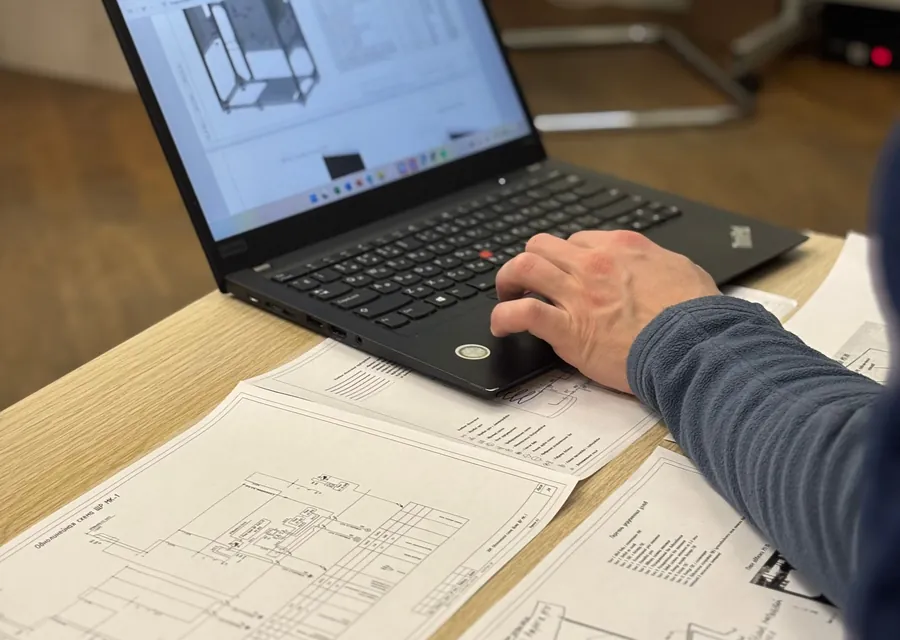
Questions and history
We ask when the leak appeared, what makes it worse, and whether the boiler pressure or meter has changed. This points us towards heating, mains or waste before we start testing.
- 02
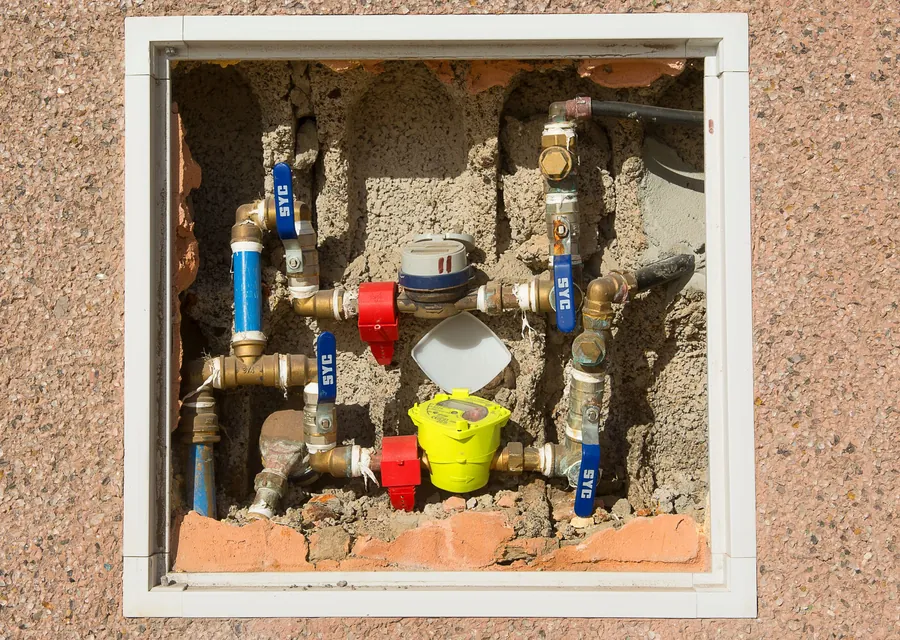
Isolate and test
Each system is isolated and tested in turn. Depending on the job, we use pressure tests, moisture readings, thermal imaging, acoustic listening or tracer gas to narrow down the location.
- 03
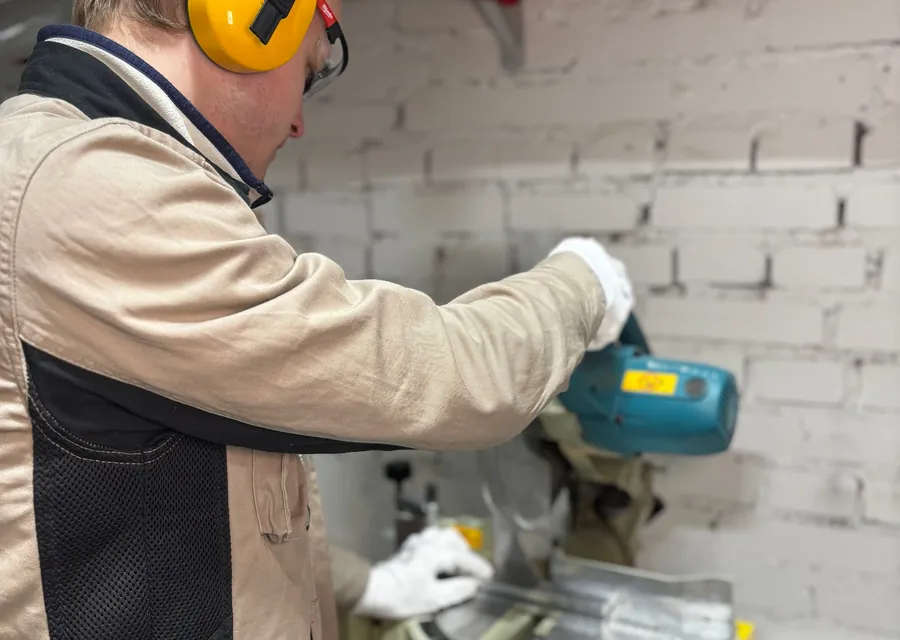
Agree the access
We show you where the leak is likely to be, explain where we would open up and what making good is included, and agree the repair before any boards or screed are touched.
- 04
Repair and confirm
We repair the pipe or fitting, retest to confirm the leak has stopped, make good as agreed and give you written notes of what we found and fixed.
Think you might have a hidden leak?
Describe the signs you have noticed and we will explain how we would go about finding it.
Gallery
Leak Detection: the kind of work involved
Four photographs from the wider gallery on the home page. Tap any one to open it full size.
Areas covered
Leak detection around Birmingham
We trace leaks across Birmingham, from Victorian terraces in Harborne and Moseley to 1960s blocks in Nechells and modern apartments in the city centre and Jewellery Quarter. We also cover Solihull, Sutton Coldfield, West Bromwich, Smethwick, Walsall and other towns within reach of the city.
- Aston
- Hockley
- Smethwick
- Washwood Heath
- Acocks Green
- West Bromwich
- Castle Vale
- Oldbury
- Bartley Green
- Shirley
- Halesowen
- Solihull
- Sutton Coldfield
- Chelmsley Wood
- Wednesbury
- Streetly
Related services
Jobs that often go with this one
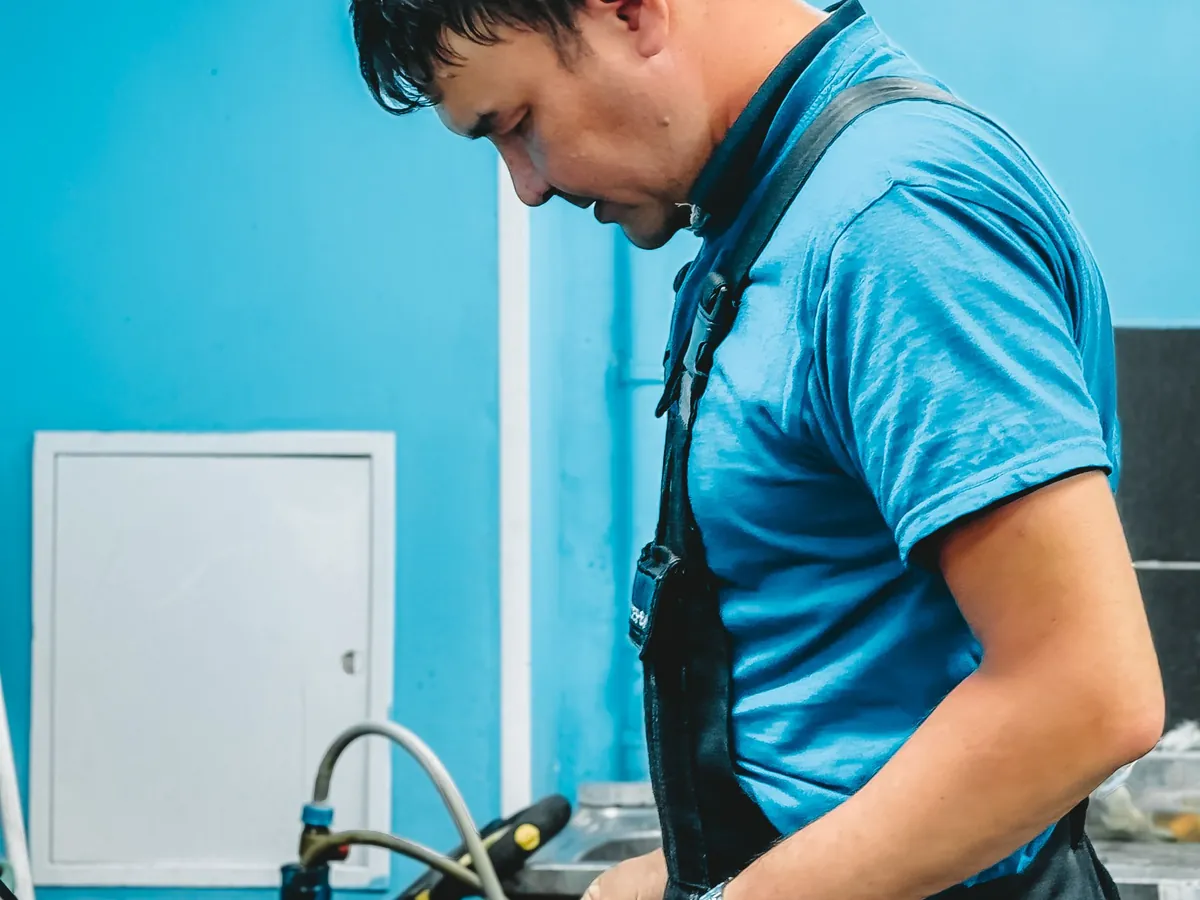
Plumber
Taps, toilets, showers, stopcocks, pipework and the everyday jobs that stop a house working properly.
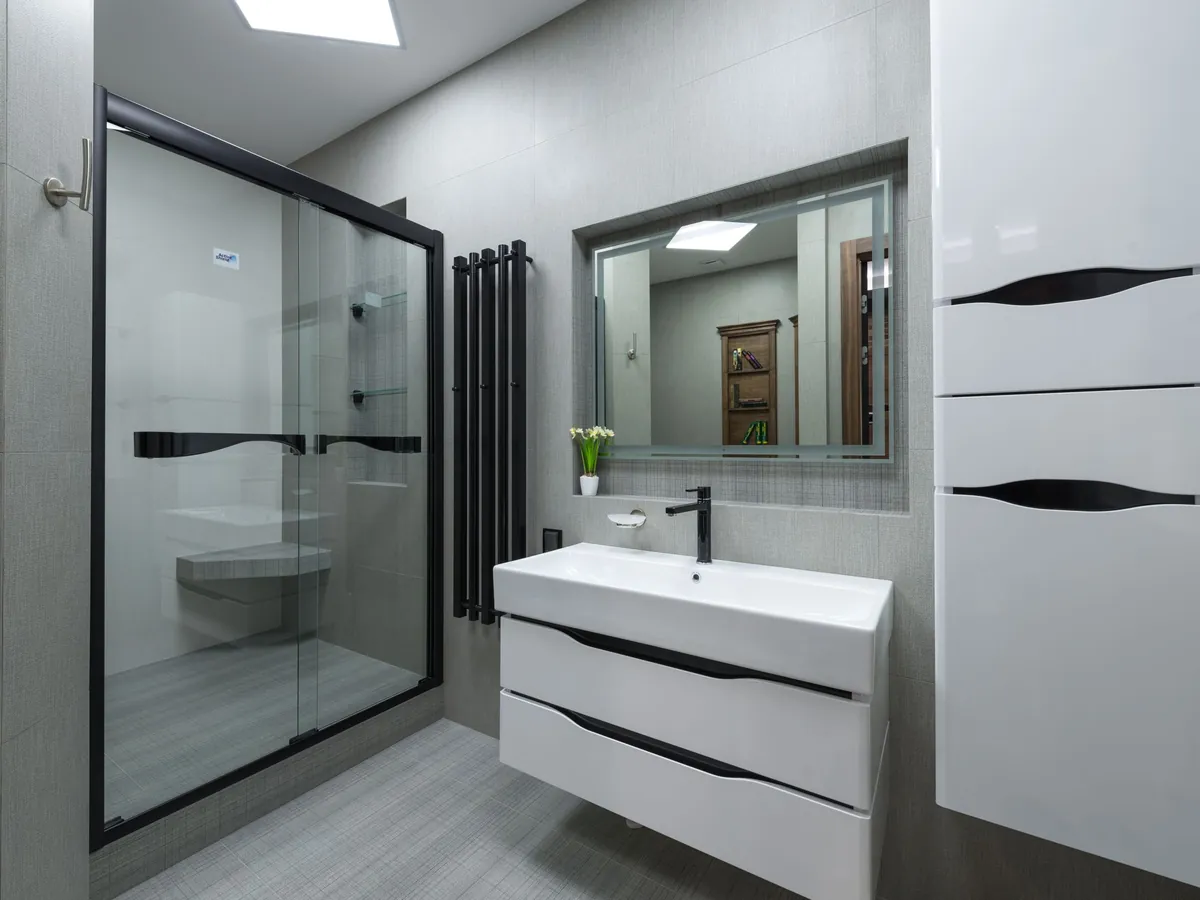
Bathroom Installation
Full bathroom and shower room fits, from first fix pipework and boarding to the last bead of sealant.
Boiler Repair
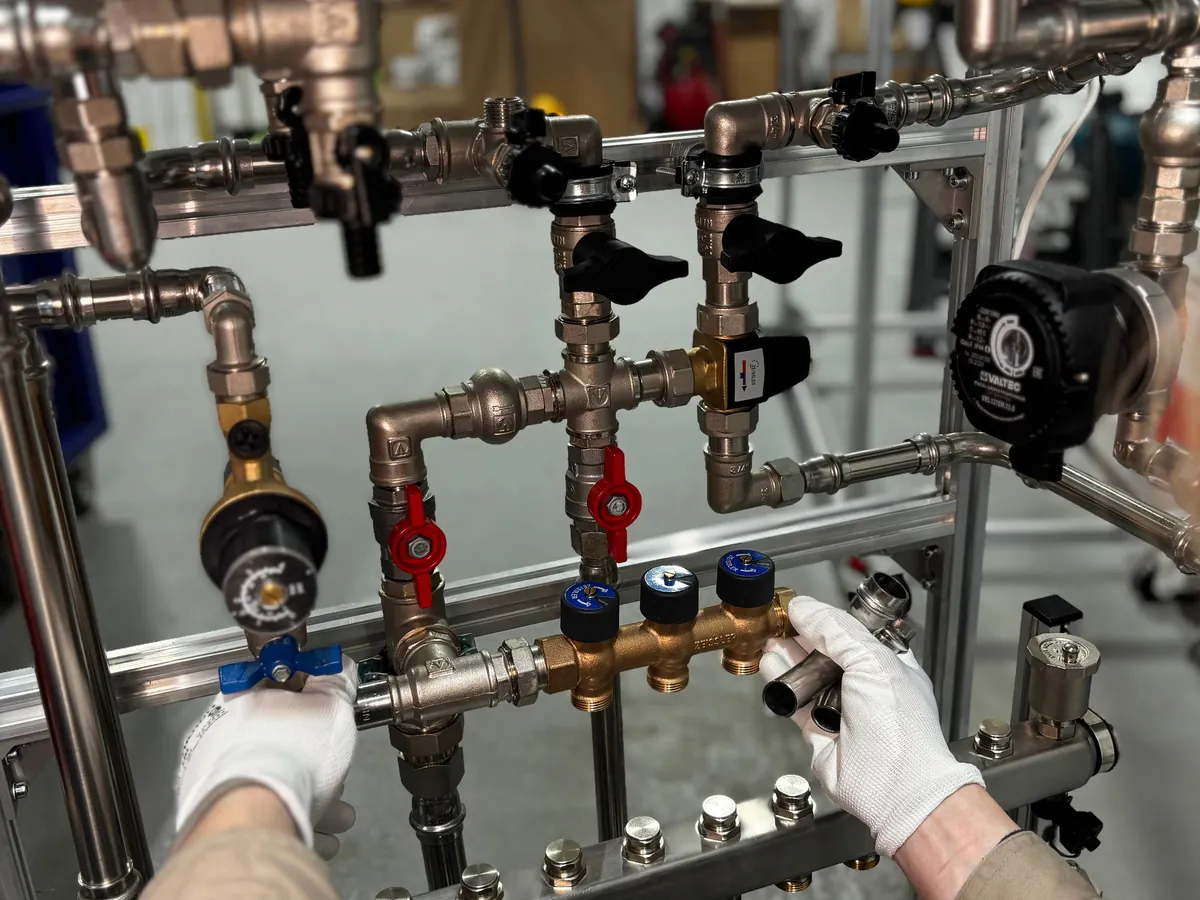
Fault codes, lost pressure, no heating or no hot water: diagnosed at the boiler and put right with the correct part.
Questions
Leak Detection: questions people ask
My boiler keeps losing pressure. Is that definitely a leak?
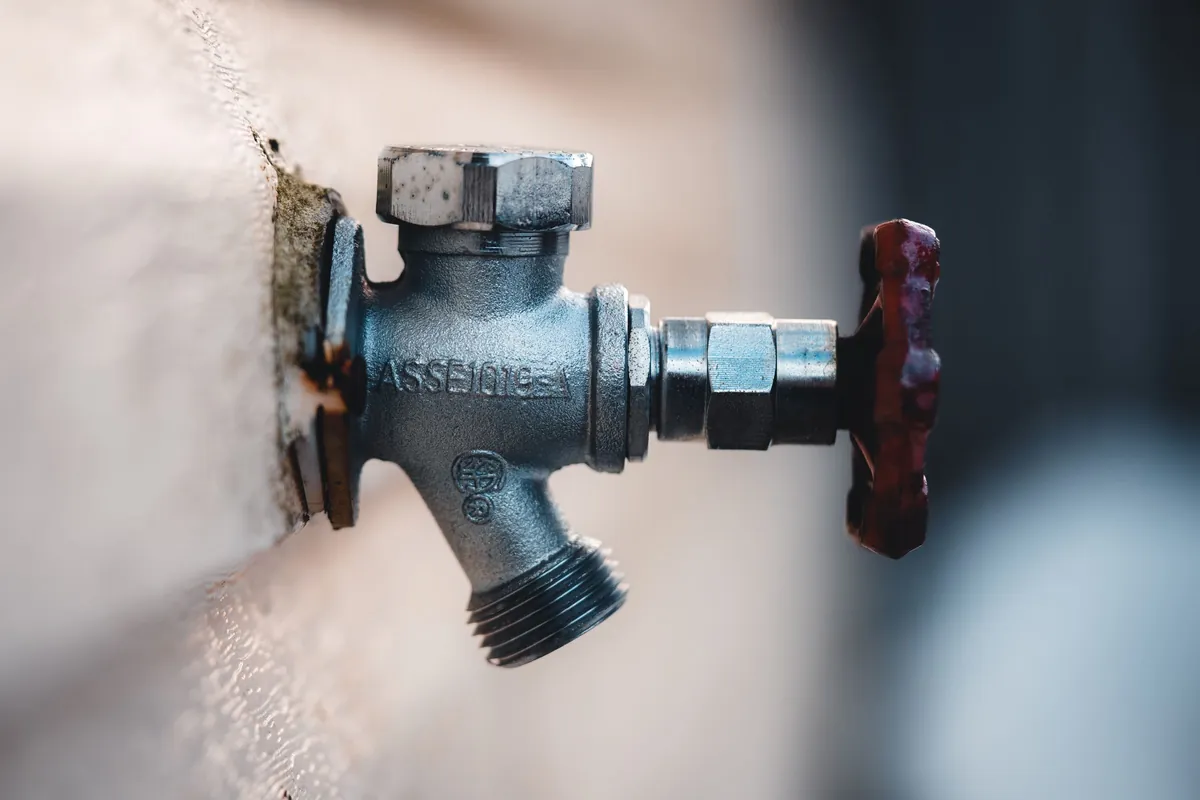
Not always. A faulty pressure relief valve can discharge water outside through a small copper pipe, and a flat expansion vessel can make pressure swing up and down. But if those check out, a slow leak on the heating circuit is the likely cause, often at a radiator valve or on a pipe under the floor. We rule out the boiler causes first.
How can I check for a leak on my mains supply myself?
Make sure nothing is using water: no washing machine, dishwasher, toilet filling or outside tap. Then look at your water meter and note the reading or watch the small dial. If it moves over half an hour with everything off, water is escaping somewhere between the meter and your taps, possibly underground or under a floor.
Will you have to take up my whole floor?
The point of leak detection is to avoid that. Once the leak is located, we usually need to open only a small area, such as lifting a couple of floorboards or cutting a small section of screed. In some cases rerouting the pipe is less disruptive than digging out the old one, and we will discuss that with you first.
Is the leak under my house or in the garden my responsibility?
Generally, the supply pipe from your property boundary to the house is the owner's responsibility, while the pipe up to the boundary belongs to the water company. Shared supplies in older terraces can complicate this. We can confirm where the leak is, which helps you establish who is responsible for repairing it.
Can a leak come from the flat above?
Yes, and in flats it is common. Water from a shower tray or waste pipe upstairs can travel along floor voids and appear in your ceiling some distance away. If testing shows your own pipework is sound, the source is likely above or beside you, and we can explain what we found so you can raise it with the neighbour or building manager.
Quick Quote Online
Ask us to trace a hidden leak
Tell us where the damp or water is showing, whether the boiler pressure is dropping, and if your water meter moves with everything turned off.
- A written price before any work starts
- Plumbing, heating, drains and bathrooms from one place
- Birmingham and the towns around it