Sludge out, heat back
Power Flushing in Birmingham
Cold patches at the bottom of radiators, black water when you bleed them, a boiler that bangs and kettles. A power flush clears the sludge behind all of it, one radiator at a time.
- Each radiator flushed individually
- Water clarity checked before refilling
- Inhibitor added and filter advice given
How customers found their heating after a flush
What the work involves
Every wet heating system corrodes a little from the inside. Steel radiators give off iron oxide, which settles as black sludge (magnetite) in the lowest points of the system: the bottom of radiators, the pump, and the narrow passages of the boiler heat exchanger. Left alone it blocks flow, cools radiators and shortens the life of parts. Power flushing pushes a high volume of water and cleaning chemical through the system to break up and carry that sludge out.
We carry out power flushing across the city and the places around Birmingham we cover. A flush is often worth doing before a new boiler goes onto an old system, and it can sometimes save a radiator replacement when the only real problem is sludge. It is not a cure for everything, and we will say so when it is not the right fix.
What is power flushing
A powerflush uses a dedicated pump unit connected into the heating circuit, usually in place of the circulating pump or across a radiator's tails. It drives water round the system at a much higher flow than the heating pump can manage, while a cleaning chemical loosens deposits stuck to the inside of radiators and pipes.
The key difference from simply draining and refilling is control. The flow can be reversed to dislodge debris from both directions, and radiators are isolated one by one so the full flow goes through each in turn. Dirty water is dumped to drain while clean mains water replaces it, until what comes out runs clear. A central heating flush done this way reaches parts of the system that a drain down leaves untouched, particularly radiators far from the boiler.
Signs your heating needs a power flush
Sludge builds up slowly, so the symptoms creep in over a few winters. Typical signs:
- Radiators warm at the top but cold across the bottom, even after bleeding.
- Black or brown water coming out of the bleed valve.
- Some radiators much slower to heat than others, despite balancing.
- Kettling from the boiler: a rumbling or banging noise as water boils in a restricted heat exchanger.
- A pump that is noisy or keeps seizing.
- Frequent need to bleed radiators, which points to corrosion producing gas.
Cold tops, by contrast, usually mean air, not sludge. A single cold radiator often has a stuck TRV pin or a closed lockshield valve. We check these simpler causes first, so you are not paying for a flush that will not fix the problem.
How the power flushing process works
A power flush on a typical house takes most of a working day, longer on bigger systems. The main stages:
Preparation and connection
We protect floors around the boiler and radiators, check the condition of valves and radiators for weak points, and connect the flushing unit. On open vented systems the feed and expansion tank is isolated or the vent capped to keep the circuit closed.
Chemical clean and flushing
Cleaning chemical is circulated through the whole system, with flow reversals to loosen deposits. Radiators are then isolated in turn and flushed individually, sometimes with gentle agitation of the panel to help shift settled sludge.
Clearing and refilling
Fresh water is run through until it comes out clear, which we check by eye and with a water test. The system is refilled, dosed with inhibitor, bled, repressurised if sealed, and balanced.
Benefits for radiators and boilers
A clean system simply works the way it was meant to. After a successful flush you can typically expect:
- Radiators heating evenly across their whole surface.
- Rooms reaching temperature more quickly, so the boiler runs for shorter periods.
- Less strain on the pump and fewer seized pumps and valves.
- A quieter boiler, with kettling reduced or gone.
- Better protection for a new boiler, whose heat exchanger passages are narrow and easily blocked.
Boiler manufacturers generally expect the system to be cleaned when a new boiler is fitted, and a dirty system can affect their product terms. A flush also gives an honest picture of the system: if a radiator is too far gone, or the boiler still has problems once the water is clean, those are then easy to see. If a boiler fault remains, boiler repairs can be looked at separately.
What decides the price of a power flush
The price of a power flush is worked out from the system in front of us, not a flat rate. The main factors:
- Number of radiators: each one is flushed individually, so more radiators means more time.
- How badly sludged the system is: heavily blocked systems need longer chemical treatment and more flushing cycles.
- System type: sealed and open vented systems are connected differently, and microbore pipework needs more care.
- Extra parts: seized valves that need replacing, or a magnetic filter if one is not already fitted.
- Access: a boiler in a loft or a tight cupboard takes longer to connect to.
We look at the system before booking the work in, and you get the price before we start. If we find something on the day that changes the job, such as a radiator that starts leaking under flush, we stop and discuss it first.
Areas covered around Birmingham
We carry out power flushing throughout Birmingham and the surrounding towns. Some areas turn up the same problems repeatedly.
- Selly Oak student lets: heating that runs long hours with little attention between tenancies. Landlords often book a flush alongside other work between lets.
- Moseley and Kings Heath: large older houses where heating has been extended in stages over the years, mixing old and new radiators.
- Post-war estates: microbore pipework, which blocks with sludge more easily than standard pipe.
- Black Country towns: harder water in some areas, adding scale to the mix in open vented systems.
Wherever the house is, we check the system before recommending a flush, since some problems are better solved another way.
What a proper flush should include
Not every flush is done to the same standard, and it is worth knowing what a thorough job involves so you can judge what you are being offered.
- A check of the system beforehand, including cold spots, water condition and any weak radiators or valves.
- Each radiator isolated and flushed on its own, not just the system circulated as a whole.
- Clear water at the end, confirmed by testing, not just by the flushing time.
- Inhibitor added at the correct dose for the system volume.
- Radiators bled and balanced afterwards.
- Advice on a magnetic filter, which keeps the system cleaner in future.
We will also tell you plainly if a flush is not suitable. Very old systems with thin walled radiators or corroded pipework can start to leak once the sludge that was sealing weak spots is removed. In that case we explain the risk before deciding together.
How it works
What happens on flushing day
A power flush follows a set order so nothing is missed.
- 01
Check the system
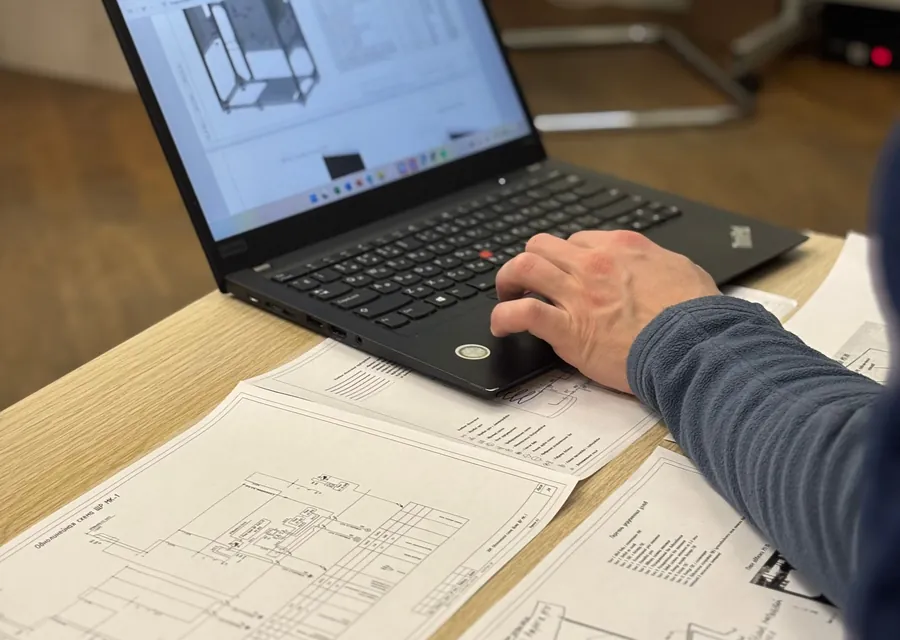
We look at the radiators, valves, pump and water condition, and rule out simpler causes such as air or stuck valves before confirming a flush is the right answer.
- 02
Connect and clean
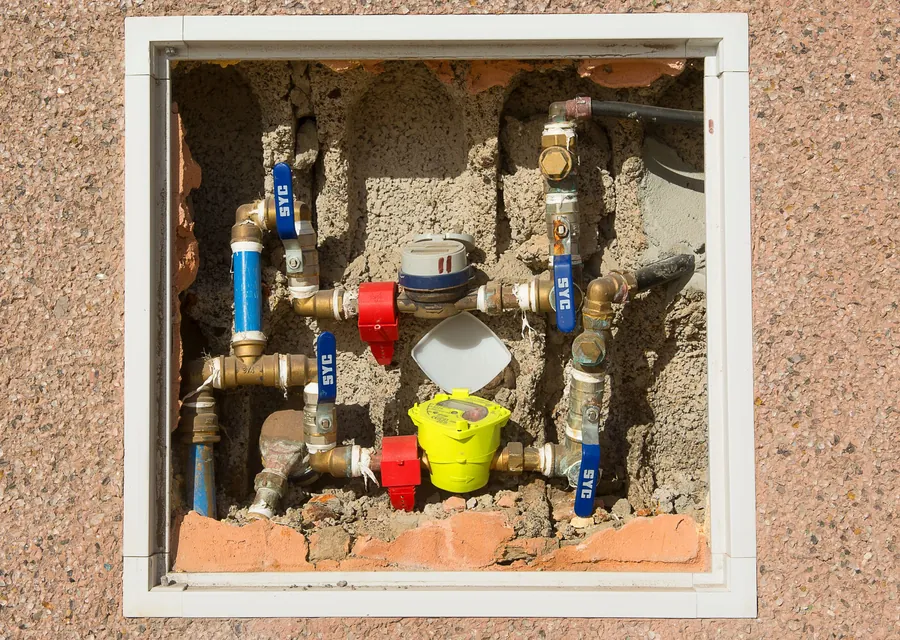
The flushing unit is connected, cleaning chemical is added and circulated with flow reversals to loosen sludge right through the pipework and radiators.
- 03
Flush each radiator
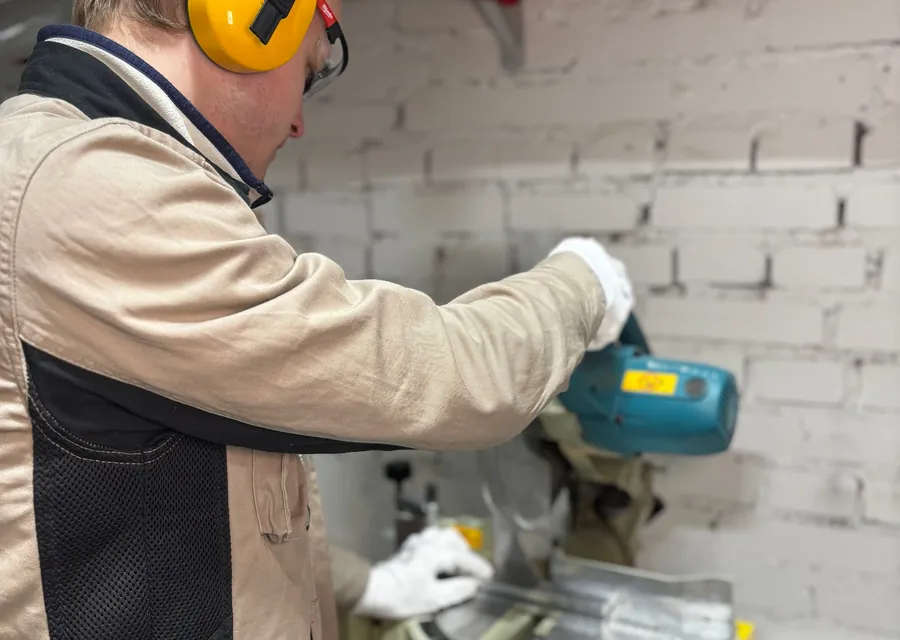
Radiators are isolated and flushed in turn with fresh water until the discharge runs clear, with water tests to confirm the system is clean.
- 04
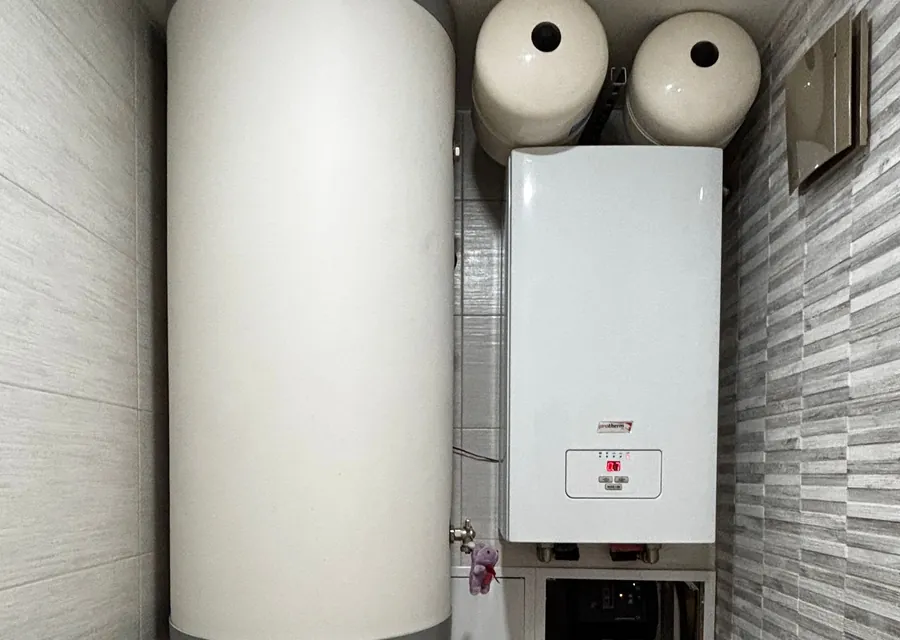
Refill and protect
The system is refilled, dosed with inhibitor, bled, repressurised and balanced. We check the boiler runs properly and every radiator is heating evenly.
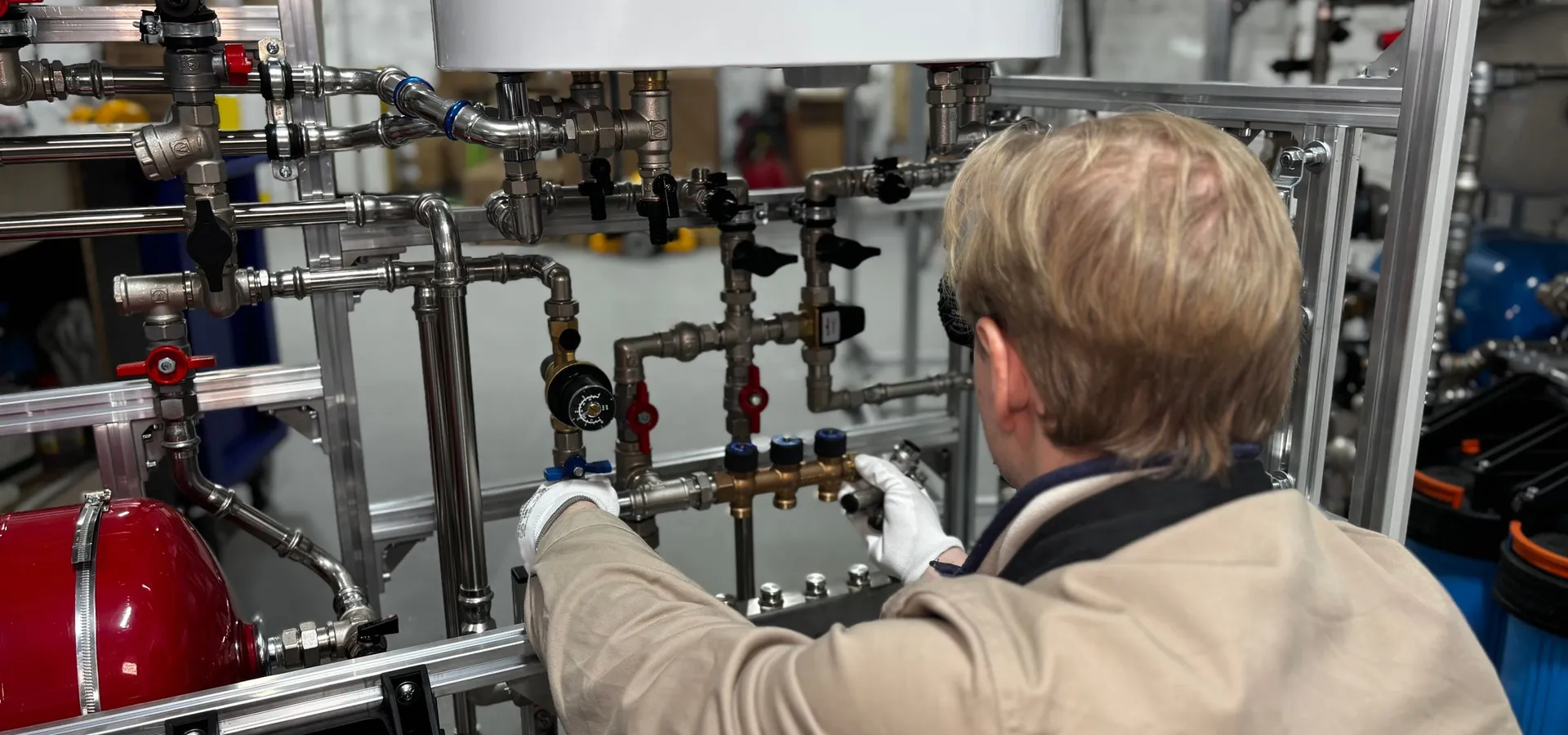
Radiators cold at the bottom?
Describe what your heating is doing and we will tell you whether a flush is likely to help.
Gallery
Power Flushing: the kind of work involved
Four photographs from the wider gallery on the home page. Tap any one to open it full size.
Areas covered
Power flushing across Birmingham
We flush heating systems in homes and rented properties across Birmingham, including Selly Oak, Moseley, Kings Heath, Northfield and Erdington, and in nearby towns such as Solihull, Halesowen, Dudley, Smethwick and West Bromwich. Landlords with several properties can book flushes to fit around tenancy changes.
- Aston
- Hockley
- Smethwick
- Washwood Heath
- Acocks Green
- West Bromwich
- Castle Vale
- Oldbury
- Bartley Green
- Shirley
- Halesowen
- Solihull
- Sutton Coldfield
- Chelmsley Wood
- Wednesbury
- Streetly
Related services
Jobs that often go with this one
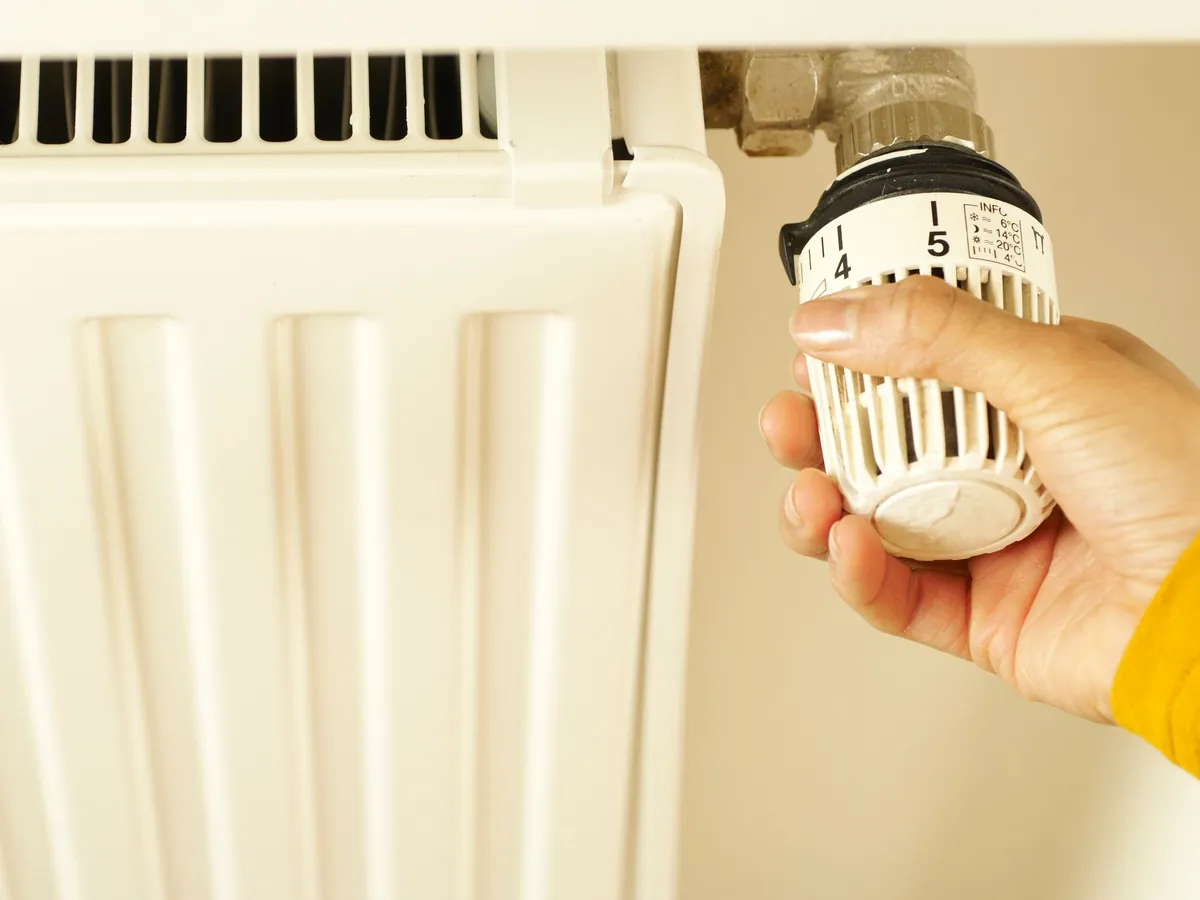
Central Heating Installation
New and extended heating systems: pipe runs, radiators, controls and zoning planned around how the house is used.
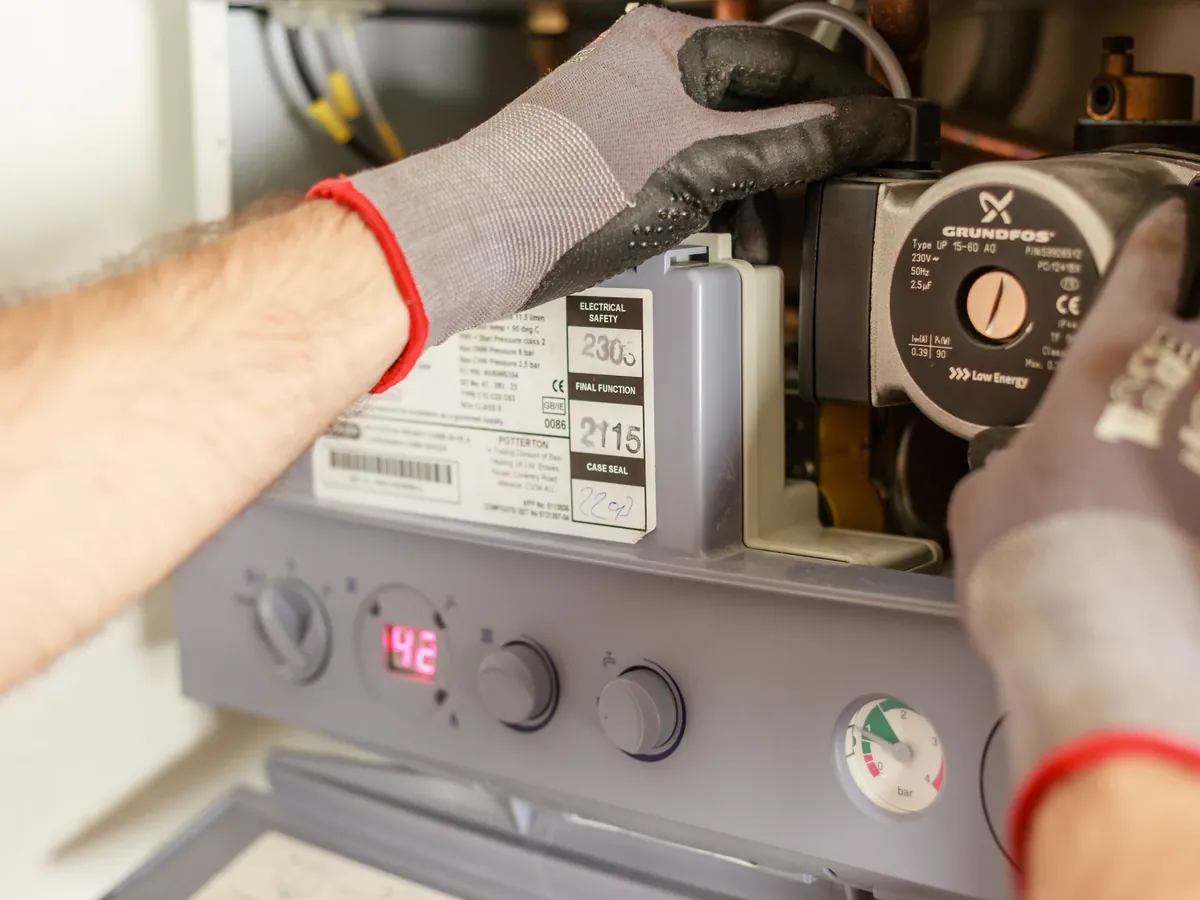
Boiler Service
The yearly strip-down, clean and combustion check that keeps a boiler safe and catches faults early.
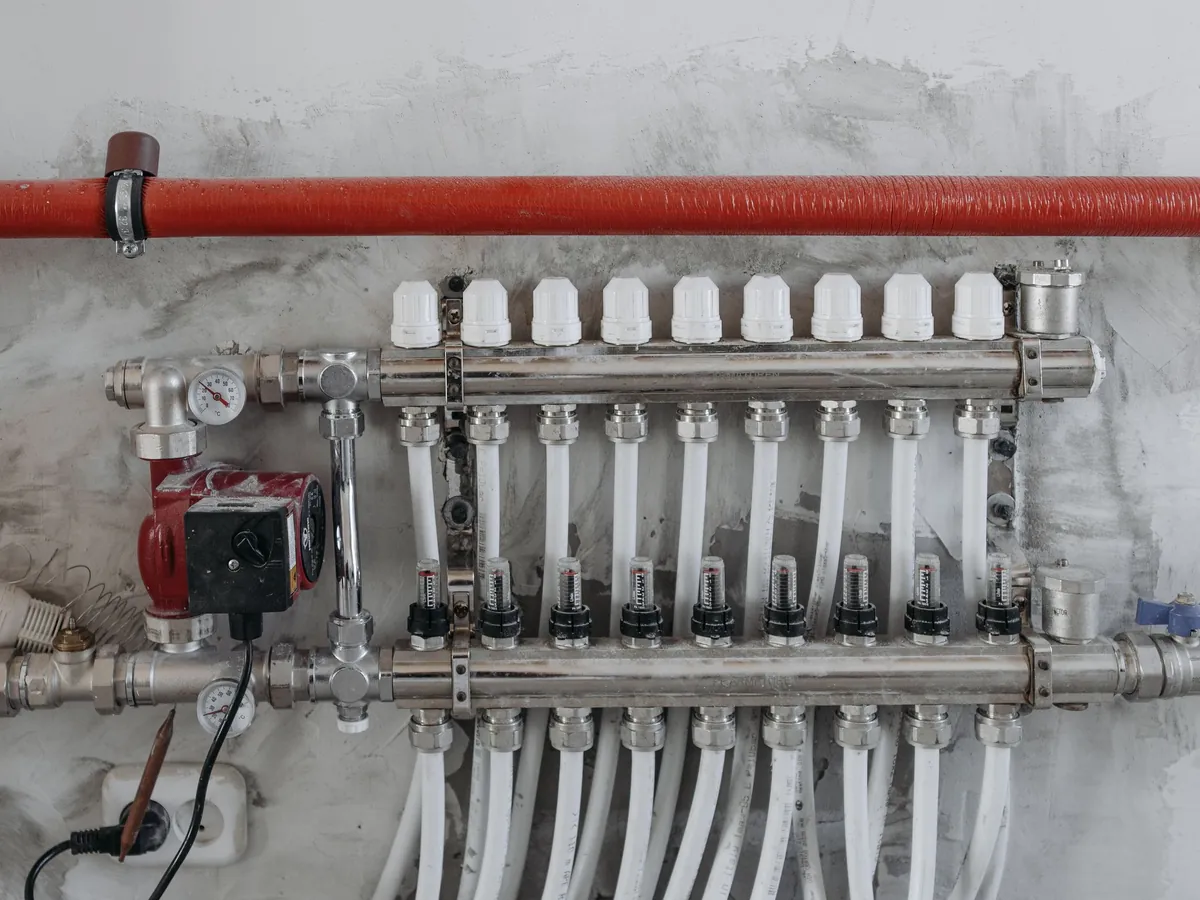
Underfloor Heating
Wet and electric underfloor systems laid, connected to the manifold, and repaired when a zone stays cold.
Questions
Power Flushing: questions people ask
Is a power flush the same as a chemical flush?
Not quite. A chemical flush adds cleaner to the system and uses the heating's own pump to circulate it, then drains down. A power flush uses a separate high flow pump, reverses the flow and flushes each radiator individually. The power flush clears far more debris, while a chemical flush may be enough on a system that is only mildly dirty.
Can a power flush damage my heating system?
On a system in reasonable condition, no. On very old systems, sludge can be the only thing sealing a pinhole in a corroded radiator or a weak joint, and removing it may reveal a leak. That is a problem that already existed rather than one the flush caused, but we check for weak points first and explain the risk before starting.
Do I need a flush before a new boiler is fitted?
The system should be cleaned before a new boiler goes on, and manufacturers generally expect it. Whether that means a full power flush or a lighter clean depends on how dirty the water is. Putting a new boiler on a sludged system risks blocking its heat exchanger early.
How long will my heating be off?
For most houses the heating and hot water from the boiler are off for the working day while the flush is carried out. Bigger systems or heavily blocked ones can take longer. We will give you an idea when we look at the system, so you can plan around it.
How do I stop sludge building up again?
Keep the inhibitor topped up, as it slows corrosion inside radiators. Fit a magnetic filter if you do not already have one, and have it emptied at the boiler service. On sealed systems, avoid frequent topping up with fresh water, since each refill brings in fresh oxygen that restarts corrosion.
Quick Quote Online
Ask for a power flush quote
Tell us how many radiators you have, what the symptoms are, and whether the system has a loft tank or a pressure gauge on the boiler.
- A written price before any work starts
- Plumbing, heating, drains and bathrooms from one place
- Birmingham and the towns around it