Stored hot water
Hot Water Cylinder Installation and Repair in Birmingham
Vented and unvented hot water cylinders fitted, repaired and serviced across Birmingham. We find out why the hot water has gone lukewarm, why the tundish is dripping, or whether the old copper tank has simply reached the end.
- Vented and unvented cylinders both covered
- Immersion, thermostat and zone valve faults
- Relief valves and expansion vessels checked
What Birmingham households say about their hot water work
What the work involves
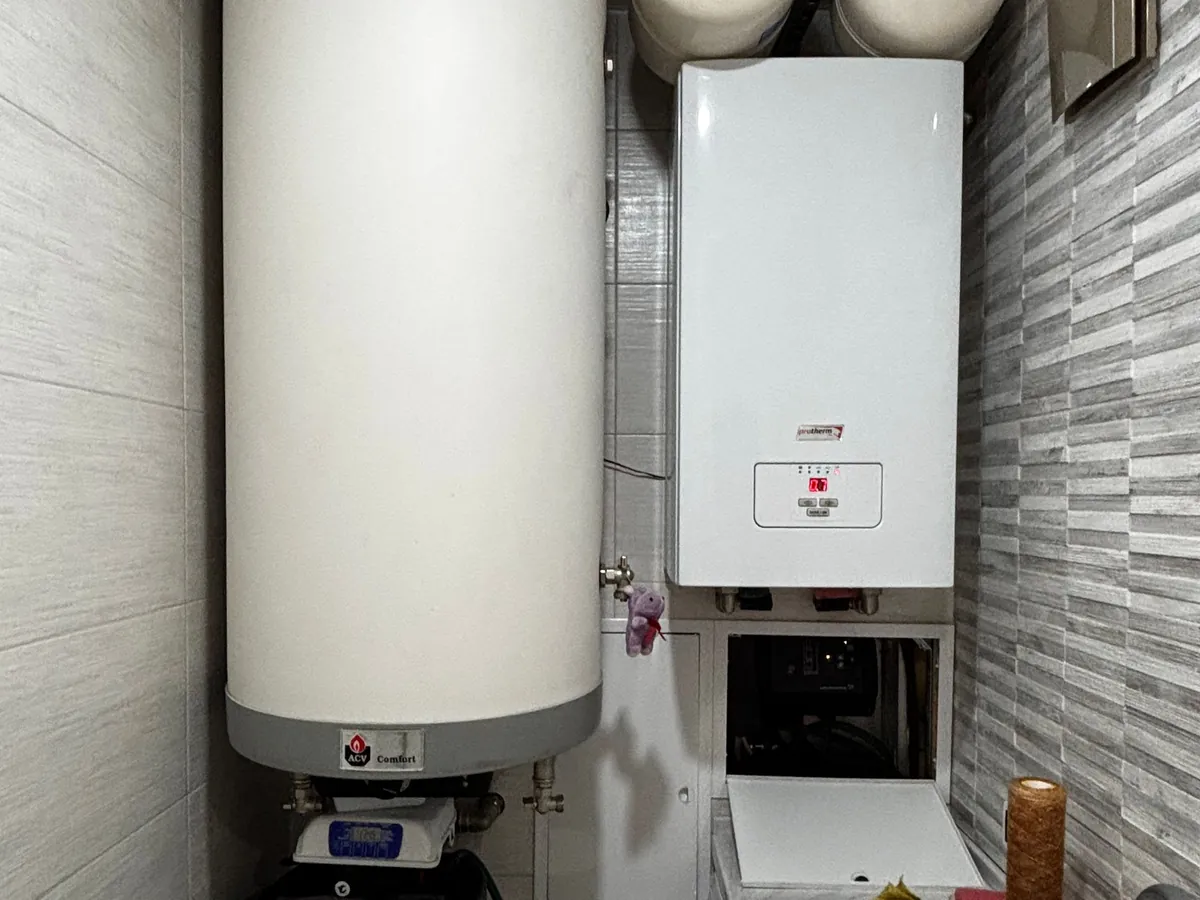
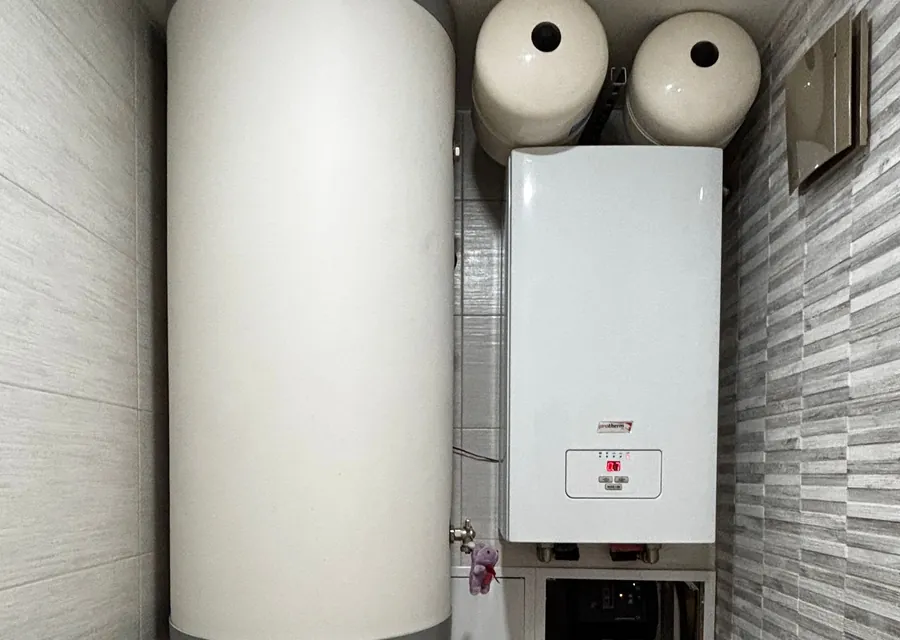
A hot water cylinder is the storage half of a system or regular boiler setup: the boiler (or an immersion heater) warms the water, the cylinder holds it, and your taps draw from it. When something goes wrong the symptoms are usually simple to describe but can have several causes, from a failed cylinder thermostat to a seized motorised valve two rooms away. We work on both open vented cylinders fed from a loft tank and unvented cylinders running at mains pressure.
Much of our cylinder work is in 1930s semis and post-war houses where the original copper cylinder still sits in the airing cupboard with a cold water tank above it in the loft. We also see plenty of unvented cylinders in newer builds and extensions. We cover the city and the towns we cover around Birmingham, and if the cylinder is being replaced as part of a wider heating change, it often goes hand in hand with a boiler replacement.
Hot water cylinder types
Before we quote for any hot water cylinder repair or replacement, we identify exactly what you have. The type decides which parts fit, what the regulations say and what pressure you can expect at the taps.
- Open vented cylinder: fed by gravity from a cold water storage cistern in the loft, with an open vent pipe looping back over the tank. Pressure depends on how high the tank sits above the outlets.
- Unvented cylinder: fed directly from the cold main through a pressure reducing valve, with an expansion vessel and a set of safety devices. Strong flow to showers on every floor.
- Indirect cylinder: heated by a coil carrying boiler water, usually with an immersion heater as backup.
- Direct cylinder: heated by immersion elements only, common in flats without a gas supply.
- Combination unit and thermal store: less common, but still found in some flats and older conversions.
Unvented cylinder installation
An unvented cylinder installation gives you mains pressure hot water without a loft tank, which frees up the airing cupboard and the loft. It suits homes with good incoming mains flow and pressure, so we test the supply at the kitchen tap before recommending one. A weak main, common on long shared supplies in older terraces, can make an unvented cylinder a disappointment.
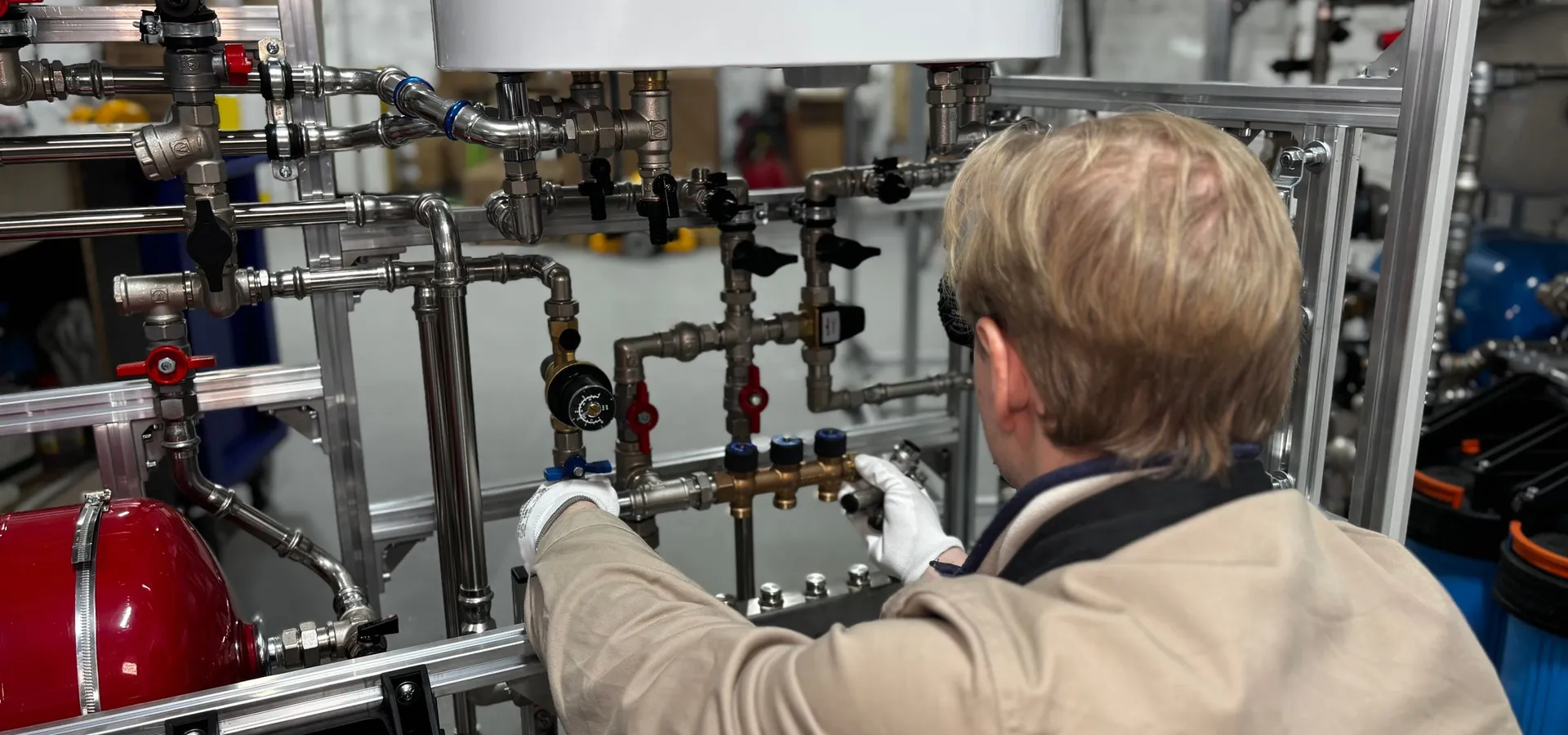
The job involves more than connecting pipes. An unvented system needs a pressure reducing valve, an expansion vessel or internal air bubble, a temperature and pressure relief valve, an expansion relief valve and a tundish with a discharge pipe run to a safe, visible termination point. The discharge route is often the hardest part to plan, especially in mid terrace houses where the cylinder sits in the middle of the building. We also check that the old loft tank and vent pipes are properly capped or removed so nothing is left half connected.
Cylinder repairs and fault diagnosis
Most hot water cylinder repairs start with a symptom, and each symptom points to a short list of parts.
No hot water, but the heating works
This usually means the motorised zone valve for hot water is not opening, its actuator head has failed, or the cylinder thermostat is not calling for heat. We test each part with the programmer set to hot water only.
Water dripping from the tundish
On an unvented cylinder, a drip or trickle into the tundish is a warning. The expansion vessel may have lost its air charge, the pressure reducing valve may be letting through, or a relief valve may be worn. It should be looked at promptly rather than left.
Other faults we deal with include burnt out immersion elements, lukewarm water from a scaled coil, discoloured water from an ageing copper tank, and weeping joints around the cylinder connections.
Cylinder servicing and safety checks
Unvented cylinder manufacturers generally ask for an annual service, and some make it a condition of their own product terms. A vented cylinder needs less attention, but a periodic look still catches problems early.
- Checking and recharging the expansion vessel air pressure with the system isolated.
- Manually testing the temperature and pressure relief valve and the expansion relief valve.
- Inspecting the tundish and discharge pipe for blockage, scale or poor routing.
- Checking the pressure reducing valve and cleaning its strainer.
- Testing the cylinder thermostat, the high limit cut out and the immersion heater.
Birmingham's mains water comes mostly from the Elan Valley and is soft, so scale is rarely the main issue in the city itself. In parts of the Black Country and further north, harder supplies do leave lime scale on immersion elements and coils, and we look for it during the service.
Replacement and upgrades
A hot water cylinder replacement makes sense when the tank itself is leaking, when repeated repairs are adding up, or when your household has outgrown it. Copper cylinders often fail at the seams or around the immersion boss, and once a cylinder body weeps there is no lasting repair.
When replacing, we consider a few things with you:
- Size, based on the number of bathrooms and how many people shower back to back.
- Like for like vented, or a change to unvented if the mains supply supports it.
- Whether a combi boiler would suit better, removing the cylinder altogether.
- Better factory insulation than old spray foam or jacketed tanks.
- Whether the cylinder is ready for a heat pump or solar coil later on.
We explain the trade offs honestly. A combi is not right for a house with two bathrooms in constant use, and a cylinder is not always right for a small flat.
What decides the price of a cylinder job
Every cylinder job is quoted after we know what is involved, because two jobs that sound the same can differ a great deal on site. The main things that move the price are:
- The cylinder itself: vented or unvented, capacity, and whether it has one coil or two.
- Access: an airing cupboard off a landing is easier than a cylinder boxed into a loft or a tight cupboard under the stairs.
- Pipework changes: moving from vented to unvented usually means new cold feeds, a discharge pipe run and removal of loft tanks.
- Controls: new zone valves, a cylinder thermostat or a programmer change.
- Notification: unvented work has to be notified to building control, which is part of the job.
For a repair, the deciding factor is usually which part has failed and whether it is in stock for your cylinder make. We tell you what we have found before any work goes ahead.
Regulations, G3 and building control
Unvented hot water storage is covered by Part G of the Building Regulations, and section G3 deals specifically with its safety. Because an unvented cylinder holds heated water under pressure, the regulations require that it is installed by a person competent to do the work, that the correct safety devices are fitted, and that the discharge pipe is routed so hot water can escape safely if a valve lifts.
In practice, the law expects the installer to hold a recognised unvented hot water qualification, and the installation must be notified to building control, either directly or through a competent person scheme. You should receive paperwork confirming this, and it is worth keeping for when you sell the house.
If you are having unvented work done by anyone, it is reasonable to ask how they meet the G3 requirement and how the job will be notified. Vented cylinder work is not covered by G3 in the same way, but it still needs to meet water regulations on backflow and cold feeds.
Urgent cylinder faults and what to do while you wait
A leaking cylinder or a relief valve discharging hot water needs attention quickly, and urgent jobs are prioritised. While you wait, a few steps keep things under control:
- Switch off the immersion heater at its switch and set the boiler programmer so hot water is off.
- For an unvented cylinder, close the cold mains isolation valve feeding it, usually near the pressure reducing valve.
- For a vented cylinder, close the gate valve on the cold feed from the loft tank, or turn off the stopcock to stop the tank refilling.
- Do not touch the discharge pipe or tundish if hot water is coming out; it can scald.
- Put towels down and move anything valuable from below the airing cupboard.
If water is coming through a ceiling near light fittings, switch the lighting circuit off at the consumer unit. If you cannot find where the leak is coming from, our leak detection page explains how hidden leaks are traced.
How it works
How a cylinder job runs
From the first look to handover, this is how we deal with hot water cylinders.
- 01
Identify the system
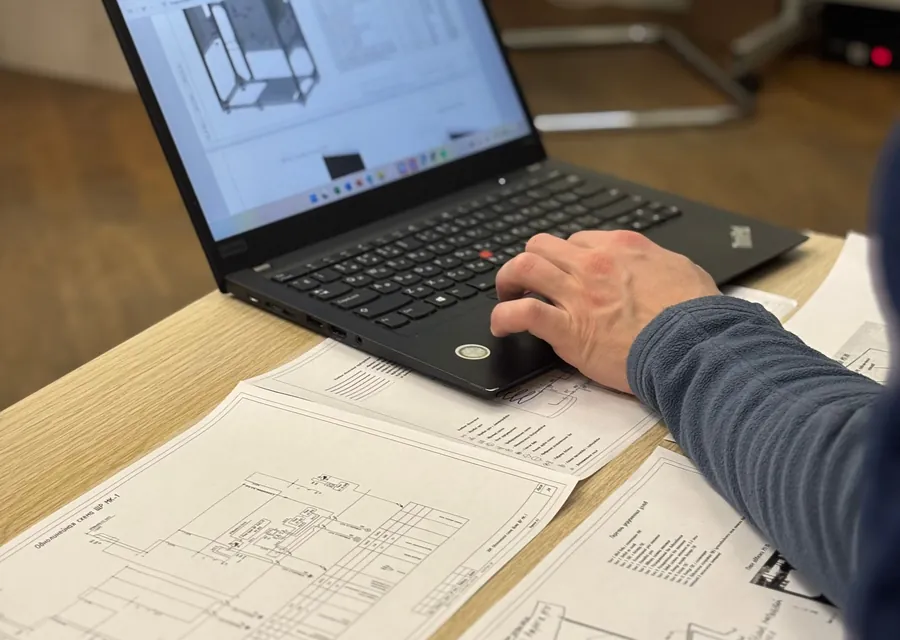
We confirm whether your cylinder is vented or unvented, direct or indirect, and check the controls, zone valves and loft tank so we know what we are working with.
- 02
Test and diagnose
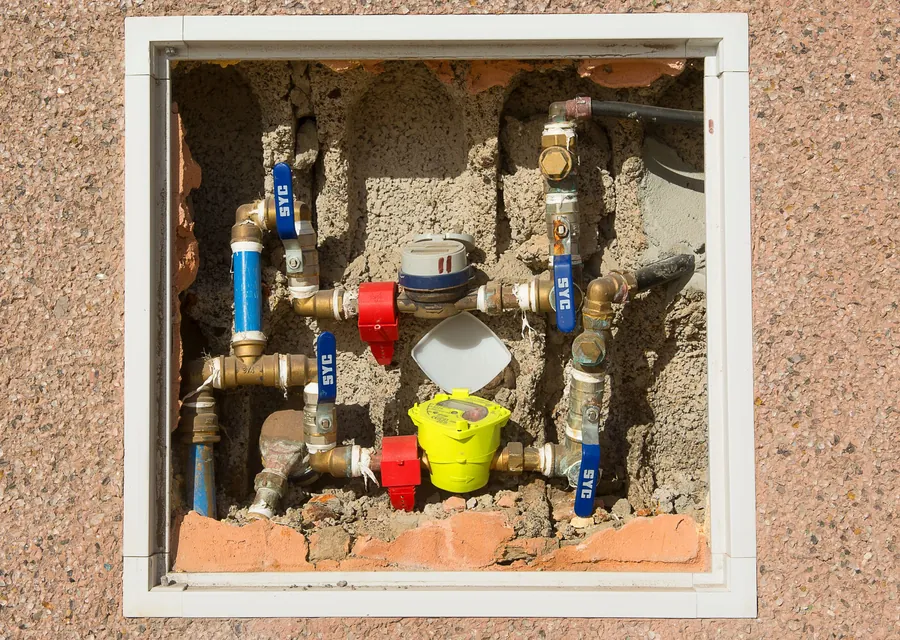
For faults, we test thermostats, immersion elements, valves and expansion vessel charge. For replacements, we check mains flow and pressure and the discharge route options.
- 03
Explain and agree
You get a clear account of what is wrong or what the new setup involves, the options available, and a price for the agreed work before anything starts.
- 04
Fit, test, hand over
We carry out the work, commission the safety devices, test the hot water at the outlets, and give you any notification paperwork and a short explanation of the controls.
Hot water not behaving as it should?
Tell us what the cylinder is doing and we will come back to you with the next step.
Gallery
Hot Water Cylinder: the kind of work involved
Four photographs from the wider gallery on the home page. Tap any one to open it full size.
Areas covered
Cylinder work across Birmingham and nearby towns
We handle hot water cylinder work throughout Birmingham, from terraces in Kings Heath and semis in Northfield to newer flats in the city centre. We also cover surrounding towns such as Solihull, Sutton Coldfield, Walsall, Dudley and Halesowen, where harder water can affect cylinder coils and immersion elements.
- Aston
- Hockley
- Smethwick
- Washwood Heath
- Acocks Green
- West Bromwich
- Castle Vale
- Oldbury
- Bartley Green
- Shirley
- Halesowen
- Solihull
- Sutton Coldfield
- Chelmsley Wood
- Wednesbury
- Streetly
Related services
Jobs that often go with this one
Boiler Service
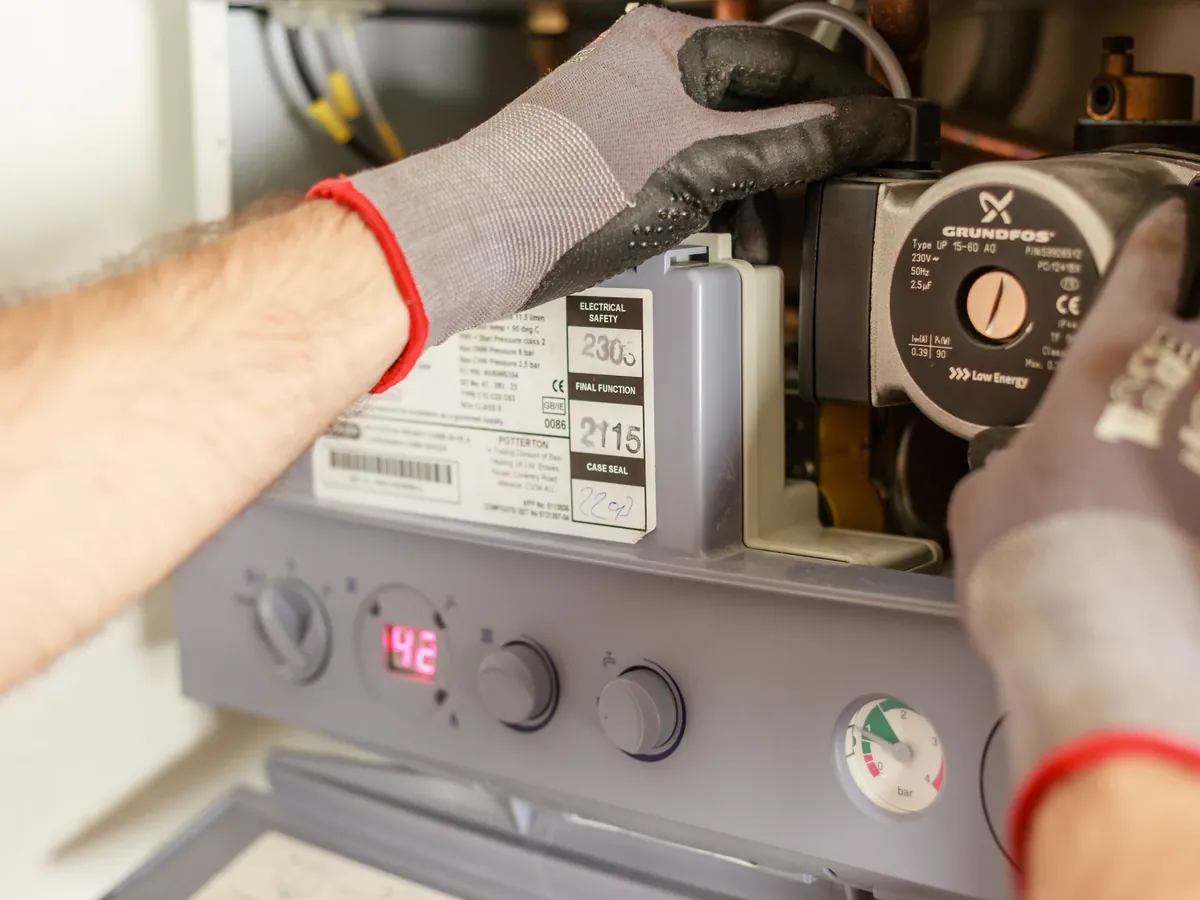
The yearly strip-down, clean and combustion check that keeps a boiler safe and catches faults early.
Emergency Plumber
Burst pipes, water through the ceiling and no hot water: urgent jobs are put to the front of the list.
Bathroom Installation
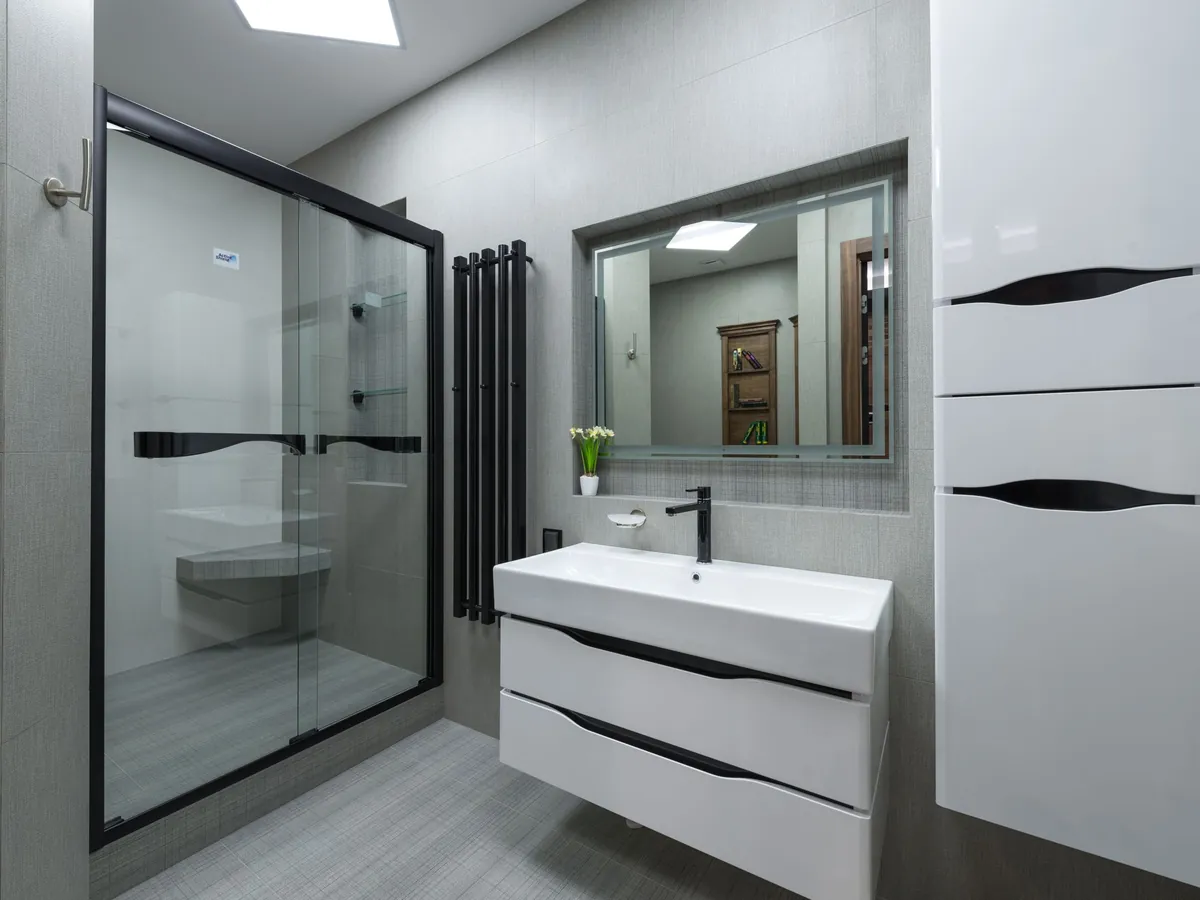
Full bathroom and shower room fits, from first fix pipework and boarding to the last bead of sealant.
Questions
Hot Water Cylinder: questions people ask
How do I know if my cylinder is vented or unvented?
Look in the loft for a cold water tank with a pipe feeding down to the airing cupboard. If there is one, the cylinder is most likely vented. An unvented cylinder usually has a small expansion vessel nearby, a cluster of valves on the cold inlet, and a tundish (a small funnel with a visible air gap) on the pipework. A label on the cylinder normally confirms it.
Why is my hot water only lukewarm?
Common causes are a cylinder thermostat set too low, a motorised valve that is only partly opening, air in the coil, or a coil coated in scale on harder water. If you rely on the immersion heater, one element may have failed. The heating working normally while the hot water stays lukewarm usually points to the valve or thermostat rather than the boiler.
Is a dripping tundish dangerous?
It is a sign that something in the unvented system is not right, often a flat expansion vessel or a pressure reducing valve letting by. It is not usually an emergency on its own, but it should not be ignored, because the safety devices are there to protect against overheating and over pressure. Keep the tundish clear and arrange a check.
Can I swap my old copper cylinder for an unvented one?
Often, yes, provided your incoming mains has enough flow and pressure and there is a sensible route for the discharge pipe. We test the supply first. Older homes on narrow or shared supply pipes sometimes need an upgraded water main to get the benefit, and that is worth knowing before committing to the change.
How often should an unvented cylinder be serviced?
Manufacturers generally recommend once a year. The service involves checking the expansion vessel charge, testing the relief valves, cleaning the strainer on the pressure reducing valve and checking the thermostats and cut outs. Keeping a record of servicing is also useful if you ever need to deal with the manufacturer about a fault.
Quick Quote Online
Ask for a quote on your hot water cylinder
Let us know whether the cylinder is vented or unvented if you can, its rough size or make from the label, and what the fault is doing.
- A written price before any work starts
- Plumbing, heating, drains and bathrooms from one place
- Birmingham and the towns around it