Landlord gas safety checks
Landlord Gas Safety Certificate in Birmingham
If you let a property with gas appliances, the law requires an annual safety check and a written record for your tenants. We carry out landlord gas safety checks across Birmingham and explain exactly what was found.
- Annual check on every landlord appliance
- Written record issued after the check
- Defects explained with clear next steps
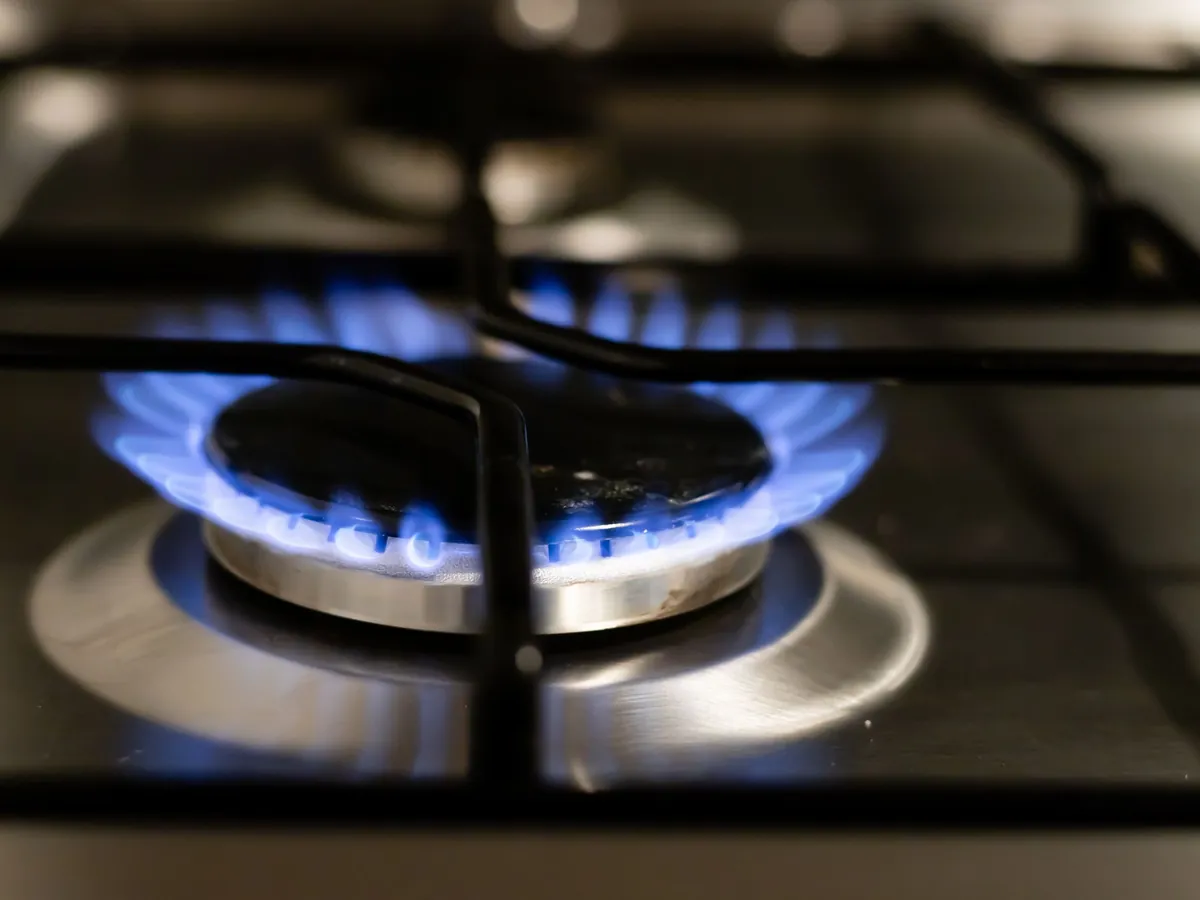
Landlords and letting agents on their gas safety checks
What the work involves
The landlord gas safety certificate, often called a CP12 or Landlord Gas Safety Record, is the written proof that every gas appliance, fitting and flue you provide in a rented home has been checked in the last twelve months. It is a legal duty rather than a formality, and it applies whether you let a single flat, a family house or a room in a shared home. We carry out these checks for landlords and agents in the city and the towns we cover around Birmingham.
A safety check is not the same as a service. The check confirms appliances are safe to use at the time of the visit; it does not strip down and clean the boiler. Landlords also have a separate duty to keep appliances maintained, which is why many book an annual boiler service at the same visit as the gas certificate, saving a second appointment with the tenant.
What the law asks of landlords in England
The Gas Safety (Installation and Use) Regulations set out three main duties for landlords of residential property:
- Maintenance: gas pipework, appliances and flues you provide must be kept in a safe condition
- Annual checks: each appliance and flue must have a safety check within twelve months of the previous one
- Records: a record of each check must be given to tenants and kept
The law is also clear on who can do the work. Any gas check or repair must by law be carried out by a Gas Safe registered engineer, and the engineer's registration must cover the type of appliance being checked. You or your tenant can look at the engineer's ID card and confirm the details on the public Gas Safe register.
The duties sit with the landlord even when a letting agent manages the property. An agent can arrange the check, but the contract should make clear who is responsible. The regulations are enforced by the Health and Safety Executive, and failures can lead to prosecution.
What the annual gas safety check covers
During the check the engineer works through every gas appliance you provide, such as the boiler, gas fire, hob and cooker, plus the installation pipework. For each appliance the checks include:
- Gas tightness of the installation, confirming there are no leaks from the meter onwards
- Burner pressure or gas rate, so the appliance is burning the right amount of gas
- Flue flow and spillage tests, to make sure fumes are being carried safely outside
- Adequate ventilation for appliances that need it
- Operation of safety devices, such as flame failure devices on hobs and fires
On a modern room-sealed boiler, a flue gas analyser is also used to check combustion. The engineer looks at visible flue runs too. In older Birmingham houses, where boilers sometimes sit in kitchens with long flue runs through cupboards or ceiling voids, inspection hatches allow the concealed sections to be seen. Without them, the flue cannot be properly checked.
Timing the check and keeping the expiry date
Every check must be carried out within twelve months of the last one. That sounds simple until a tenant is away, a key goes missing or a changeover falls in the wrong week. To help landlords avoid gaps, the regulations allow some flexibility.
The two month window
A check carried out in the two months before the deadline, that is, between ten and twelve months after the previous check, can keep the original expiry date. The new record simply runs on from the old date, so booking early does not shorten the year.
When the window does not apply
If the check happens earlier than that window, the new twelve month period starts from the date of the new check. To use the flexibility, you need to keep the previous record as well as the new one, as that is the evidence of the date you are working from. Setting a reminder around the ten month mark leaves plenty of time to arrange access.
Records, tenants and the paperwork rules
After the check the engineer issues the landlord gas safety record. It should show the date of the check, the property address, the landlord's or agent's name and address, the engineer's name, Gas Safe registration number and signature, each appliance and flue checked, and any defects with the action taken.
What you do with the record matters as much as the check itself:
- Give a copy to existing tenants within 28 days of the check
- Give a copy to new tenants before they move in
- Keep each record for at least two years
- In short lets such as holiday lets, a copy can be displayed prominently in the property instead
A digital record is fine, as long as the tenant can access it and it can be printed if needed. Keep copies of emails or messages showing when the record was sent. If there is ever a dispute, that trail shows you met the deadline for handing it over.
When an appliance fails the gas safety check
Engineers follow an industry procedure for unsafe situations, and the outcome depends on how serious the defect is.
- Immediately Dangerous: the appliance is a risk to life right now. With the permission of the responsible person it is disconnected from the gas supply and labelled
- At Risk: one or more faults could become dangerous. The appliance is turned off with permission and labelled not to use
- Not to Current Standards: the installation met the rules when fitted but not today's. It is safe to use and noted as advice
An appliance that has been labelled must not be used until it is repaired and rechecked. A record showing an unsafe appliance does not meet your duty just by being issued; the fault needs putting right. Typical failures include spillage from open-flued gas fires, missing ventilation, a boiler with poor combustion readings, and cookers without stability brackets. The record lists what failed and why, so a repair can be booked straight away.
Tenant appliances, access and shared houses
Landlords are responsible for the appliances and flues they provide. A gas cooker or fire that the tenant owns and brought with them is not covered by your annual check, but any flue that serves it and that you provide still is, along with the installation pipework. Note on the record which appliances belong to the tenant.
Access is the other common difficulty. Tenants should let the engineer in, but you cannot force entry. You must take all reasonable steps to arrange the check, and keep a written record of each attempt, such as letters, emails and missed appointments.
Houses in multiple occupation, common in student areas like Selly Oak, often have several appliances across shared kitchens and bedrooms, and every one must be listed. In blocks of flats, such as the older towers in Nechells and Newtown, communal plant may be the building owner's duty while appliances inside each flat remain the individual landlord's. In England, rooms with a fixed combustion appliance, other than a gas cooker, also need a working carbon monoxide alarm.
How it works
How a landlord gas safety check is arranged
Designed around tenants, keys and tight deadlines.
- 01
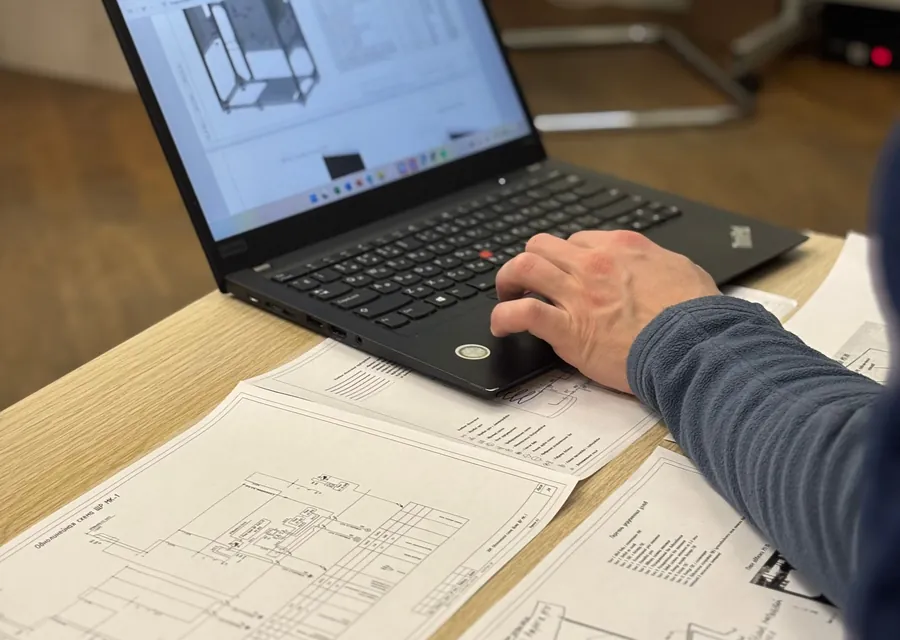
Send the property details
Use Quick Quote Online to give the address, the appliances you provide, the expiry date of the current record and who holds the keys or will let the engineer in.
- 02
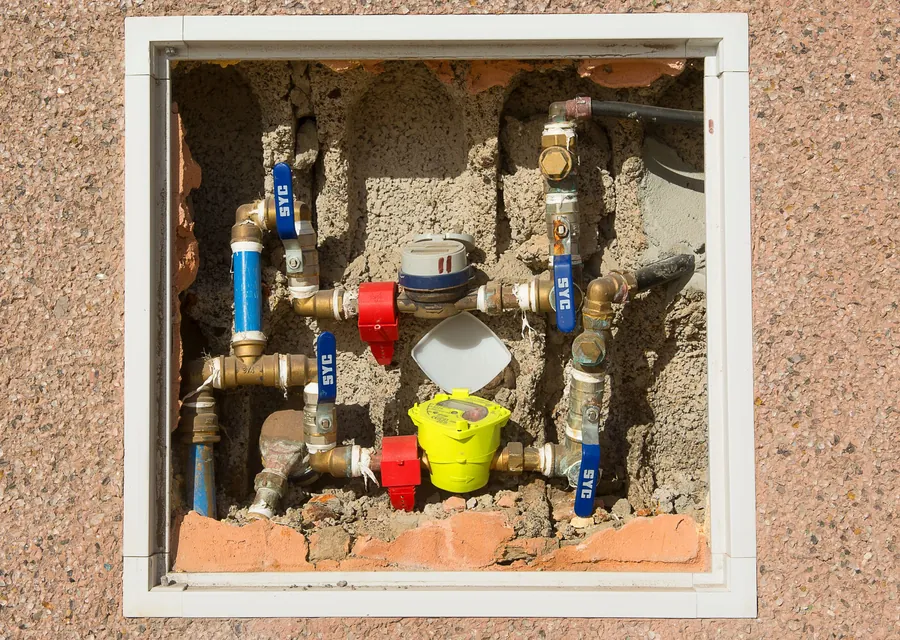
Book access with tenants
An appointment is agreed with you or your agent and the tenant. Where tenants need notice or a change of time, we work with the contact details you provide.
- 03
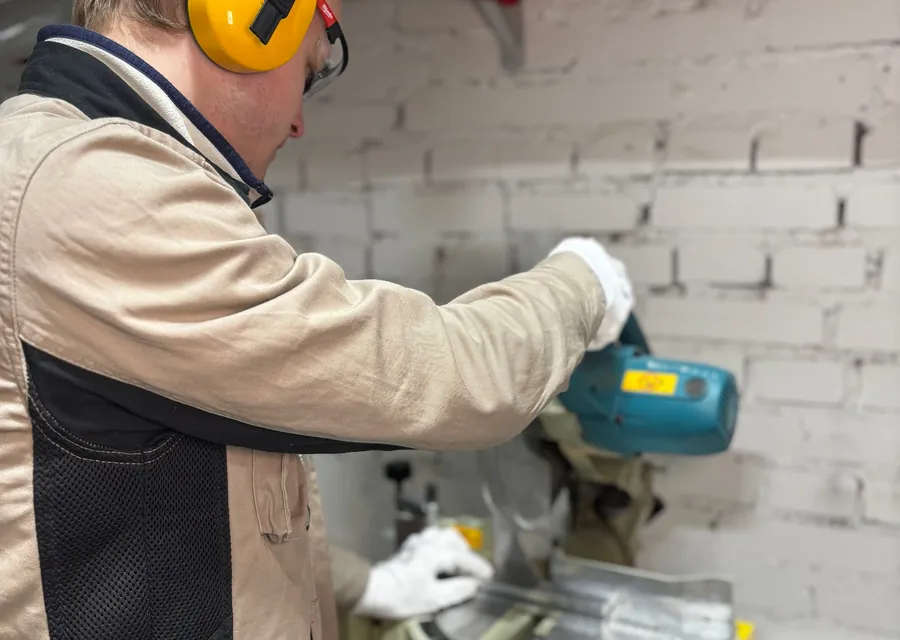
Carry out the check
Every landlord appliance, flue and the pipework is tested. Anything unsafe is dealt with under the unsafe situations procedure and explained to the tenant on site.
- 04
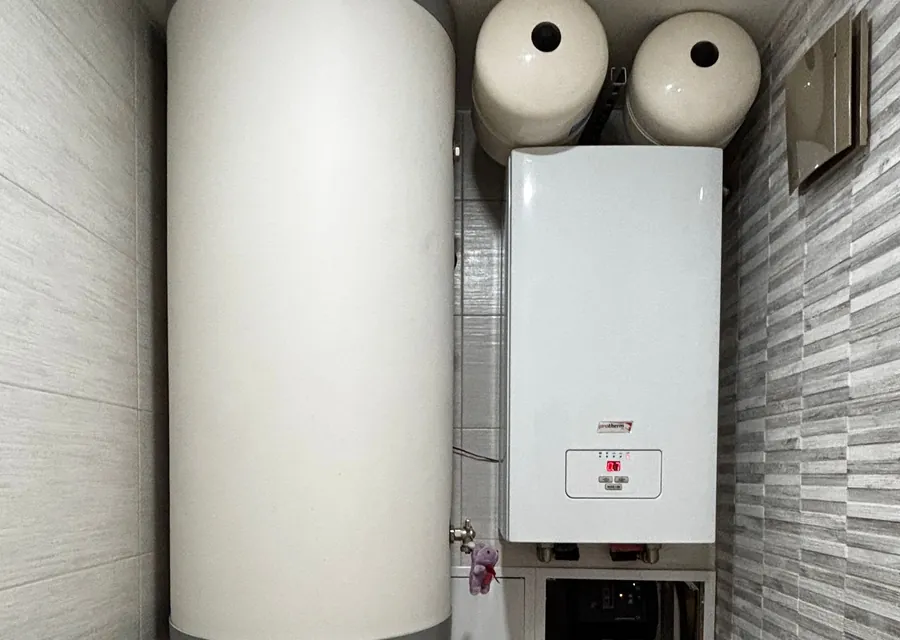
Issue the record
You receive the landlord gas safety record listing each appliance, the results and any defects, ready to pass on to tenants within the legal deadline.
Is your gas safety record due soon?
Send your property details and current expiry date through Quick Quote Online.
Gallery
Gas Safety Certificate for Landlords: the kind of work involved
Four photographs from the wider gallery on the home page. Tap any one to open it full size.
Areas covered
Landlord gas checks across Birmingham
We carry out landlord gas safety checks in Birmingham and nearby towns including Solihull, Sutton Coldfield, Smethwick, West Bromwich, Walsall and Dudley. That covers student houses, family lets, city-centre apartments and flats in older tower blocks, each with its own mix of appliances and access arrangements.
- Aston
- Hockley
- Smethwick
- Washwood Heath
- Acocks Green
- West Bromwich
- Castle Vale
- Oldbury
- Bartley Green
- Shirley
- Halesowen
- Solihull
- Sutton Coldfield
- Chelmsley Wood
- Wednesbury
- Streetly
Related services
Jobs that often go with this one
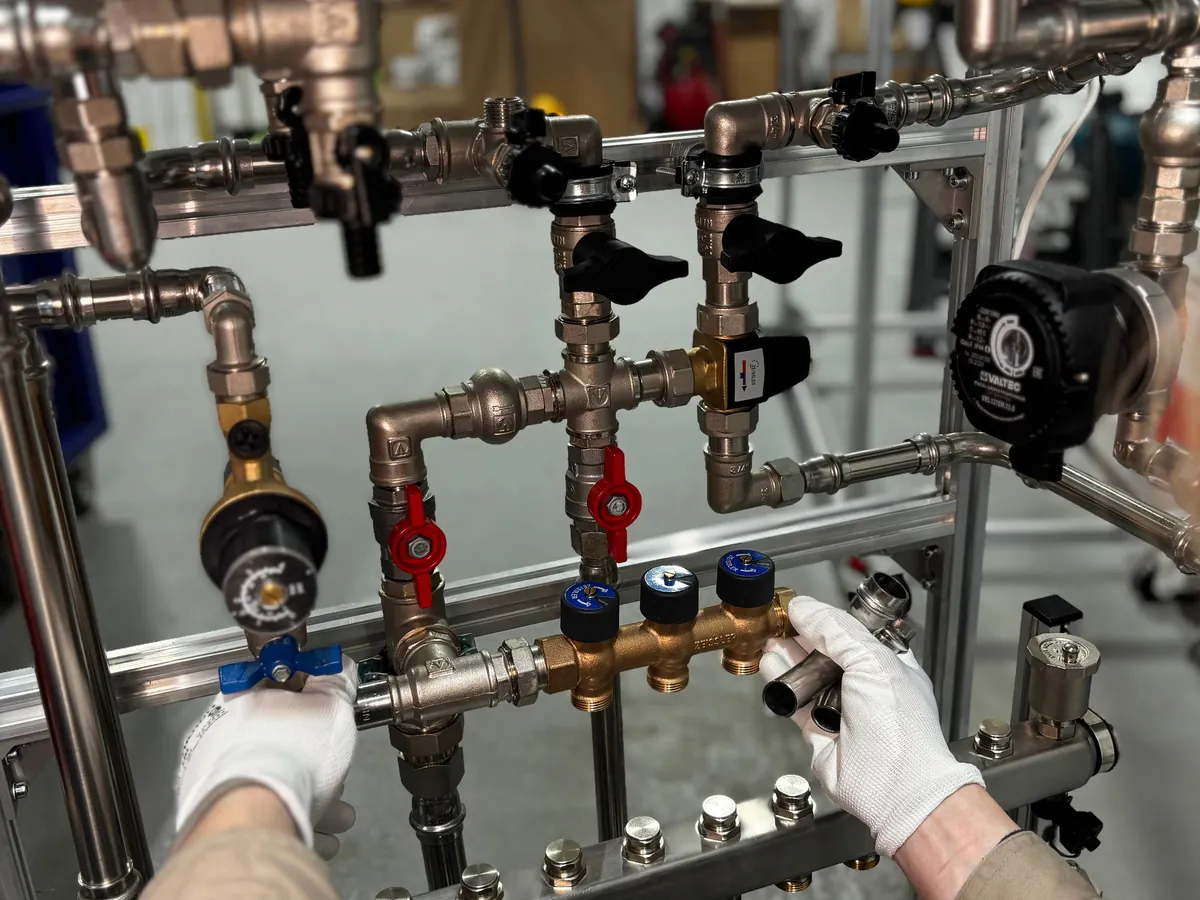
Boiler Repair
Fault codes, lost pressure, no heating or no hot water: diagnosed at the boiler and put right with the correct part.
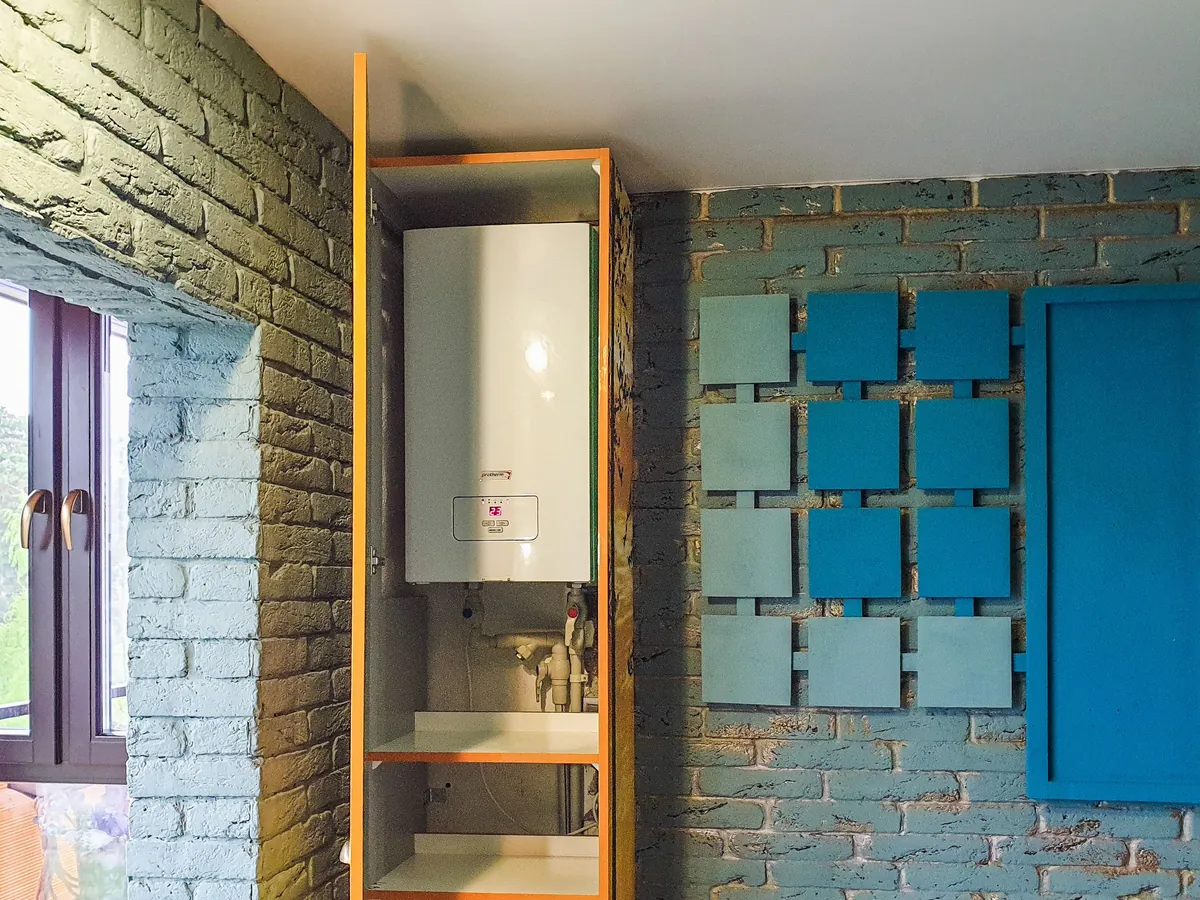
Boiler Installation
Old boilers swapped for new combi, system or regular models, sized to the house and commissioned properly.
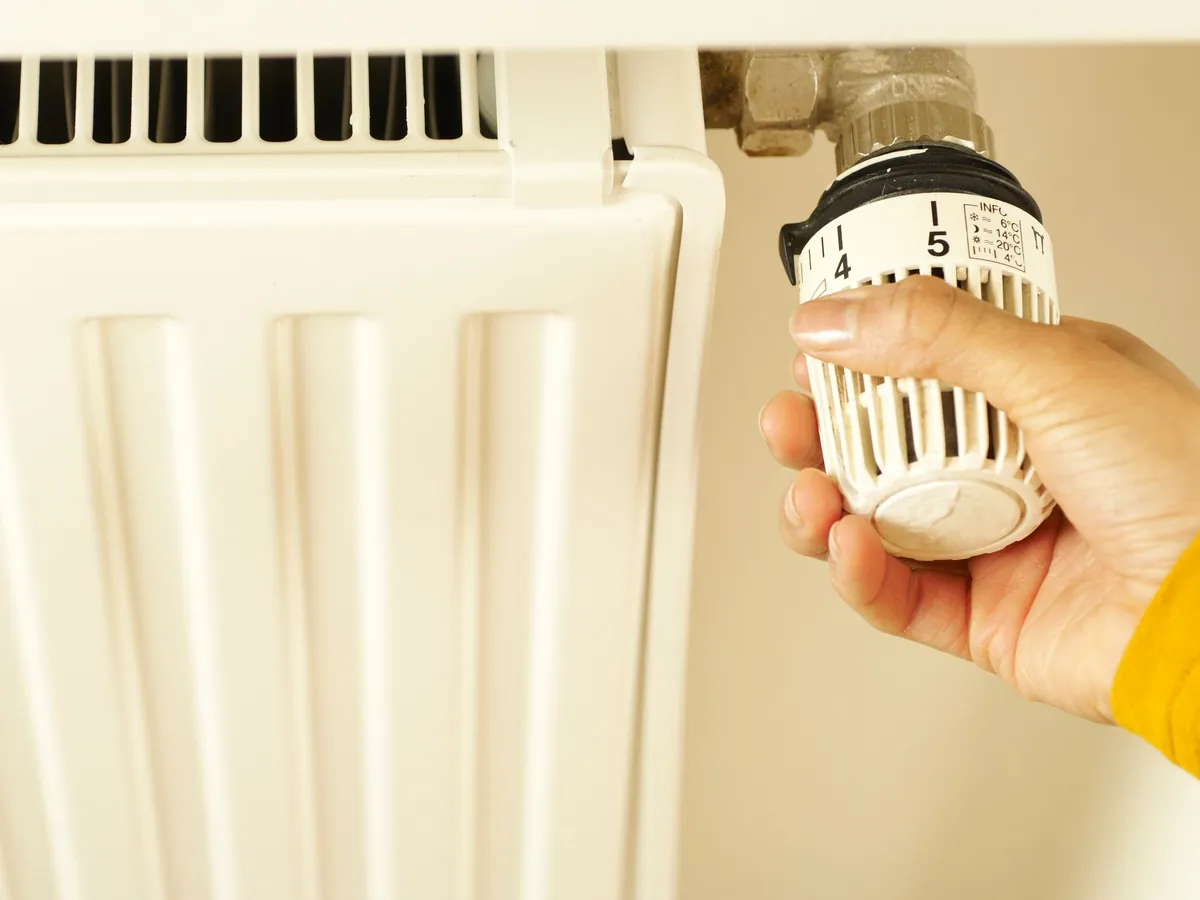
Central Heating Installation
New and extended heating systems: pipe runs, radiators, controls and zoning planned around how the house is used.
Questions
Gas Safety Certificate for Landlords: questions people ask
Is a CP12 the same as a landlord gas safety certificate?
Yes. CP12 is an older name that stuck, and many people still use it. The correct term is a Landlord Gas Safety Record, but gas safety certificate, landlord gas certificate and CP12 all refer to the same written record of the annual check. What matters is that it contains the required details and is given to tenants on time.
My tenant will not give access. What should I do?
Keep trying and keep a record. Write to the tenant explaining the legal requirement, offer several appointment times, and note every refused or missed visit. You cannot enter without permission, but a documented history of reasonable attempts shows you did what you could. Contact your local council's housing team or seek legal advice if access is refused repeatedly.
Does the gas safety check include servicing the boiler?
No. The safety check tests that appliances are safe when the engineer visits. A service goes further, cleaning components and checking parts for wear, and it helps you meet the separate duty to maintain appliances. Many landlords book both at the same visit, so the tenant only needs to provide access once.
Do I need a gas safety certificate if the property has no gas appliances?
If there is no gas supply, or the supply is capped at the meter and there are no appliances, there is nothing to check. If there is live gas pipework but no appliance, landlords still have a duty to keep that pipework safe, and an engineer can confirm it is capped correctly and sound.
Can I re-let a property with an appliance that failed?
The failed appliance must stay disconnected or turned off until it is repaired or removed, and a new tenant must not be given the property with an unsafe appliance in use. Once the fault is fixed, the appliance can be rechecked and the record updated, and the property can be let with a clean record.
Quick Quote Online
Book your landlord gas safety check
List the gas appliances in the property, the current expiry date and whether it is a single let or shared house.
- A written price before any work starts
- Plumbing, heating, drains and bathrooms from one place
- Birmingham and the towns around it