Boiler breakdowns
Boiler Repair in Birmingham
No heating, no hot water, a fault code on the display or water dripping from underneath. We diagnose and repair boiler breakdowns across Birmingham, and tell you plainly whether a boiler is worth fixing.
- Fault found before any parts are fitted
- Combi, system and regular boilers repaired
- Repair or replace advice given honestly
What customers say after a boiler repair
What the work involves
A boiler is a set of parts that talk to each other: a fan, a gas valve, an ignition electrode, a flame sensor, a pump, a diverter valve and a circuit board that reads them all. When one fails, the boiler locks out and shows a code. The code narrows things down, but it rarely names the part on its own. Good boiler repair is about testing, not guessing, so you only pay for parts the boiler actually needs.
We repair boilers in homes across the city and the surrounding areas we cover, from Sutton Coldfield to Northfield. Many breakdowns trace back to missed maintenance, such as a blocked condensate trap or a worn seal, which is why annual boiler servicing prevents a good share of call-outs. Where a boiler is old and parts are scarce, we will say so.
Emergency boiler repair: checks to make first
Some boiler breakdowns can be cleared without a visit, and a few checks also help the engineer if one is needed. Before booking an emergency boiler repair, look at:
- Pressure: the gauge should sit a little above 1 bar when the system is cold. If it has dropped, repressurise it using the filling loop, following the manual
- Power: check the fused spur next to the boiler, and whether the display is lit
- Controls: a thermostat or programmer with flat batteries or the wrong time will stop the heating calling
- Condensate pipe: in freezing weather, a frozen outside run causes lockouts. Pour warm water over it and reset the boiler
Press reset once. If the boiler locks out again, leave it and note the fault code. Never remove the case: inside is the gas valve and combustion chamber, and only a Gas Safe registered engineer may work on those. If you smell gas, turn off the supply at the meter and call the national gas emergency line.
How a boiler fault is diagnosed
Diagnosis starts with what you have seen and heard. When did it stop, does it fire and then cut out, does the hot water work but not the heating? Each answer points to a different part of the boiler.
The engineer then reads the fault code history and tests the boiler with it running. A multimeter checks whether the fan, pump and gas valve are being powered and responding. The flue gas analyser shows whether combustion is correct. Pressure readings on the heating side show whether the expansion vessel is holding its charge.
On combis, a common case is heating that works but hot water that runs lukewarm. That points to the diverter valve, the plate heat exchanger or the flow sensor, and each gives a different test result. Testing first means the right part is replaced the first time, which avoids a second visit and a part you did not need.
Boiler faults and common breakdown causes
Most boiler breakdowns fall into a handful of groups:
- Ignition failure: worn electrodes, a failed ignition lead or a gas valve that does not open, often showing as repeated lockouts
- Pressure loss: a leak on the system, a passing pressure relief valve or an expansion vessel that has lost its charge
- Circulation problems: a seized pump or sludge blocking the heat exchanger, causing kettling noises and overheating
- Hot water faults: a sticking diverter valve or a scaled plate heat exchanger on a combi
- Condensate blockages: a blocked trap or frozen pipe that shuts the boiler down
Sludge is a regular cause across Birmingham. Mains water here is soft and kind to heat exchangers, but steel radiators corrode from the inside and create black magnetite sludge. Where that is the root cause, cleaning the system and fitting a magnetic filter stops the same fault coming back.
How the repair price is worked out
A repair price has two main parts: the time spent finding and fixing the fault, and the cost of any parts. What pushes it up or down:
- How quickly the fault can be pinned down; an intermittent fault that only appears now and then takes longer to catch
- The part itself, as circuit boards, gas valves and heat exchangers cost more than electrodes, sensors or seals
- Whether the part is on the van or needs ordering, which may mean a return visit
- How easy the boiler is to reach, for example in a loft or tight kitchen cupboard
You will be told what the fault is and what the repair involves before parts are fitted. If an expensive part is needed on an old boiler, we will talk through whether the money is better spent on replacing the boiler instead. That decision is yours, and we set out the facts to help you make it.
Parts, labour and replacement components
Where possible we fit genuine manufacturer parts or parts made to the same specification. For gas-carrying and safety components, such as gas valves, fans, air pressure switches and flame sensors, the part must be correct for that exact boiler model. Substituting a near match is not allowed and not safe.
Parts carried and parts ordered
Common wear parts like electrodes, sensors, seals and pressure relief valves are often on the van. Model-specific parts such as circuit boards, heat exchangers and diverter cartridges usually have to be ordered, so the boiler may be made safe and left off, or run on a limited basis, until they arrive.
Older and obsolete boilers
Manufacturers stop making parts for older models after a time. For some boilers, especially older non-condensing ones, parts become scarce or reconditioned. We will tell you if that applies to yours, as it affects whether a repair is sensible.
Gas safety law and what it means for the repair
By law, any work on a gas boiler in the UK must be done by a Gas Safe registered engineer whose registration covers that type of appliance. You can ask to see the engineer's card and check it on the public register.
After any repair that involves the gas side of the boiler, the engineer tests the gas tightness of the installation, checks the gas rate and burner pressure, and uses a flue gas analyser to confirm safe combustion. The flue is checked for proper sealing and support.
If a fault makes the boiler unsafe, industry procedure applies. An appliance classed as Immediately Dangerous or At Risk is turned off and labelled, with your permission, and must not be used until repaired. This can be frustrating on a cold evening, but it exists because faults such as a cracked heat exchanger or poorly sealed flue can release carbon monoxide. A working carbon monoxide alarm near the boiler is a sensible addition in any home.
Boiler brands and system types
We work on all the common makes found in Birmingham homes, including Worcester Bosch, Vaillant, Ideal, Baxi, Glow-worm, Viessmann and Potterton, along with many older models still running in lofts and kitchens.
Repairs differ by system type:
- Combi boilers: heating and hot water faults are closely linked; diverter valves, plate heat exchangers and flow sensors are common culprits
- System boilers: the pump and expansion vessel are inside the boiler, while hot water problems may lie with the cylinder or its zone valve
- Regular boilers: external pumps, motorised valves and the feed and expansion tank in the loft all play a part
In older properties around Sutton Coldfield and Edgbaston, regular boilers with loft tanks remain common, while newer flats almost always have combis.
How it works
How a boiler repair visit runs
From the first description of the fault to the boiler back in use.
- 01
Describe the breakdown
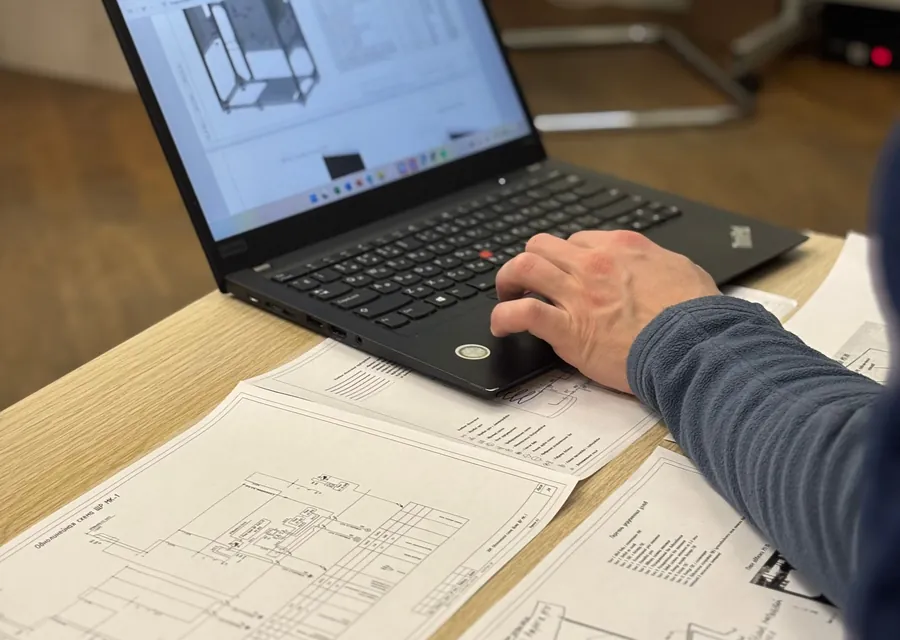
Tell us the boiler make, any fault code and what it is or is not doing through Quick Quote Online. Urgent jobs, such as a household with no heating in cold weather, are prioritised.
- 02
Test and diagnose
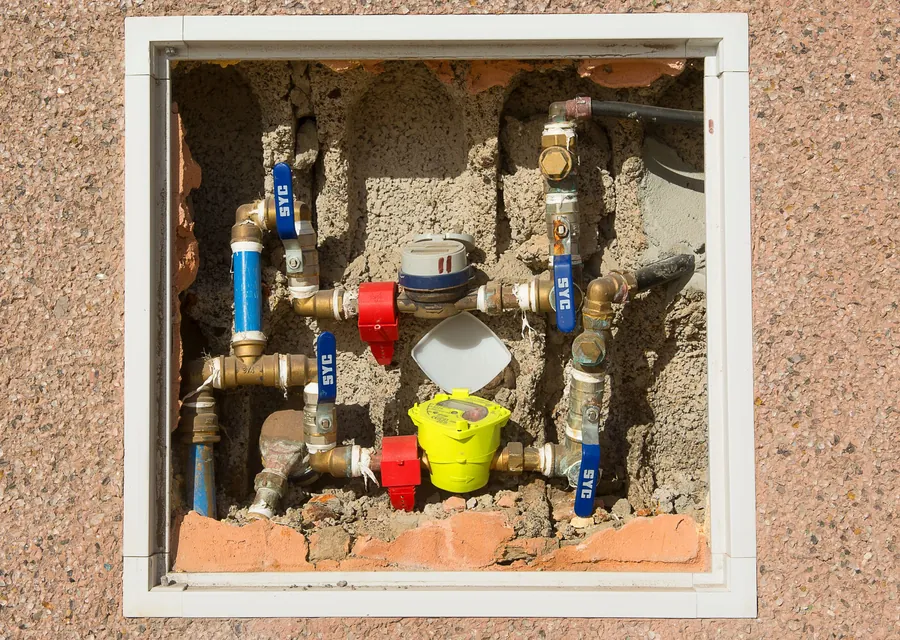
The engineer checks the fault history, then tests components with the boiler running to find the actual cause. You are told what has failed and why.
- 03
Agree the repair
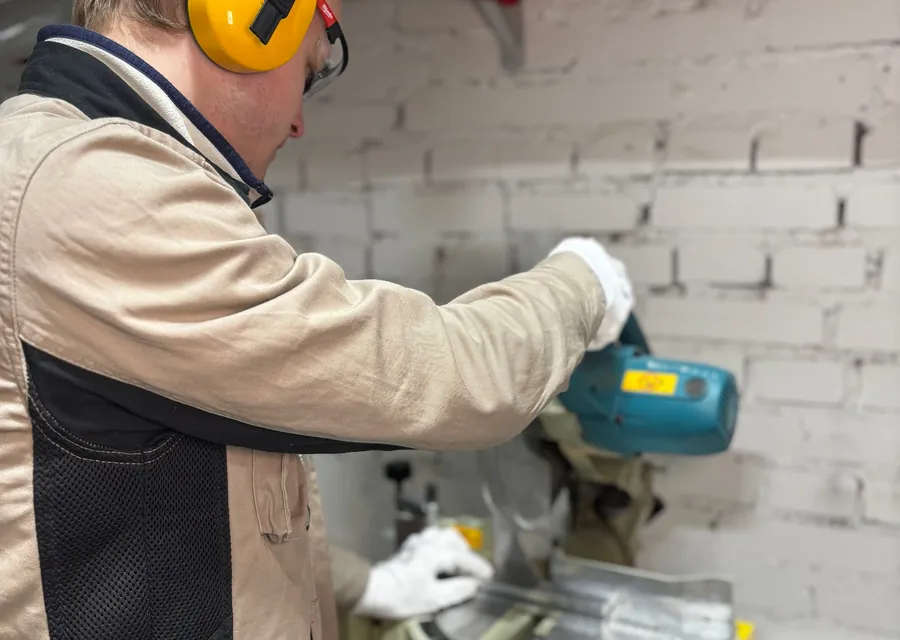
You get a clear explanation of the part needed, whether it is on the van, and the cost, before anything is fitted. Replacement is raised if the repair is not worth doing.
- 04
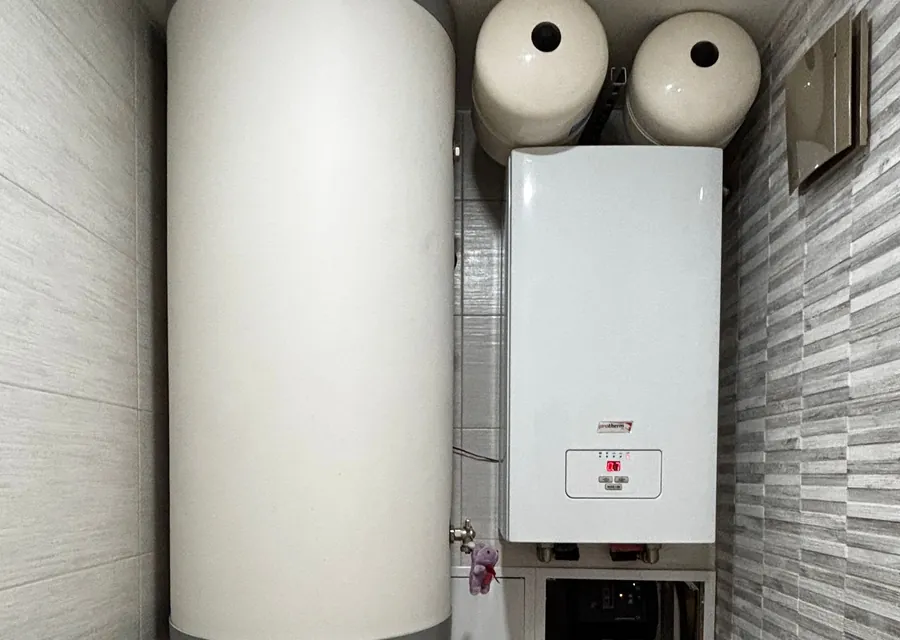
Repair and safety test
The part is fitted, the boiler is tested for gas tightness and combustion, and the system pressure is set. We explain what was done and anything to keep an eye on.
Boiler stopped working or showing a fault?
Send the make, model and fault code through Quick Quote Online.
Gallery
Boiler Repair: the kind of work involved
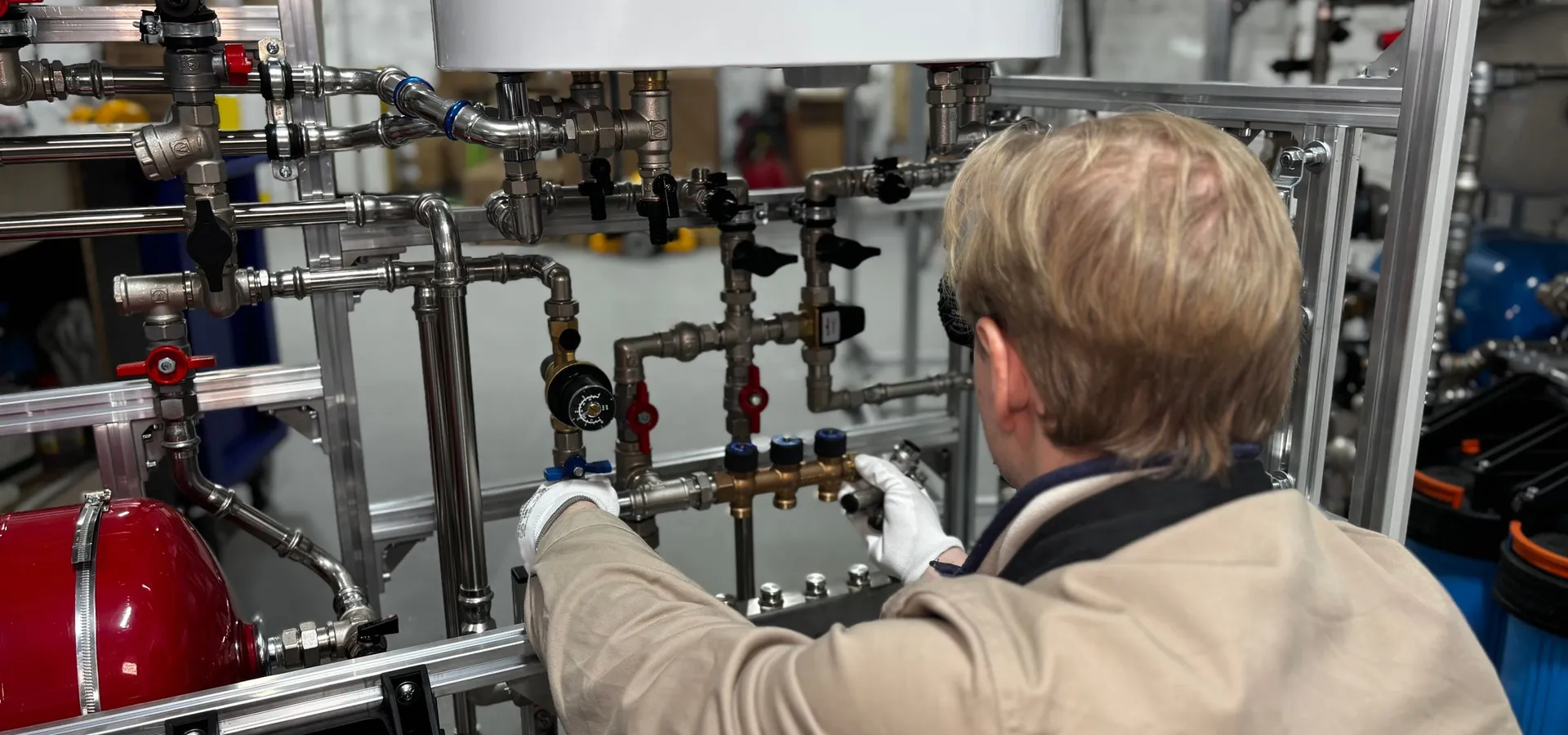
Four photographs from the wider gallery on the home page. Tap any one to open it full size.
Areas covered
Boiler repairs across Birmingham
We repair boilers in Birmingham and the surrounding towns, including Solihull, Sutton Coldfield, West Bromwich, Smethwick, Halesowen and Dudley. That includes older regular boilers in Victorian and 1930s houses, combis in modern apartments, and system boilers in larger family homes.
- Aston
- Hockley
- Smethwick
- Washwood Heath
- Acocks Green
- West Bromwich
- Castle Vale
- Oldbury
- Bartley Green
- Shirley
- Halesowen
- Solihull
- Sutton Coldfield
- Chelmsley Wood
- Wednesbury
- Streetly
Related services
Jobs that often go with this one
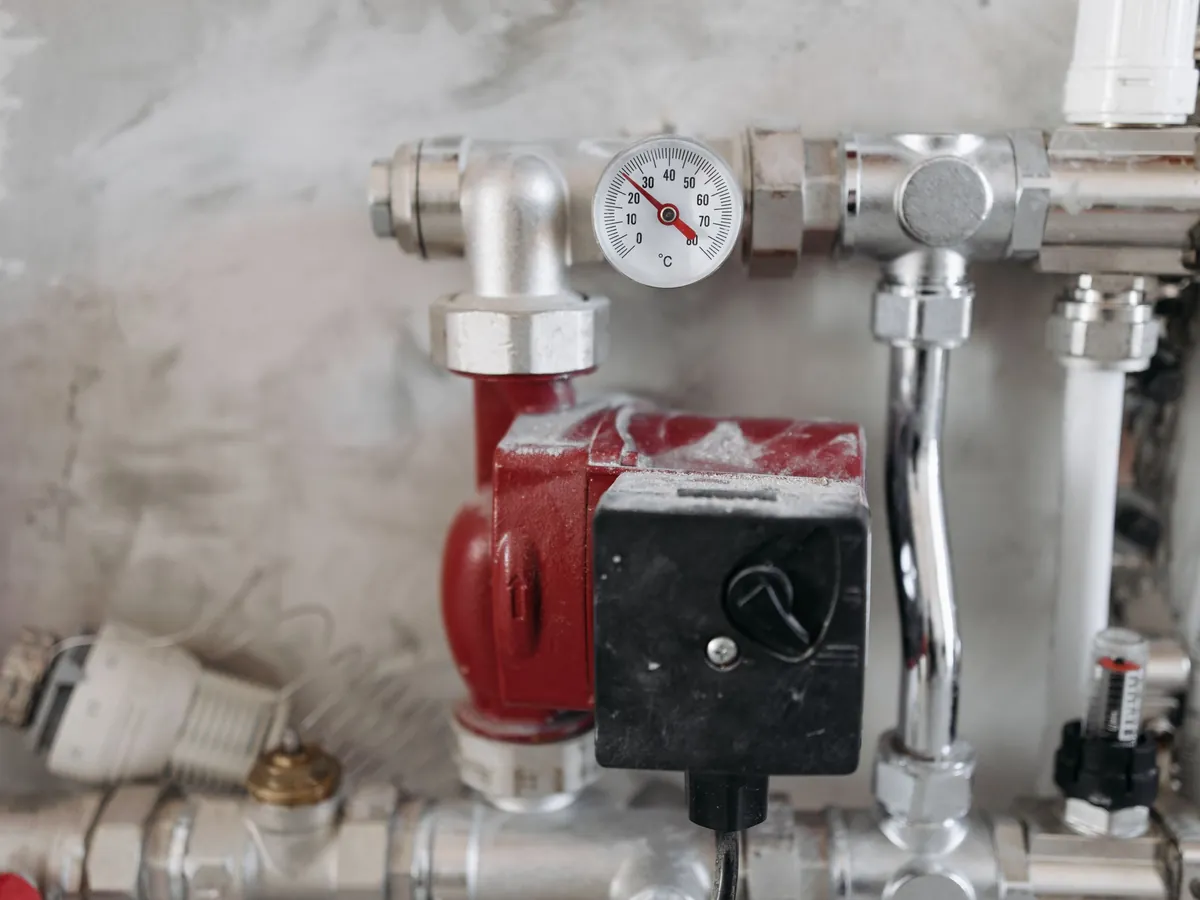
Power Flushing
Sludge and magnetite pushed out of radiators and pipework so heat reaches every room again.
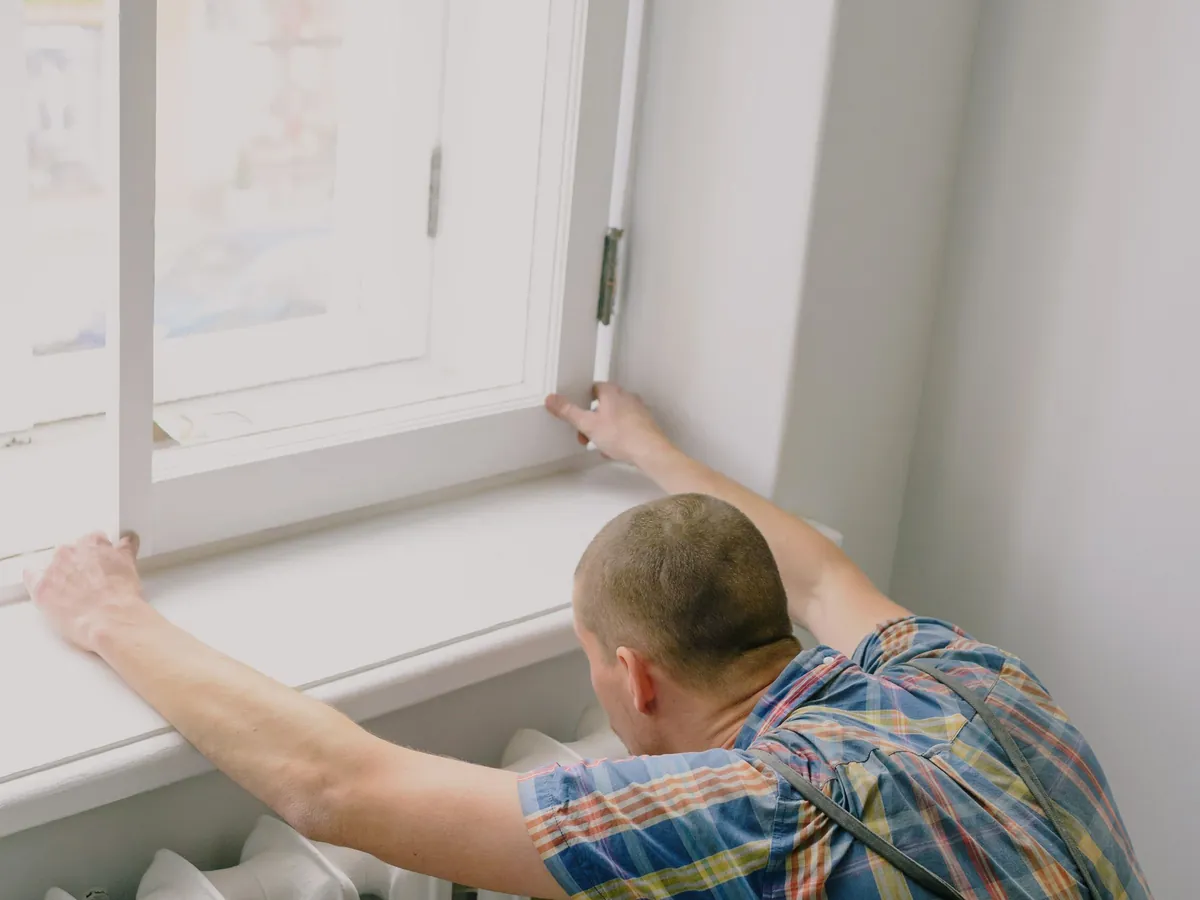
Radiator Repair and Replacement
Leaking valves, cold spots and tired radiators sorted, or swapped for new ones sized to the room.
Emergency Plumber
Burst pipes, water through the ceiling and no hot water: urgent jobs are put to the front of the list.
Questions
Boiler Repair: questions people ask
My boiler keeps losing pressure. What is wrong?
Water is escaping somewhere. Check radiators, valves and visible pipes for drips, and look at the copper pipe that runs from the boiler to the outside wall; if it is dripping, the pressure relief valve is letting go, often because the expansion vessel has lost its charge. Refilling repeatedly without fixing the cause can damage the boiler.
Why does my combi give hot water but no heating?
The most likely causes are the diverter valve sticking in the hot water position, a controls problem such as a thermostat not calling for heat, or a failed zone valve on some systems. Check the thermostat settings and batteries first. If they are fine, it needs testing by an engineer.
Is it worth repairing a boiler that is over ten years old?
It depends on the fault and the boiler, not the age alone. A worn electrode or pump on a well-maintained boiler is worth fixing. A failed heat exchanger on an old boiler with scarce parts is often not. We will give you the facts on both options so you can decide.
The boiler makes a banging or kettling noise. Is it dangerous?
Kettling is usually caused by sludge or scale restricting flow through the heat exchanger, so water boils locally and makes the noise. It is not usually an immediate danger, but it stresses the boiler and can lead to failure. The system needs checking, and often cleaning, with a filter fitted to stop it recurring.
What should I tell you when I book a boiler repair?
The make and model, usually on a label under the boiler or inside the flap, any fault code on the display, the pressure reading, and a short description of what happened. Also mention whether it is a combi or has a hot water cylinder. That helps us bring the likely parts.
Quick Quote Online
Tell us what your boiler is doing
Include the boiler make and model, any fault code showing and the reading on the pressure gauge.
- A written price before any work starts
- Plumbing, heating, drains and bathrooms from one place
- Birmingham and the towns around it