Pipework, radiators, controls
Central Heating Engineer in Birmingham
New central heating systems, extensions to existing ones and repairs to the pipework, radiators and controls that move heat around your home. Planned room by room for Birmingham houses of every age.
- Full systems and partial upgrades
- Heat loss worked out room by room
- Controls, zoning and TRVs fitted
What customers say about their new heating systems
What the work involves
A boiler only makes heat. Central heating is everything that gets that heat to the right rooms: the flow and return pipework, the radiators, the pump, the valves and the controls that decide when and where it runs. A good boiler on a poorly designed system still leaves cold bedrooms and a hot hallway. This page is about the system as a whole: installing new central heating, extending or rearranging it, and repairing it when parts of it stop working.
We work as central heating engineers across the city and the towns around Birmingham we cover. Where the job includes a new boiler, that is planned alongside the system so the two are sized together. What follows focuses on the parts people tend to overlook until something goes wrong.
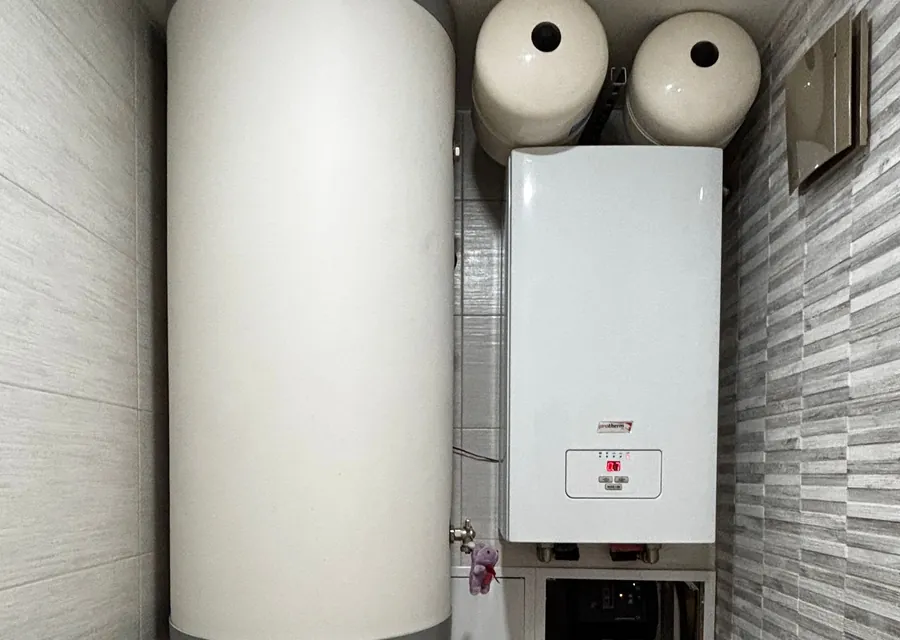
The boiler within a new heating system
When a full central heating installation is planned, the boiler choice follows from the system, not the other way round. We start with the house and how it is used, then decide which type of heat source suits it.
- Combi: heating plus instant hot water, no cylinder. Suits smaller homes with one bathroom.
- System boiler: sealed heating with a hot water cylinder, for homes with higher hot water demand.
- Regular (heat only): open vented system with loft tanks, sometimes kept where the existing pipework is designed around gravity feeds.
The size of the boiler should come from the heat loss figures for the rooms, not simply from whatever was there before. An oversized boiler cycles on and off, which wears it and wastes gas. The detail of boiler selection and fitting is covered on our boiler installation page; here, the point is that it is designed as part of the whole system.
Central heating installation
A new central heating installation usually happens for one of three reasons: the house has never had wet central heating (some flats and older properties rely on storage heaters or gas fires), the existing system is so old that patching it no longer makes sense, or the layout of the house has changed with an extension or loft conversion.
Design
We measure each room, note wall construction, glazing and insulation, and work out the heat each room needs. That sets radiator sizes and pipe sizes, and where each radiator goes, usually under windows or on the coldest wall.
Installation
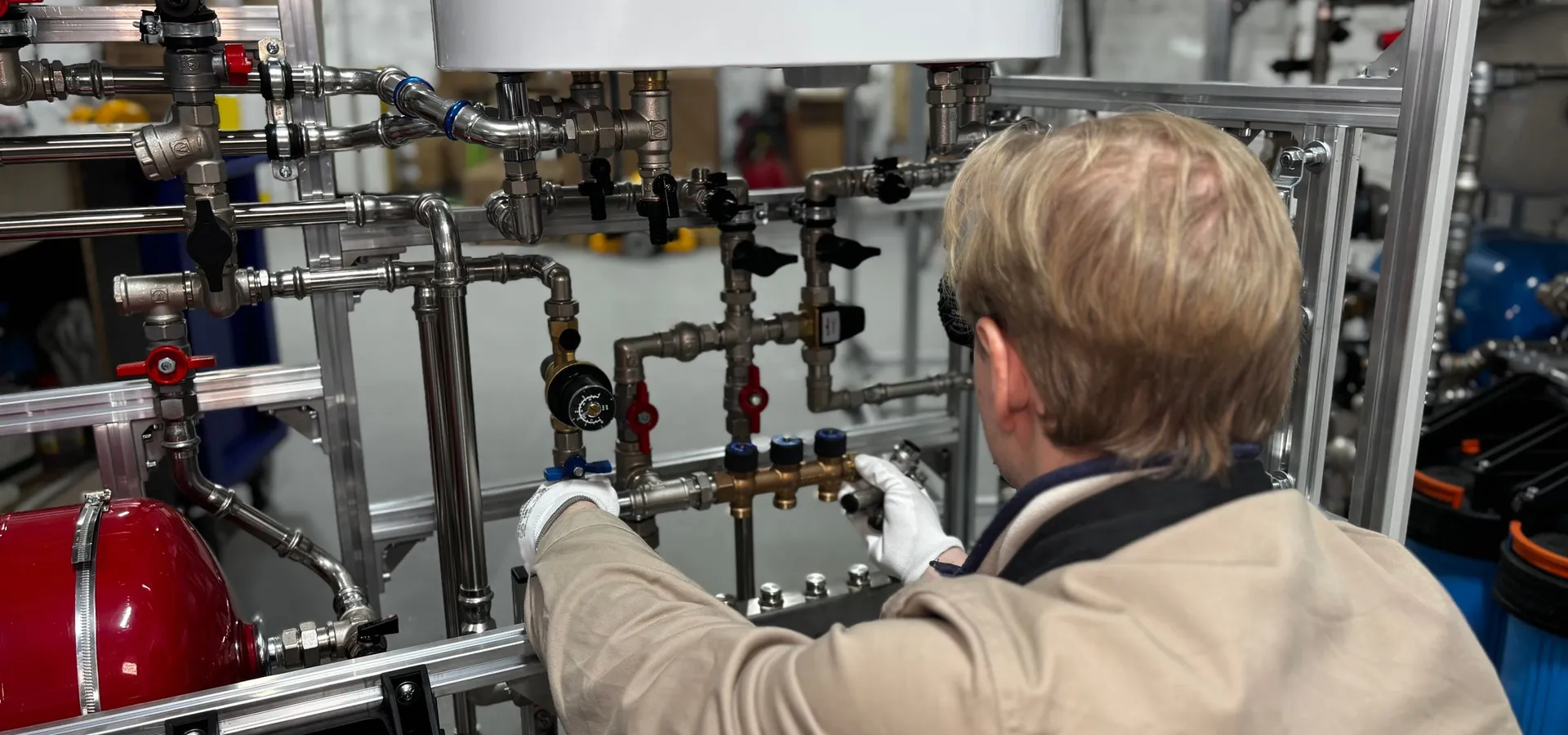
Pipework runs under floorboards where possible, with notches and drilling kept within safe zones for joists. Radiators are fitted with thermostatic valves, the system is filled, flushed, dosed with inhibitor and balanced so each room heats evenly. Controls go in last and are set up with you.
Central heating repairs
Central heating repairs are often system faults rather than boiler faults. The boiler fires, but the heat does not arrive where it should. Common problems we trace include:
- A seized or failing circulating pump, so the boiler overheats and locks out.
- A stuck motorised zone valve, leaving heating or hot water on or off regardless of the programmer.
- Sludge and magnetite blocking radiators and narrow microbore pipes.
- An unbalanced system, where radiators nearest the boiler run hot and the far ones stay cool.
- Faulty room thermostats, wiring centres or wireless receivers.
We test the system from the boiler outwards: flow and return temperatures, pump operation, valve positions and control signals. That tells us whether the fault sits in the boiler or in the circuit around it, and saves replacing parts that were working fine.
Keeping the system in good order
Once a system is installed, the heating circuit needs its own care alongside the boiler. The boiler should have an annual boiler service, but the water in the pipes matters just as much.
- Inhibitor: a chemical dose that slows internal corrosion of steel radiators. It is depleted over time and should be tested and topped up.
- Magnetic filter: fitted on the return near the boiler, it catches iron oxide before it reaches the heat exchanger. It needs emptying periodically.
- System pressure: on sealed systems, the gauge should stay steady. Frequent topping up points to a leak or a failing expansion vessel.
- Bleeding and balancing: air build up and poorly set lockshield valves cause uneven heat.
Small checks like these keep a new system running as it was designed and stop sludge building up in the first place.
Urgent heating faults and what to do meanwhile
Losing heating in cold weather is urgent, especially with young children or older relatives in the house, and urgent jobs are prioritised. Before anyone arrives, a few checks sometimes get the heating going again, or at least tell us more:
- Check the boiler pressure gauge. If it has dropped on a sealed system, repressurise using the filling loop following the boiler instructions.
- Check the programmer and room thermostat are calling for heat, and that batteries in wireless stats are not flat.
- In freezing weather on a condensing boiler, a frozen condensate pipe is a common cause of lockout. Pouring warm (not boiling) water over the outside section can thaw it.
- If radiators are leaking, isolate them by closing both valves.
If you smell gas, do not try any of this. Leave the property, and call the national gas emergency number.
Gas safety law and heating work
In the UK, any work on gas appliances or gas pipework must by law be carried out by a Gas Safe registered engineer. That includes connecting a boiler, altering the gas supply to it and commissioning it. You can ask to see an engineer's Gas Safe ID card, check which categories of work it covers, and look them up on the Gas Safe Register.
Much of a central heating system is water pipework, radiators and electrical controls, which are not gas work in themselves. But where a job touches the boiler or gas supply, the law is clear. There are other rules too:
- A new or replacement boiler must be notified to building control, and you should receive a certificate confirming it.
- Building Regulations set requirements for heating controls, such as a programmer, room thermostat and TRVs, when a system is installed or a boiler replaced.
- Electrical work on controls must meet the wiring regulations.
Areas and property types covered
Birmingham's housing is a patchwork, and each type brings its own heating challenges.
- Victorian terraces and back-to-backs: solid walls, high ceilings and suspended timber floors. Radiators need to be sized generously, and pipework usually runs under floorboards.
- 1930s semis: often on older open vented systems with a loft tank and a cylinder. Many are converted to sealed systems during upgrades.
- 1950s and 1960s housing: frequently has microbore pipework, which is prone to sludge blockages and may need partly replacing.
- Larger homes in Edgbaston and Sutton Coldfield: benefit from zoning, so upstairs and downstairs, or an extension, can be controlled separately.
- City centre apartments: may be on communal systems where individual work is limited to the flat's own circuit.
We plan the system around the building you actually have.
How it works
How a central heating installation runs
The same four stages apply whether it is a whole house or an extension.
- 01
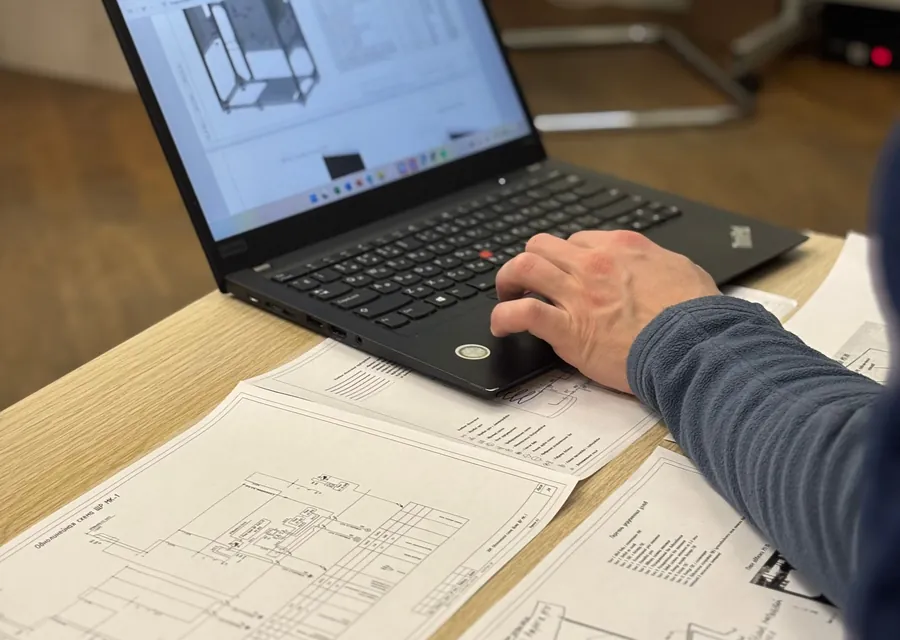
Survey and heat loss
We measure each room, note wall types, windows and insulation, and work out the heat each space needs. We also look at existing pipework and what can sensibly be reused.
- 02
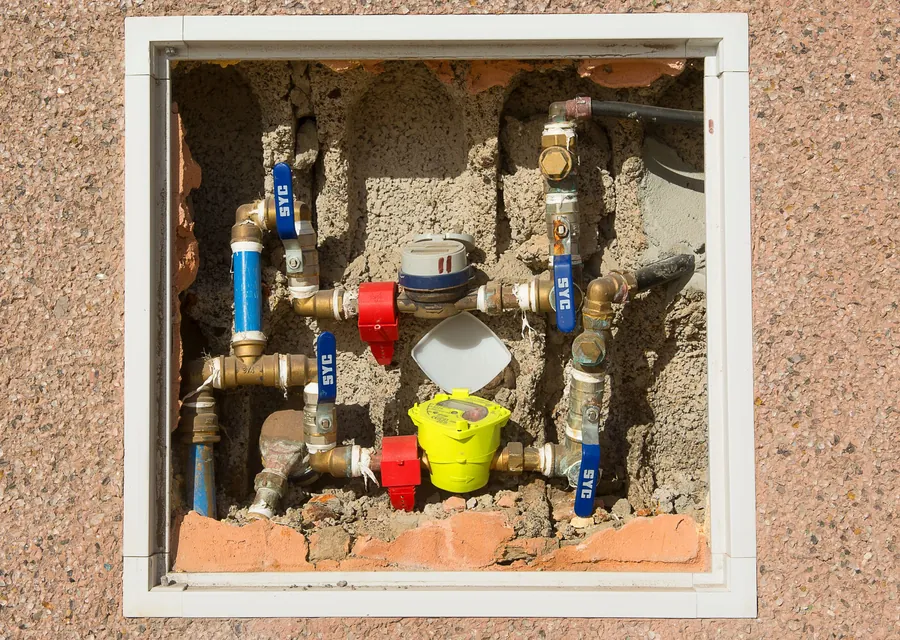
Design and quote
You get a plan showing radiator positions and sizes, pipe routes, boiler type and the controls proposed, with a written price for the work as agreed.
- 03
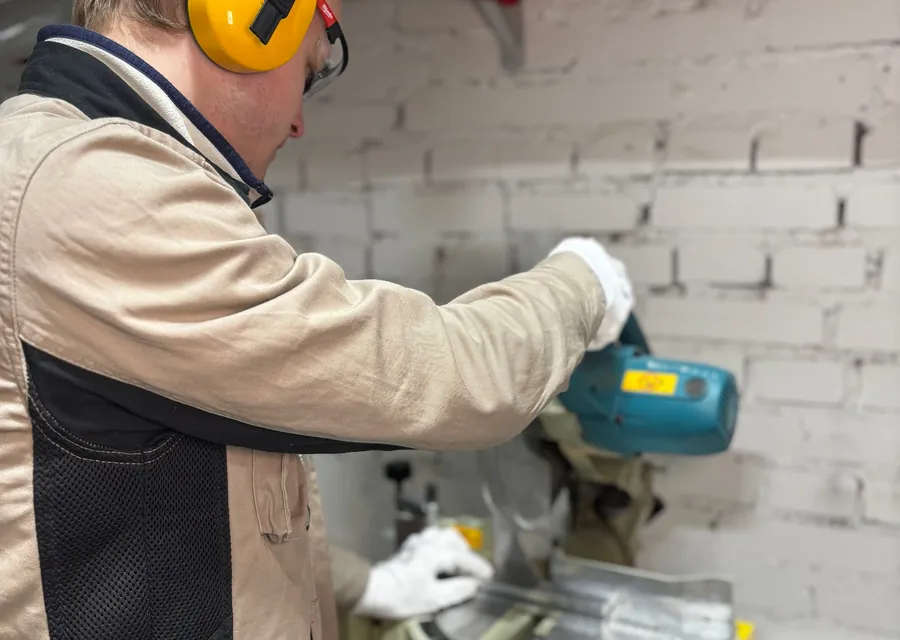
Install and fill
Pipework and radiators go in first, then the boiler connection and controls. The system is filled, flushed clean, dosed with inhibitor and checked for leaks.
- 04
Balance and hand over
We balance the radiators so every room heats evenly, set up the controls with you, and hand over the paperwork, including any building control notification.
Planning new central heating or fixing old?
Tell us about the house and the heating you have now, and we will explain the options.
Gallery
Central Heating Installation: the kind of work involved
Four photographs from the wider gallery on the home page. Tap any one to open it full size.
Areas covered
Central heating work across Birmingham
We install and repair central heating across Birmingham, including Harborne, Kings Heath, Northfield, Bournville and Sutton Coldfield, and in towns around the city such as Solihull, West Bromwich, Halesowen and Walsall. Older terraces, inter war semis and modern flats each get a system planned around how they are built.
- Aston
- Hockley
- Smethwick
- Washwood Heath
- Acocks Green
- West Bromwich
- Castle Vale
- Oldbury
- Bartley Green
- Shirley
- Halesowen
- Solihull
- Sutton Coldfield
- Chelmsley Wood
- Wednesbury
- Streetly
Related services
Jobs that often go with this one
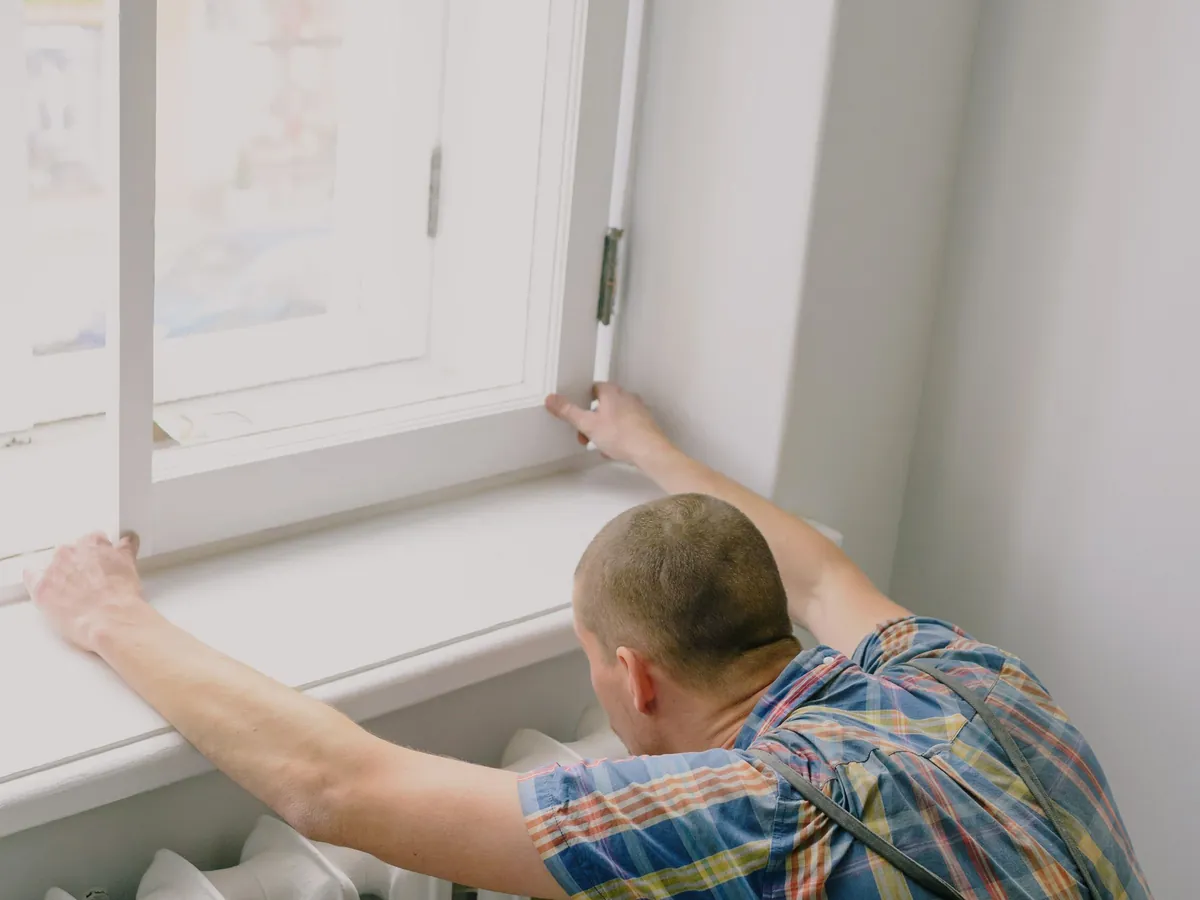
Radiator Repair and Replacement
Leaking valves, cold spots and tired radiators sorted, or swapped for new ones sized to the room.
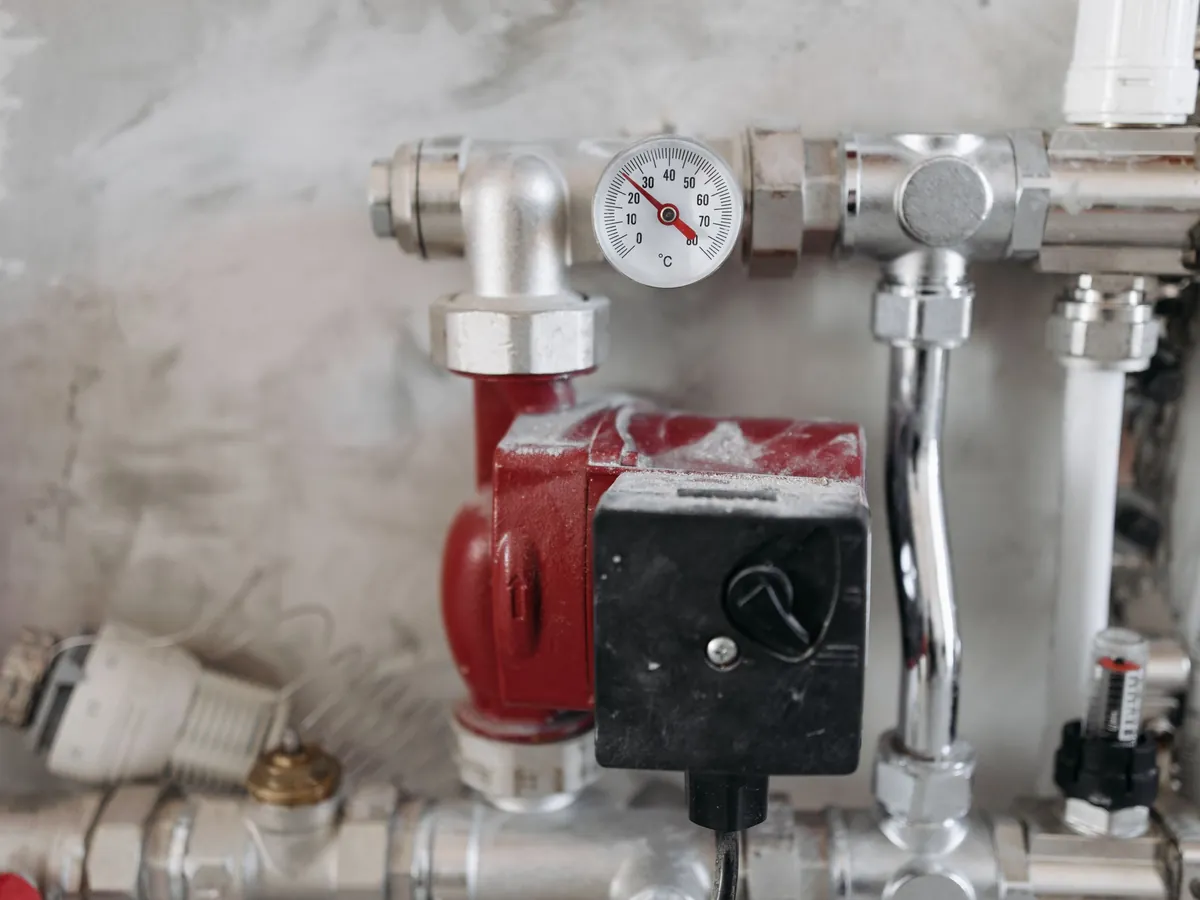
Power Flushing
Sludge and magnetite pushed out of radiators and pipework so heat reaches every room again.
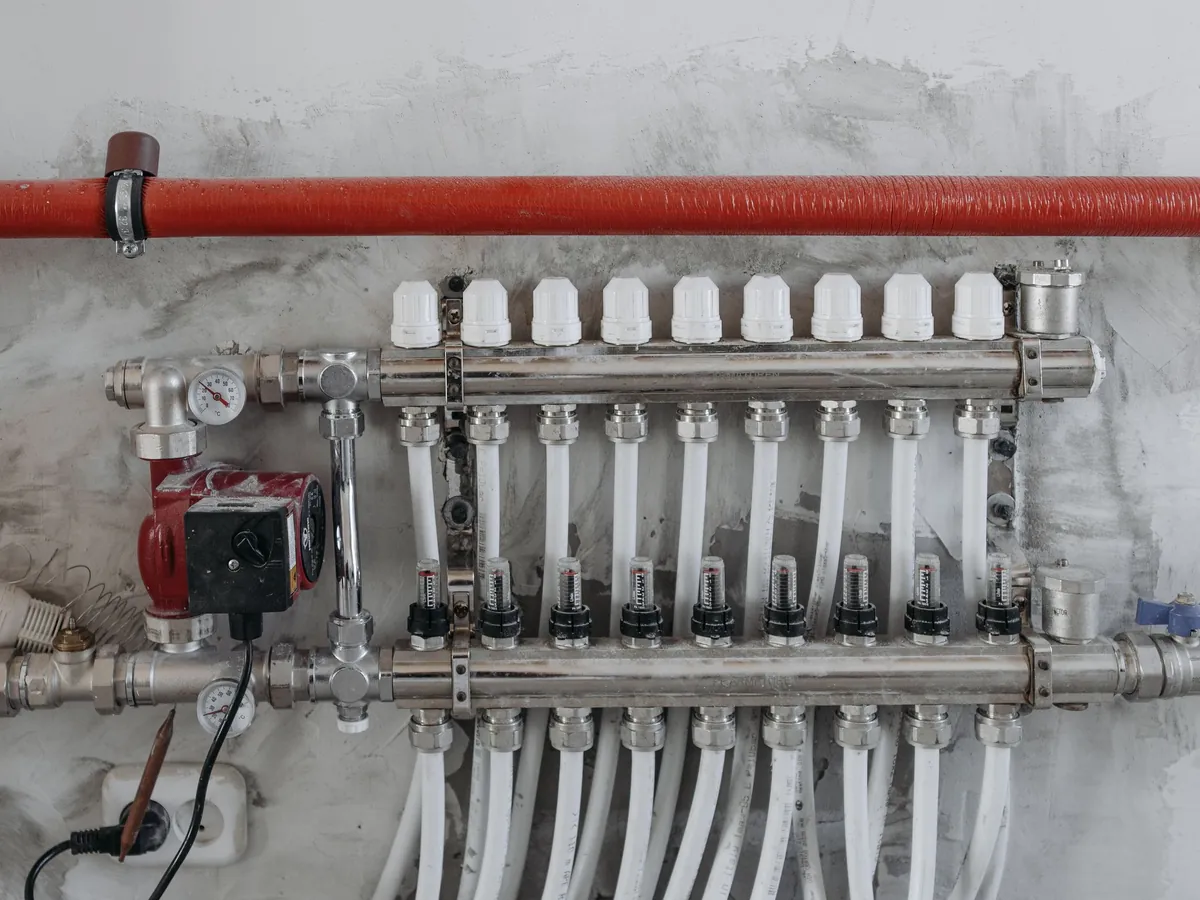
Underfloor Heating
Wet and electric underfloor systems laid, connected to the manifold, and repaired when a zone stays cold.
Questions
Central Heating Installation: questions people ask
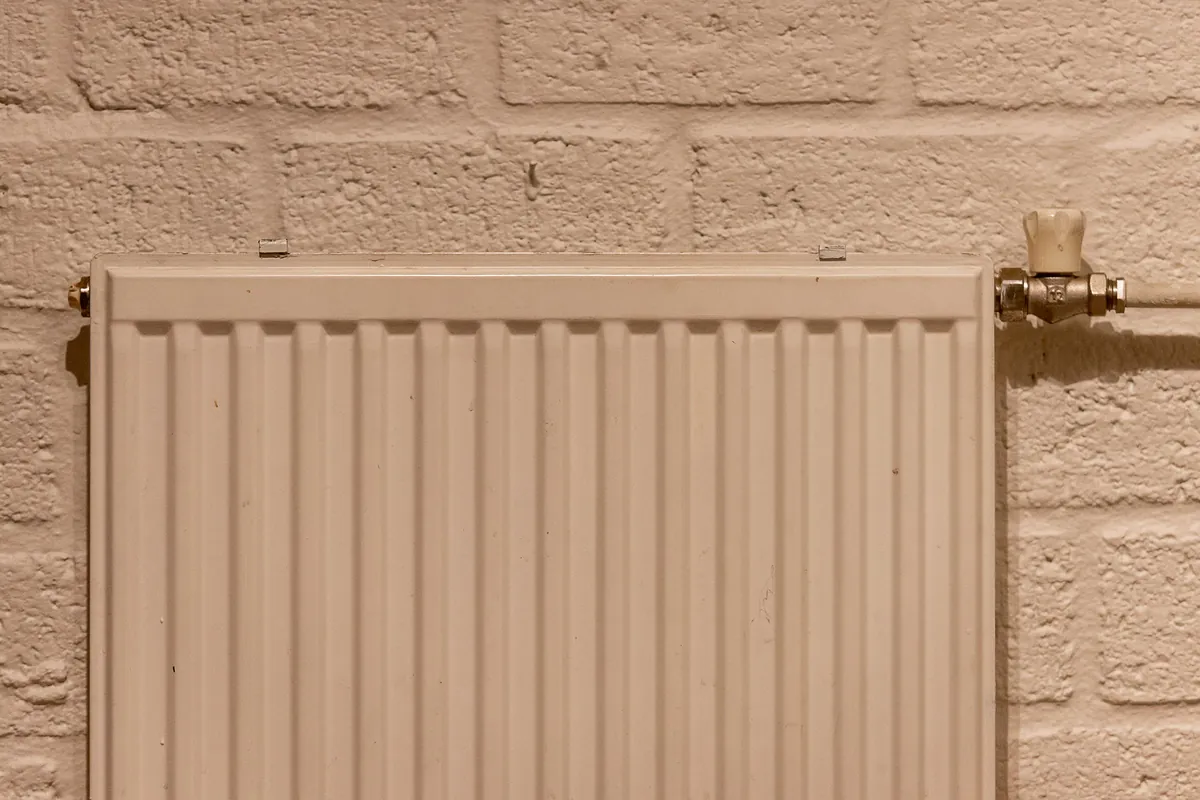
Can you add radiators to my existing system?
Usually, yes. We check that the boiler has enough output for the extra load, that the pipework nearby is large enough to feed another radiator, and that the pump can cope. If you are adding an extension or loft room, it may be better to put that area on its own zone so it can be controlled separately.
Do I need to replace all my pipework for a new boiler?
Not necessarily. Sound copper pipework in standard sizes can often be reused after a thorough clean. Microbore pipes clogged with sludge, pipes with repeated leaks, or layouts that leave rooms underheated are more likely to need replacing. We assess this during the survey rather than assuming either way.
How disruptive is a full central heating installation?
There will be floorboards lifted, some furniture moved and the heating off during the changeover. We work room by room where we can, cover floors, and put boards back as we go. In occupied homes we plan the work so you are without heating for as short a time as the job allows.
Why are some of my radiators hot and others barely warm?
The usual causes are an unbalanced system, trapped air, or sludge sitting in the bottom of radiators. If a whole floor is cold, a zone valve or pump fault is more likely. Balancing means adjusting the lockshield valves so hot water is shared evenly around the circuit, rather than taking the shortest route back to the boiler.
What controls should a new system have?
As a minimum, a timer or programmer, a room thermostat, and thermostatic radiator valves on most radiators, plus a cylinder thermostat if you have stored hot water. Larger houses benefit from separate zones for different floors. Smart thermostats are an option if you want to control the heating from your phone.
Quick Quote Online
Ask for a quote on your central heating
Tell us the type of house, roughly how many rooms, what heating you have now and whether you are replacing, extending or repairing it.
- A written price before any work starts
- Plumbing, heating, drains and bathrooms from one place
- Birmingham and the towns around it