Urgent plumbing help
Emergency Plumber in Birmingham
Water coming through a ceiling, a pipe split in the loft or no way to stop a toilet overflowing. Emergency plumbing work across Birmingham, with urgent jobs prioritised and clear steps to limit the damage first.
- Urgent jobs are prioritised when booked
- Isolate first, then make safe, then repair
- Temporary fixes explained before any permanent work
What people say after an urgent plumbing callout
What the work involves
Most plumbing emergencies are about one thing: water going where it should not, quicker than you can mop it up. The first job of any emergency plumber is to stop the flow, protect the electrics and work out what failed. Only then does it make sense to talk about a proper repair. We work across the city and the towns we cover around Birmingham, from Victorian terraces to city-centre flats.
Not every emergency is obvious. A slow drip behind a kitchen unit or a damp patch spreading across a ceiling can do more harm over a week than a loud burst does in an evening. If you can see the damage but not the source, tracing a hidden leak may be the right starting point. Either way, the steps on this page will help you keep things under control until we arrive.
Emergency plumbing callout: what counts as urgent
An emergency is anything that is causing damage now or will make the home unsafe or unusable if it is left. In practice that means escaping water you cannot stop, water near electrics, sewage backing up, or the only toilet in the house out of action. Loss of all heating in cold weather is urgent for elderly people, babies and anyone unwell.
- A burst or split pipe, including in the loft or under floorboards
- A leak coming through a ceiling or light fitting
- A toilet or cistern that will not stop running or overflowing
- A stopcock that will not turn off, or that is leaking itself
- No hot water or heating in a vulnerable household
A dripping tap, a slow-draining basin or a noisy pipe is worth sorting, but it can usually wait for a normal booking. When you use Quick Quote, tell us which group your problem falls into so the job can be prioritised properly.
Urgent callouts and what to do while you wait
Urgent jobs are prioritised, but the minutes before a plumber arrives matter. What you do now decides how much ceiling, flooring and plaster needs replacing later.
Stop the water
Turn off the internal stopcock. In Birmingham terraces it is usually under the kitchen sink, but in older houses it can be in a cellar, under the front room floorboards or behind a panel near the front door. Turn it clockwise. If it is stiff, do not force it with a wrench, as old brass spindles snap. If there is a cold water tank in the loft, closing the gate valve on its outlet stops the stored water too.
Make the area safe
If water has reached light fittings or sockets, switch off the electricity at the consumer unit and keep away from wet switches. Open the hot taps and flush toilets to drain what is left in the pipes, move valuables, and put a bucket under a bulging ceiling rather than letting it collapse on its own.
Burst pipes, leaks and water shut-offs
Pipes burst for a handful of reasons. Frozen water in lofts, garages and outside walls expands and splits copper or pushes joints apart. Old compression fittings work loose over years of expansion and contraction. Push-fit joints can let go if a pipe was not cut square or fully inserted. In older properties around Moseley and Kings Heath, lead or galvanised iron pipework may simply have reached the end of its life.
Once the water is off we find the failure, cut out the damaged length and join in new pipe, usually copper with soldered or compression fittings, or plastic where that suits the run. If the stopcock is seized or leaking we can replace it so you have a valve that actually works next time. Flats bring their own problems: in tower blocks such as those in Nechells and Newtown, the fault may sit on a shared riser, which means working with the building's management to isolate a whole stack rather than one home.
Boiler, heating and hot water emergencies
A boiler that has stopped is not always a boiler that needs a part. Before booking, check the pressure gauge on the front. Most sealed systems want to sit a little above 1 bar when cold. If it has dropped towards zero the boiler will lock out, and something in the system, often a radiator valve or the pressure relief valve, is losing water.
- Water dripping from the copper pipe under the boiler usually points to the pressure relief valve or a failed expansion vessel
- A frozen condensate pipe, the plastic pipe running outside, causes lockouts in cold snaps and can be thawed with warm, not boiling, water
- A leaking hot water cylinder in an airing cupboard needs the cold feed isolating straight away
If you smell gas, do not touch the boiler. Turn off the gas at the meter, open windows, avoid switches and call the national gas emergency line printed on your gas bill. Gas work by law needs a Gas Safe registered engineer. For faults that are not a gas escape, our boiler repair page explains what happens next.
Common emergency repairs and temporary fixes
Sometimes the right answer at an emergency visit is a temporary repair. A pipe clamp over a pinhole, a capped-off feed to a leaking appliance, or an isolated radiator lets you have water and heating back while the proper part is ordered or the damage dries out. We always say clearly when a fix is temporary and what the permanent job involves.
The repairs we meet most often on urgent visits are:
- Split pipes replaced with a new section and fittings
- Failed ball valves and fill valves in cisterns and loft tanks
- Leaking waste traps and cracked pan connectors behind toilets
- Weeping washing machine and dishwasher hoses or valves
- Seized stopcocks swapped for new ones
On an old Victorian pipe run, replacing one joint in a hurry can strain the next one along, so a safe hold and a planned wider repair is often the better choice.
How emergency work is priced
Emergency work is priced on what the job actually involves, and we explain the basis before any work starts. Several things push the cost up or down:
- When the visit happens, as evenings, weekends and bank holidays cost more than a booked weekday slot
- How easy the leak is to reach, for example an exposed pipe under a sink compared with one buried in a floor screed
- Whether parts are carried on the van or have to be sourced
- Whether a temporary make-safe is enough tonight, with the full repair booked later
Making safe and booking the permanent repair for a normal working day is often the more sensible route. It stops the damage straight away but means the bigger job is done without out-of-hours charges. If your home insurance might cover the damage, a written note of what we found and what we did can help when you make a claim.
What you can expect from an emergency visit
The visit follows the same order every time, because it is the order that limits damage. First we confirm the water is isolated and the area is safe, including checking whether electrics have been affected. Then we find the actual cause, which is not always where the water appears; water travels along joists and pipes before it drips.
Once the cause is clear, you get a plain explanation of the options. That might be a permanent repair there and then, a temporary repair with a follow-up, or advice to bring in another trade such as an electrician if sockets or fittings got wet. We test the repair under normal pressure, restore the water supply, and check for other weak joints on the same run.
Before we leave you will know what was done, what was replaced and whether anything else needs watching.
How it works
How an emergency callout works
From the moment you get in touch to the water going back on.
- 01
Tell us the problem
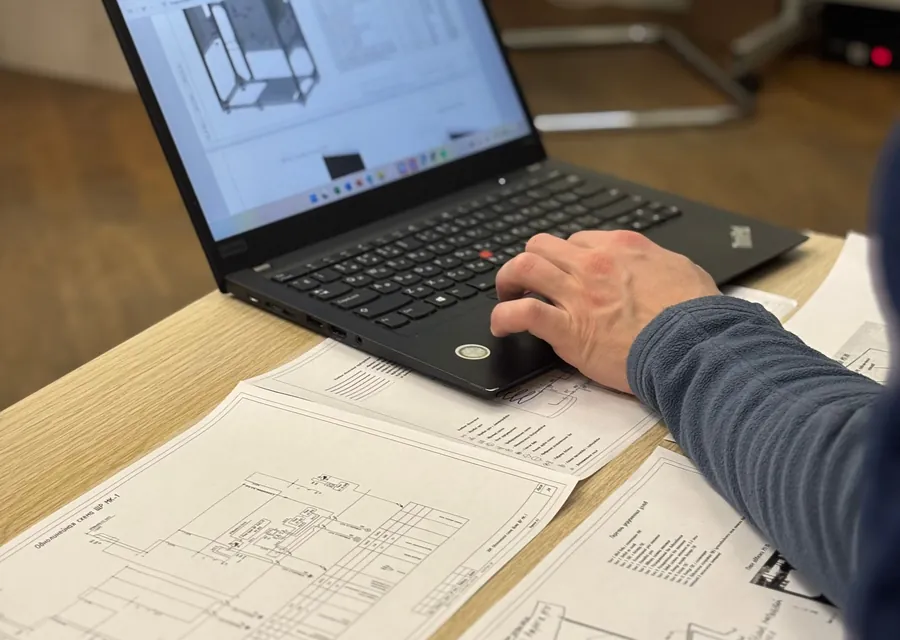
Use Quick Quote Online to describe what is leaking or failed and whether you have managed to turn the water off. We use that to prioritise the job and to talk you through safe steps.
- 02
Isolate and make safe
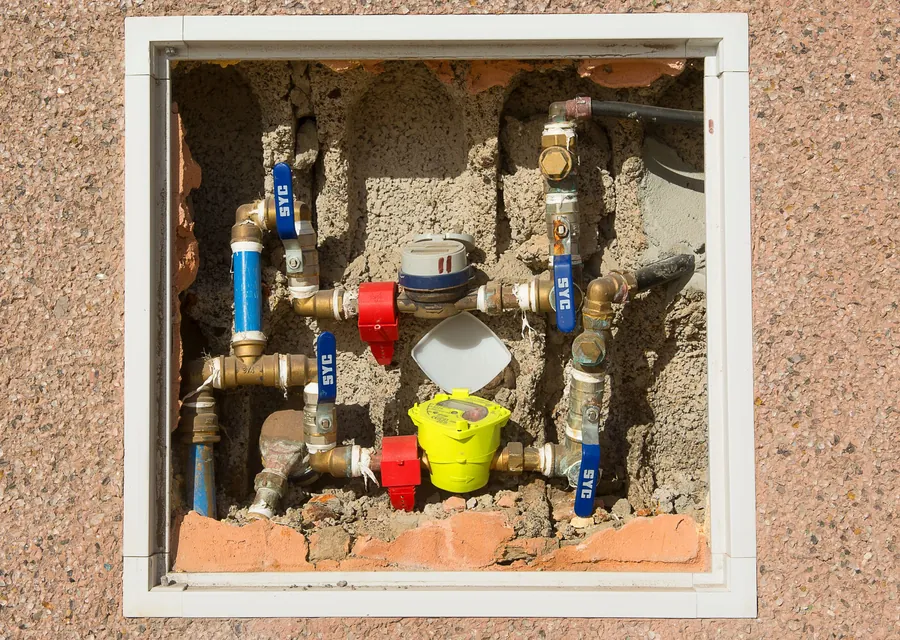
On arrival we confirm the supply is off, check for water near electrics and stop any further damage. If the stopcock has failed we isolate at the outside valve where possible.
- 03
Find the cause
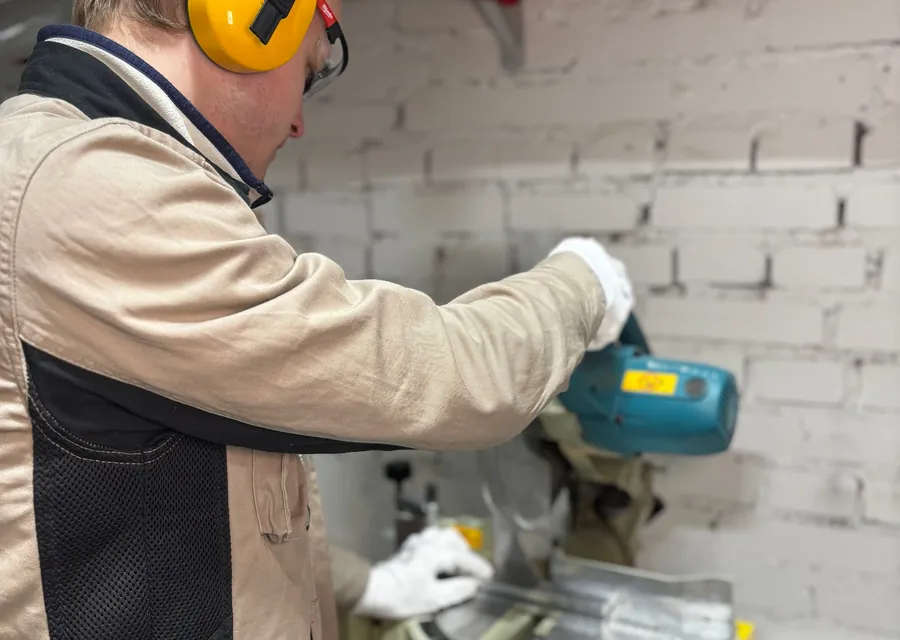
We trace the water back to the actual failure, which is often some way from the stain or drip. You get a clear explanation and the options before any repair begins.
- 04
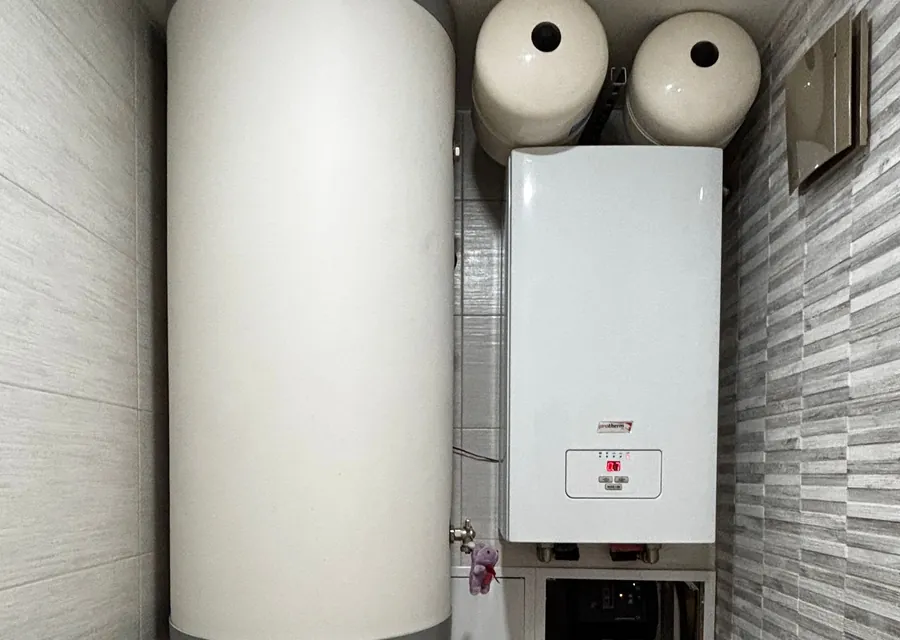
Repair and test
We carry out a permanent or temporary repair, restore the supply, test the joint under pressure and check the surrounding pipework. You are told plainly if anything needs a follow-up visit.
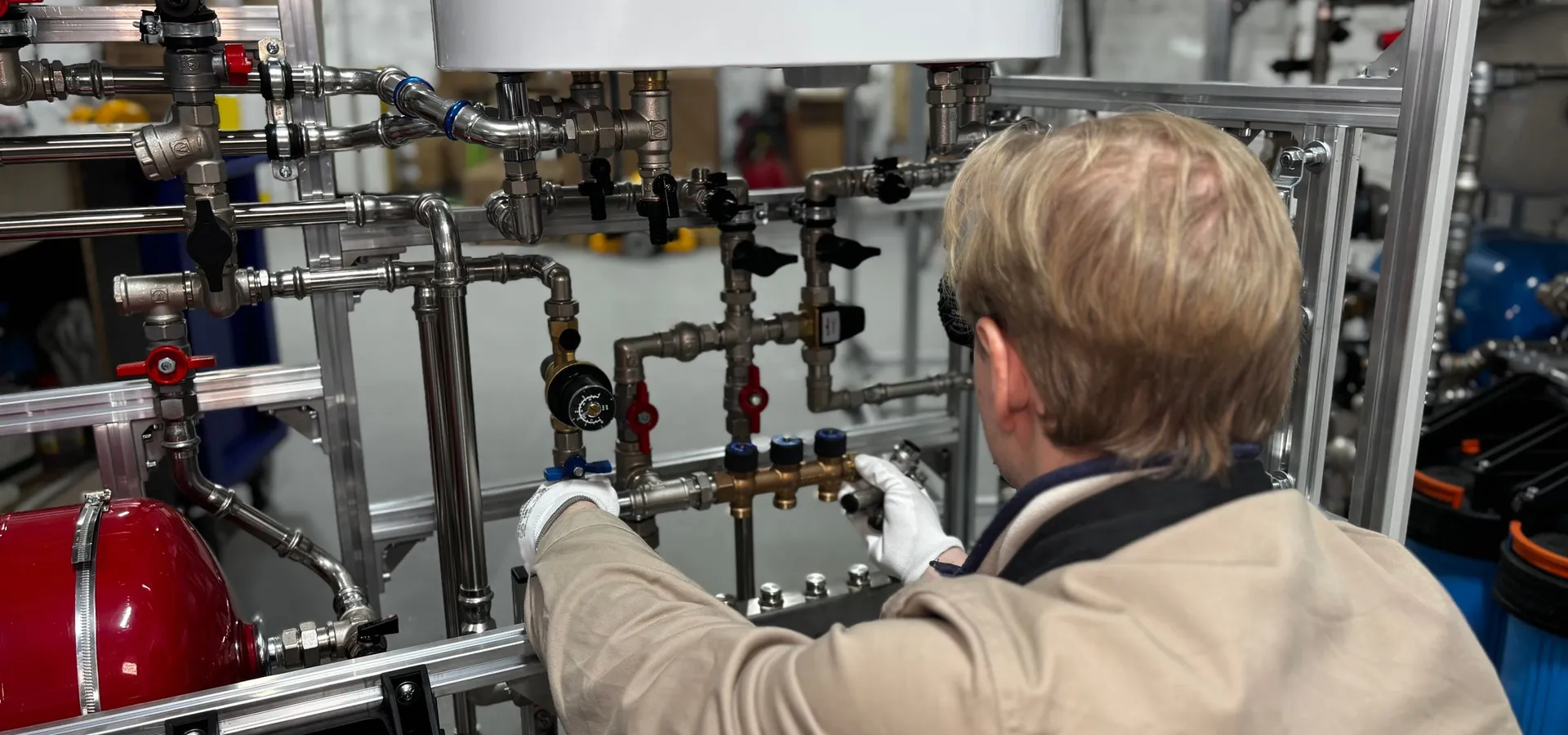
Water where it should not be?
Send the details through Quick Quote Online and urgent jobs are prioritised.
Gallery
Emergency Plumber: the kind of work involved
Four photographs from the wider gallery on the home page. Tap any one to open it full size.
Areas covered
Emergency plumbing across Birmingham
We cover Birmingham and the surrounding towns, including Solihull, Sutton Coldfield, West Bromwich, Smethwick, Halesowen, Dudley and Walsall. Homes range from back-to-back terraces with cellar stopcocks to tower blocks with shared risers, and an emergency visit is planned around the type of property you live in.
- Aston
- Hockley
- Smethwick
- Washwood Heath
- Acocks Green
- West Bromwich
- Castle Vale
- Oldbury
- Bartley Green
- Shirley
- Halesowen
- Solihull
- Sutton Coldfield
- Chelmsley Wood
- Wednesbury
- Streetly
Related services
Jobs that often go with this one
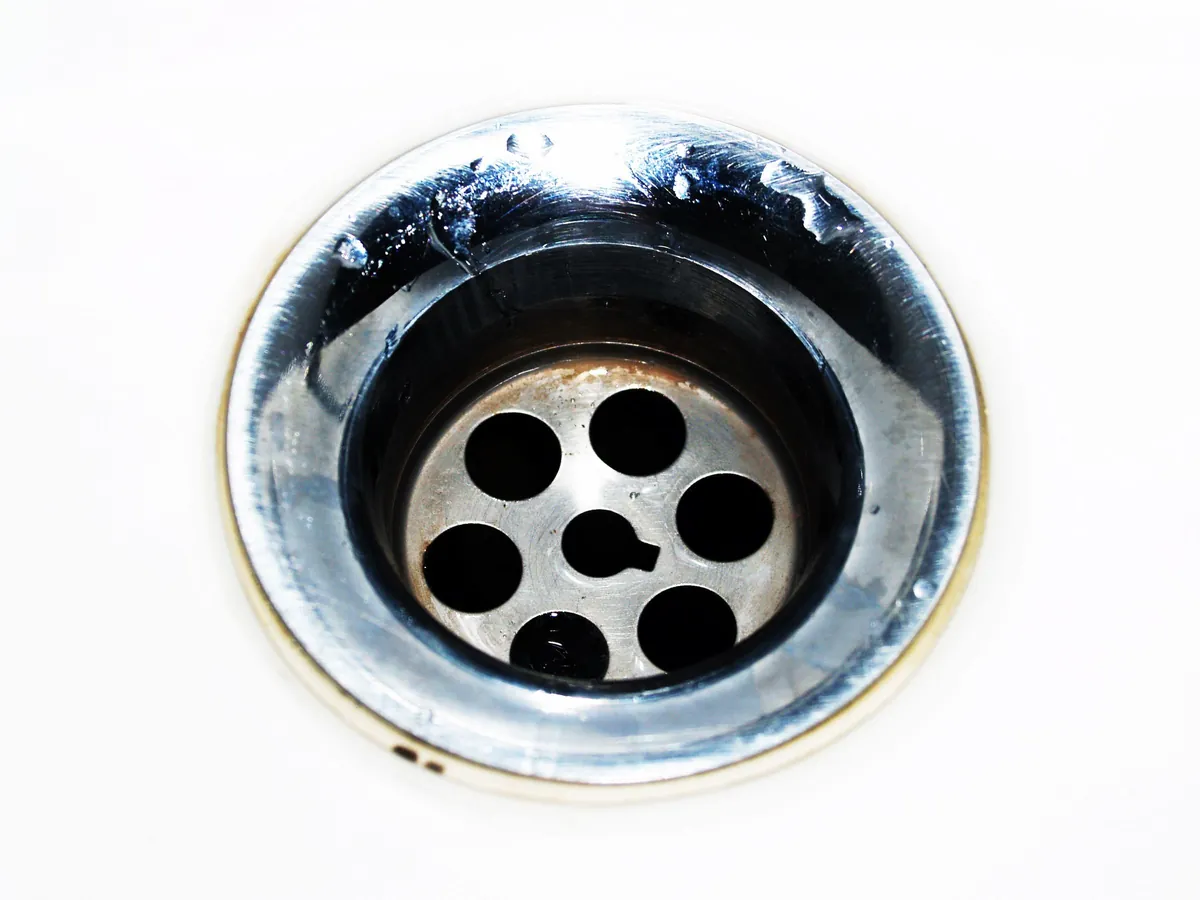
Drain Unblocking
Slow sinks, backed-up gullies and toilets that will not clear, rodded or jetted and checked before we leave.
Plumber
Taps, toilets, showers, stopcocks, pipework and the everyday jobs that stop a house working properly.
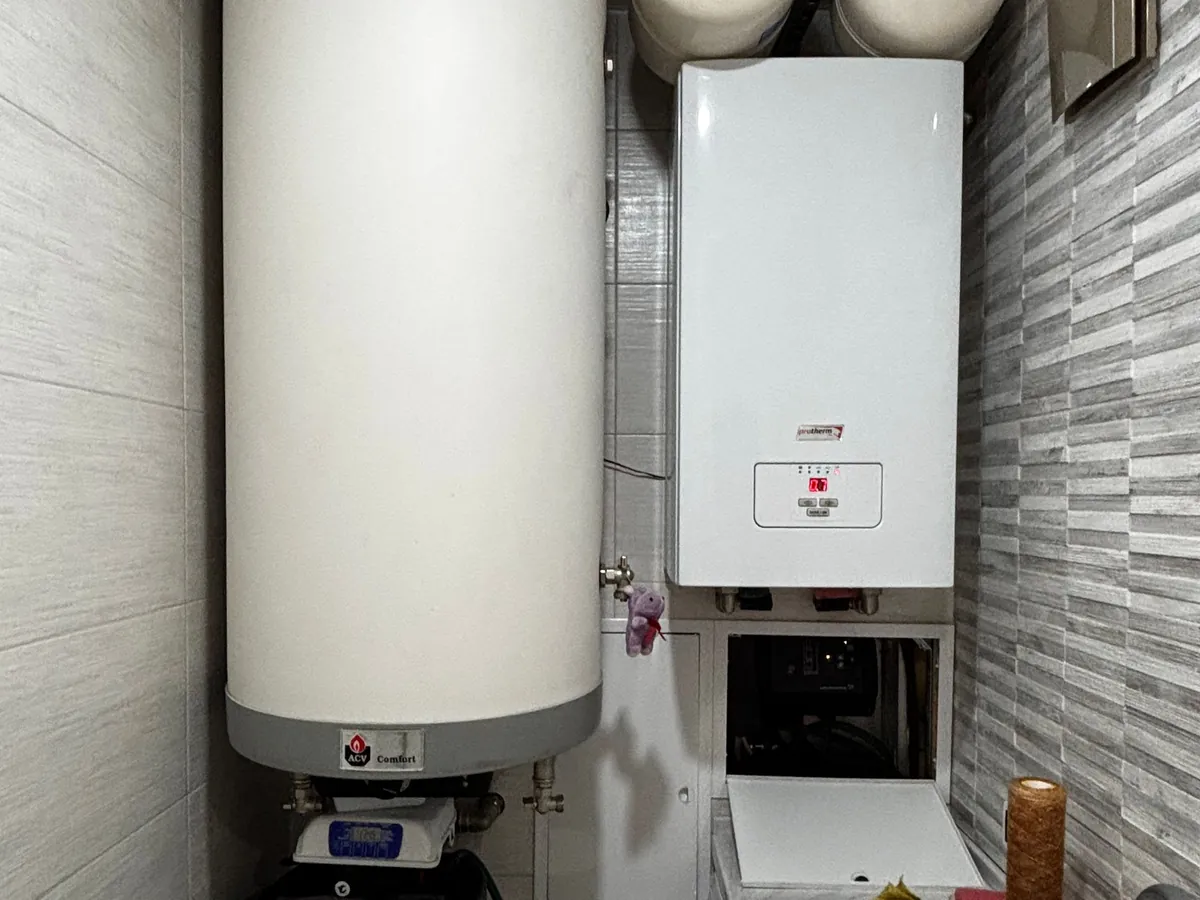
Hot Water Cylinder
Vented and unvented cylinders repaired, replaced and upgraded, from the immersion to the pressure relief valve.
Questions
Emergency Plumber: questions people ask
I cannot find my stopcock. Where should I look?
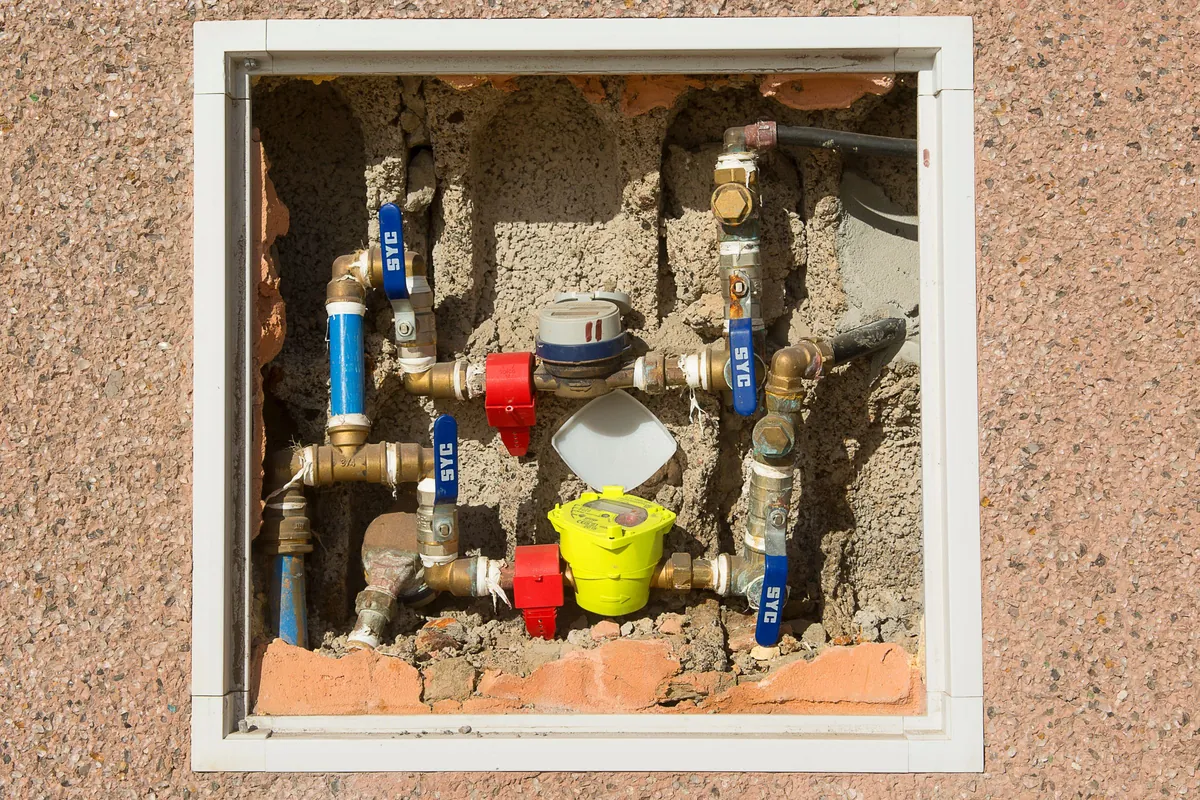
Start under the kitchen sink, as that is where it is in most Birmingham houses. If not, check a cellar, under the stairs, in a downstairs toilet or under the floorboards just inside the front door. In flats it may be in a cupboard near the entrance or in the bathroom. There is also an outside valve under a small cover in the pavement, which usually needs a long key.
Should I turn the boiler off if a pipe has burst?
Yes, turn the boiler off at its switch if a heating pipe has burst or if the boiler is losing pressure. With the mains water off, a combi will not be able to heat water anyway. If a hot water cylinder or heating pipe is leaking, turning the boiler and immersion heater off stops hot water adding to the problem.
Water is coming through my ceiling from the flat above. What can I do?
Switch off the electrics for the affected area, put containers down and try to get hold of your neighbour, as the stopcock for their flat is inside it. If you cannot reach them, contact the building manager or landlord, who may be able to isolate the supply to that flat or the riser. We can then trace and repair the leak once access is arranged.
Is a temporary repair safe to leave?
A properly fitted temporary repair is designed to hold for a short period, not for years. A pipe clamp or capped-off feed is fine while parts are ordered or the area dries out. We will tell you what the temporary repair is, what it is holding back and when the permanent job should be done.
My toilet will not stop running. Is that an emergency?
If water is only running into the pan it wastes water but will not flood the house, so you can isolate it at the small valve on the cistern feed and book a normal repair. If the cistern is overflowing onto the floor or through an overflow pipe that is not coping, turn that valve or the main stopcock off and treat it as urgent.
Quick Quote Online
Tell us what has gone wrong with your plumbing
Say where the water is coming from, whether you have turned it off and what type of property it is, house or flat.
- A written price before any work starts
- Plumbing, heating, drains and bathrooms from one place
- Birmingham and the towns around it