Blocked drains cleared
Drain Unblocking in Birmingham
A sink that will not empty, a toilet that rises when flushed or a manhole brimming in the yard. We find where the blockage sits, clear it properly and tell you why it formed.
- Sinks, toilets, gullies and main drains
- Rodding, jetting and camera surveys
- Advice on stopping the blockage coming back
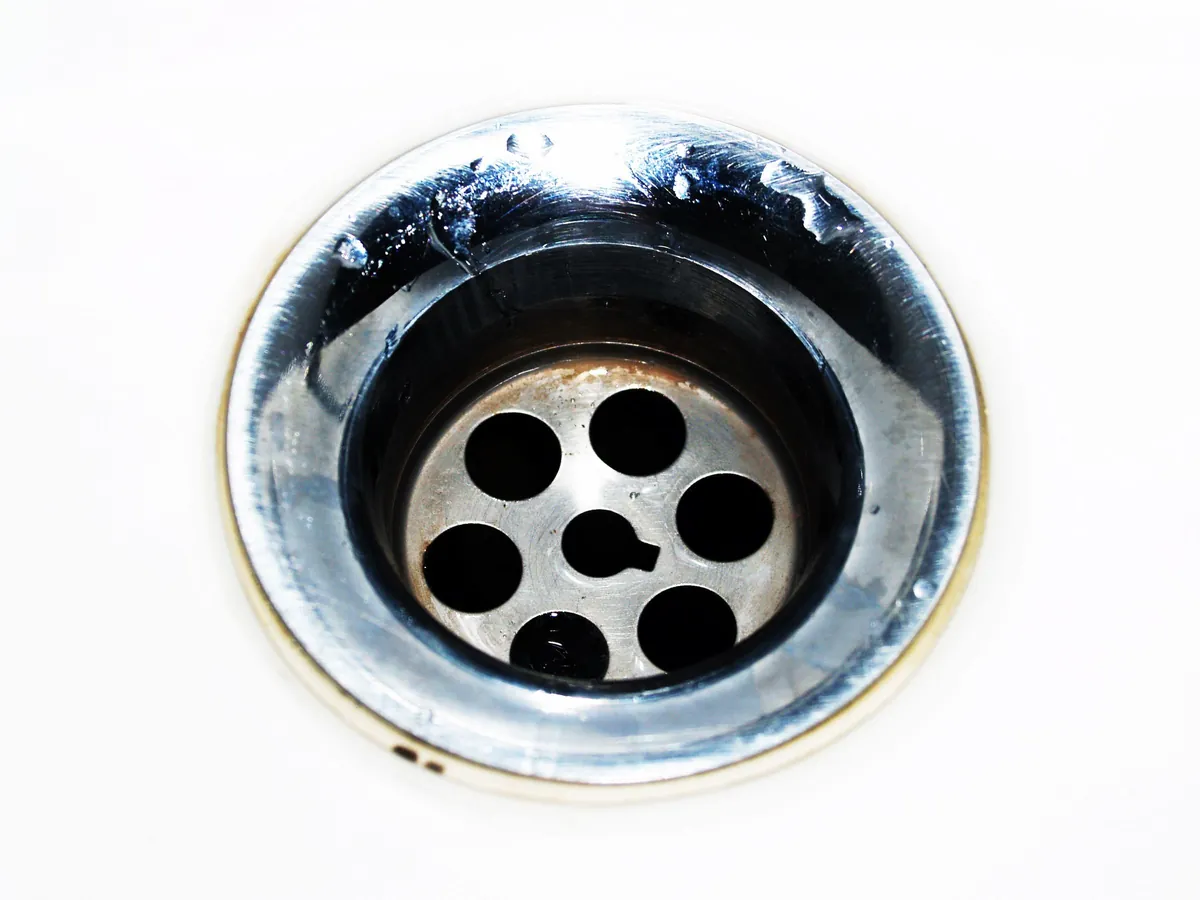
Blocked drains cleared across the city
What the work involves
A blocked drain rarely appears out of nowhere. Fat sets in the kitchen waste, wipes snag on a rough joint, roots push through a cracked clay collar, and one day the water stops moving. Drain unblocking is about more than punching a hole through the plug: it means finding the point of the blockage, clearing the full bore of the pipe and checking what caused it in the first place.
We clear drains in houses, flats and commercial premises across the city and the towns we cover around Birmingham. In the Victorian terraces of Kings Heath and Moseley, several houses often share one drain run at the back, so a blockage next door can back up into your gully. When a drain problem has flooded a kitchen or bathroom and needs attention straight away, our emergency plumbing callouts cover that too.
Urgent drain unblocking and what to do first
Sewage coming up through a shower tray, a toilet that will not flush, or a manhole overflowing across a patio are urgent. These jobs are prioritised, and there are a few things you can do before we arrive.
- Stop running water. Every flush, shower or washing machine cycle adds to what is backing up.
- Find the nearest inspection chamber (manhole cover) and lift it if you safely can. Full means the blockage is downstream; empty means it is between the chamber and the house.
- Keep children and pets away from dirty water and wash your hands after any contact.
- Do not pour caustic drain cleaner into a fully blocked pipe. It sits in the waste and makes the clearance hazardous.
Tell us what the chamber looked like when you book. It lets us bring the right rods, jetting kit and camera.
How the price of drain work is worked out
Drain jobs vary more than most plumbing work, so we agree the price once we know what is involved rather than guessing over the phone.
The main factors are:
- Where the blockage is: a sink trap is quick; a main drain under a driveway with no nearby chamber takes longer.
- Access: a buried or tarmacked-over inspection chamber has to be found and opened first.
- Method: hand rodding, machine rodding and jetting use different kit and time.
- What is causing it: fat, scale and roots need cutting heads, not just a push through.
- Whether a camera survey or a repair follows the clearance.
You hear the price before any work begins. If clearing the blockage reveals a broken pipe, we explain it and give options before doing anything more.
Blocked drains and sinks at home
Inside the house, most blockages sit close to where they show up. That makes them quicker to clear, as long as the cause is dealt with too.
Sinks, basins and baths
Kitchen sinks block with fat, coffee grounds and food scraps collecting in the trap and the first run of waste pipe. Basins and baths block with hair and soap scum. We strip and clean traps, rod the waste to the stack or gully, and look for waste runs with too little fall, which will keep silting up.
Toilets and soil pipes
Toilets block with wipes, sanitary products, cotton buds and too much paper at once. We clear the pan and soil branch with toilet augers or rods. If several fittings are slow at the same time, the problem is further down, in the soil stack or main drain, and that is where we go next.
Commercial drain clearance
Cafes, takeaways, salons, offices and shops put drains under a different kind of load. Kitchens send down fat, oil and grease which cools and sets on the pipe wall, while staff toilets see more wipes and paper towels than a house ever would.
- Kitchen waste lines and grease traps cleared and scraped
- Staff and customer toilets, urinals and hand wash basins
- Yard gullies and surface water drains blocked with silt and leaves
- Shared drains in shopping parades and mixed-use buildings
Where you cannot close, we plan the clearance around opening hours and tell you which facilities will be out of use and for how long. After the clearance we can point out what is feeding the blockage, whether that is a grease trap that needs emptying more often or a sink without a strainer, so the same drain is not blocked again a few weeks later.
Drain jetting and high-pressure cleaning
Rods push through a blockage. Jetting cleans the pipe. A high-pressure water jet fed through the drain with a rotating or forward-and-rear-facing nozzle scours the full bore, stripping away fat, scale and silt that rods leave behind.
Jetting is the right choice when:
- A drain keeps blocking in the same place after rodding.
- Fat or scale has narrowed the pipe along its length.
- Silt and grit have built up in a long, shallow run.
- A drain needs to be clean before a camera survey or a lining repair.
It is not always the answer. On old pitch fibre pipe, or clay pipe with broken sections, heavy jetting can do harm, so we check the pipe type and condition first and adjust the nozzle and pressure or use rods instead.
Drain repairs and CCTV diagnosis
If a drain keeps blocking, something is usually wrong with the pipe itself. A CCTV survey sends a camera down the drain from an inspection chamber or rodding eye and shows exactly what is there: roots through joints, a displaced collar, a cracked or collapsed section, or a belly where the pipe has sagged and holds water.
You see the footage, and we explain what it shows and where the fault is. A written summary of the findings can help if you decide to make a claim on your buildings insurance.
Drain repairs depend on what the camera finds. Root ingress and small cracks can often be sealed with a patch liner fitted from inside the pipe, so nothing is dug up. A collapsed section, or a pipe that has lost its fall, needs excavation and a new length laid. We also rebuild or replace damaged gullies and inspection chambers.
What causes blockages and how they're cleared
Most blocked drains come down to something going into the drain that should not, or a pipe that can no longer carry what it should.
- Wet wipes: sold as flushable, but they do not break down and they snag on joints.
- Fat and oil: liquid when hot, set solid once cold.
- Roots: tree and shrub roots find their way into old clay joints looking for water.
- Leaves and silt: wash into open gullies and yard drains.
- Structural faults: cracked or dropped pipe that catches waste.
Clearing starts at the chamber closest to the blockage. Drain rods fitted with a plunger, corkscrew or cutting head work through soft blockages. Machine rods with rotating cutters deal with roots and scale. Jetting cleans the pipe afterwards. We finish by running water through and checking each chamber flows freely before lids go back on.
Callouts and availability
Drain problems are booked by urgency. Anything involving sewage inside the property, a toilet that is the only one in the house, or a commercial kitchen that cannot trade goes to the front of the queue. Slow-running sinks and gullies that are still draining are booked at a time that suits you.
A few things help us plan the visit:
- Which fittings are affected, and whether it is one or several
- Whether you have found and lifted an inspection chamber
- Whether the drain is shared with neighbours
- Any history of the same drain blocking before
A note on responsibility: drains serving only your property are yours. Once a pipe serves more than one property, or runs beyond your boundary, it is generally the water company's responsibility. If the camera shows the fault is on their section, we tell you so you can report it to them.
How it works
How a drain gets cleared
Every drain job follows the pipe from the problem back to its cause.
- 01
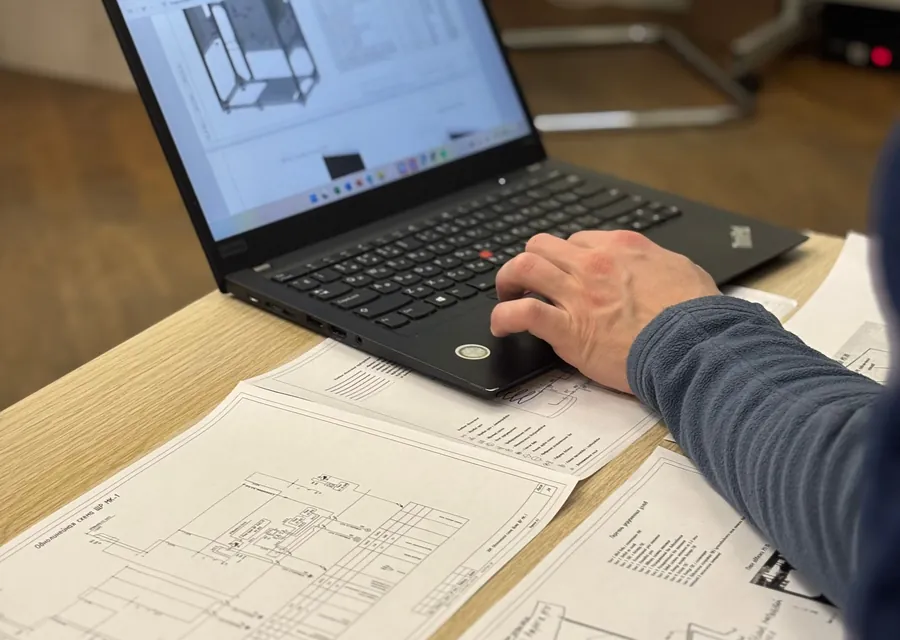
Locate the blockage
We lift inspection chambers and check which are full and which are empty. That tells us which length of pipe the blockage is in before any rods go down.
- 02
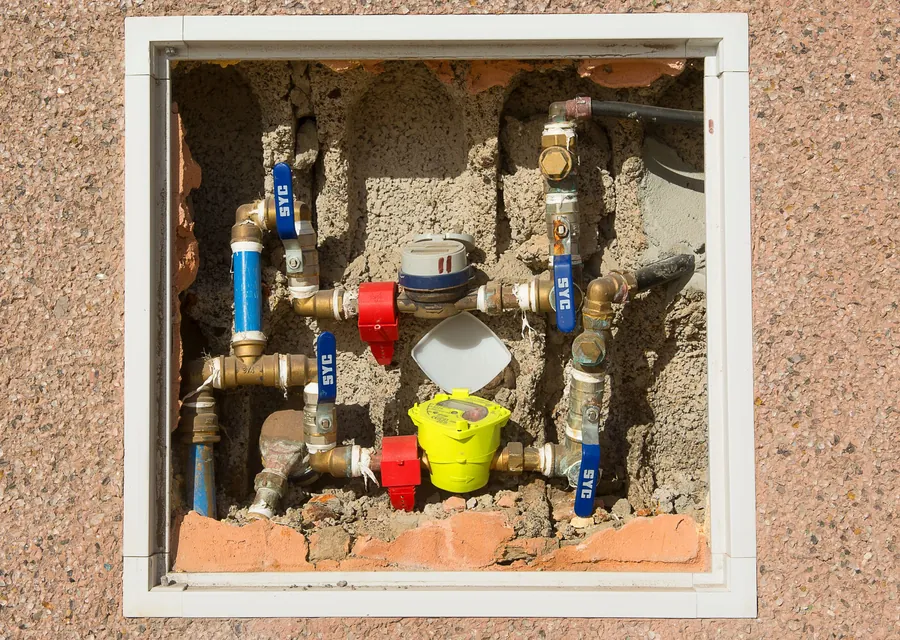
Clear the drain
Rods, machine cutters or a jetter are used to suit the pipe and the blockage, working from the nearest chamber or rodding eye to avoid dragging waste through the house.
- 03
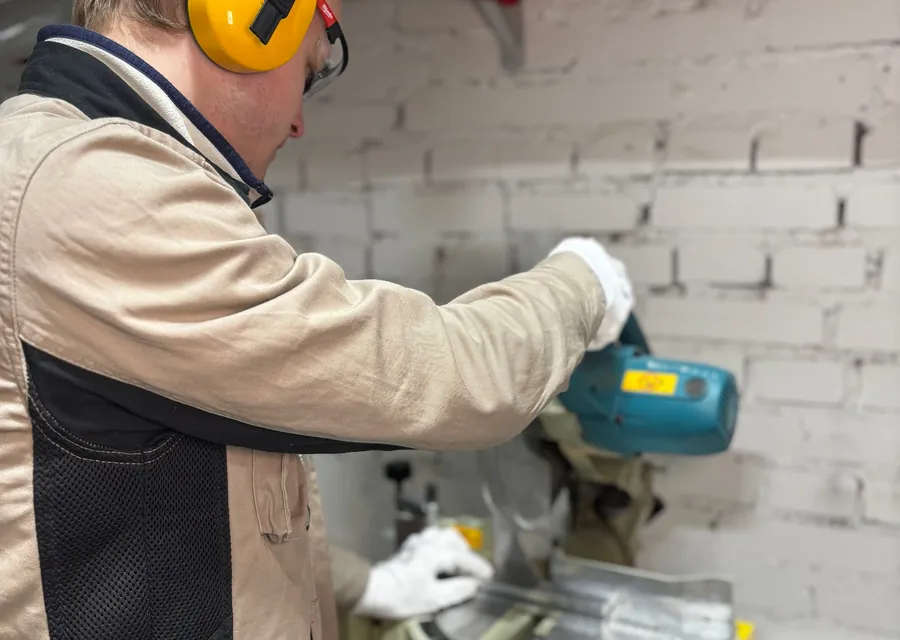
Test the flow
Water is run through every fitting that uses the drain and each chamber is checked to make sure waste leaves freely and does not back up again.
- 04
Explain the cause
You hear what caused the blockage and whether the pipe looks damaged. Where it does, we recommend a camera survey before advising on any repair.
Got a blocked drain that needs clearing?
Tell us which fittings are affected and what the manhole looks like, and we will plan the visit.
Gallery
Drain Unblocking: the kind of work involved
Four photographs from the wider gallery on the home page. Tap any one to open it full size.
Areas covered
Drain clearance around Birmingham
We clear drains across Birmingham, from Selly Oak student lets and Kings Heath terraces to Sutton Coldfield and Northfield, as well as in Solihull, Smethwick, West Bromwich, Halesowen, Dudley and Walsall. Older terraced streets with shared drains and newer estates with plastic systems are both covered.
- Aston
- Hockley
- Smethwick
- Washwood Heath
- Acocks Green
- West Bromwich
- Castle Vale
- Oldbury
- Bartley Green
- Shirley
- Halesowen
- Solihull
- Sutton Coldfield
- Chelmsley Wood
- Wednesbury
- Streetly
Related services
Jobs that often go with this one
Plumber
Taps, toilets, showers, stopcocks, pipework and the everyday jobs that stop a house working properly.
Leak Detection
Damp patches, rising meters and pressure that keeps dropping, traced to the source before anything is opened up.
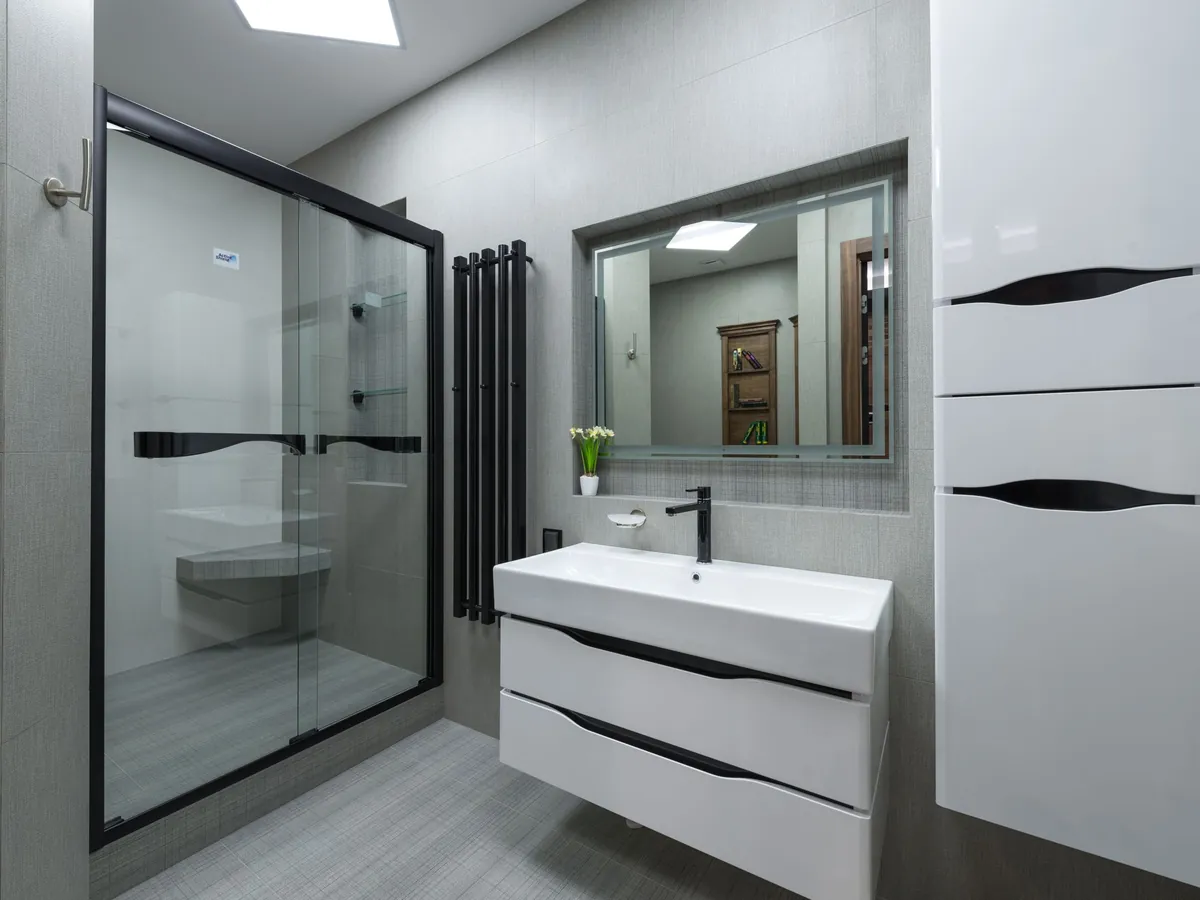
Bathroom Installation
Full bathroom and shower room fits, from first fix pipework and boarding to the last bead of sealant.
Questions
Drain Unblocking: questions people ask
My neighbour and I share a drain. Who pays to unblock it?
A drain that serves more than one property is generally the responsibility of the water company, not the householders, even when it runs through private gardens. If the blockage is in a section that only serves your house, it is yours to deal with. We can tell you which section the blockage is in once the chambers are lifted.
Are drain cleaning chemicals worth trying first?
For a slow basin, a strainer and cleaning the trap usually works better. On a fully blocked drain, chemicals sit in the standing water and rarely reach the blockage. They also make the job hazardous for whoever clears it. If you have already used some, please tell us before we start work.
Why do my sink and toilet gurgle?
Gurgling usually means air is being pulled through the water seal in a trap. This can be a partial blockage further down, or a problem with the ventilation of the soil stack, such as a blocked air admittance valve or vent pipe. It is worth checking before it turns into a full blockage.
Do I need a camera survey?
Not for a one-off blockage that clears easily and has an obvious cause, such as wipes. A survey is worth doing if the same drain keeps blocking, if you can smell drains outside, if there is subsidence near the pipe run, or if you are buying an older house and want to know the drain condition.
Will unblocking a drain make a mess inside my home?
We work from outside chambers wherever possible so waste is pushed away from the house rather than pulled through it. When we do work indoors, on a toilet or a sink, we lay dust sheets and protect flooring and clean down the fittings afterwards.
Quick Quote Online
Get a Quick Quote for drain unblocking
Tell us which sinks, toilets or gullies are affected, whether an outside manhole is full, and whether the drain is shared with neighbours.
- A written price before any work starts
- Plumbing, heating, drains and bathrooms from one place
- Birmingham and the towns around it